The Story
Why it exists.
The beginning
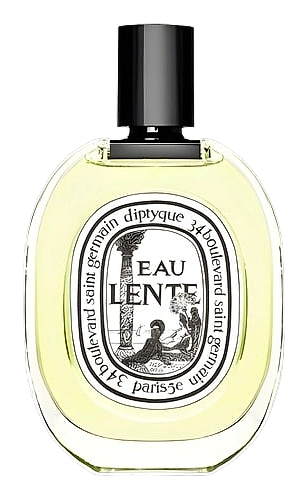
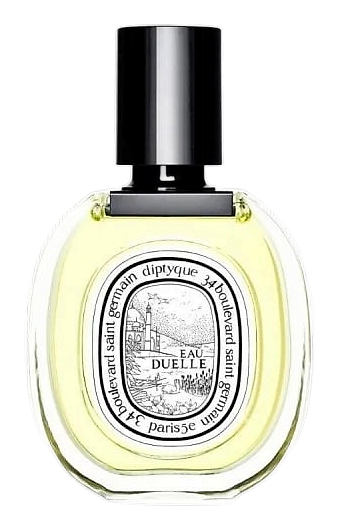
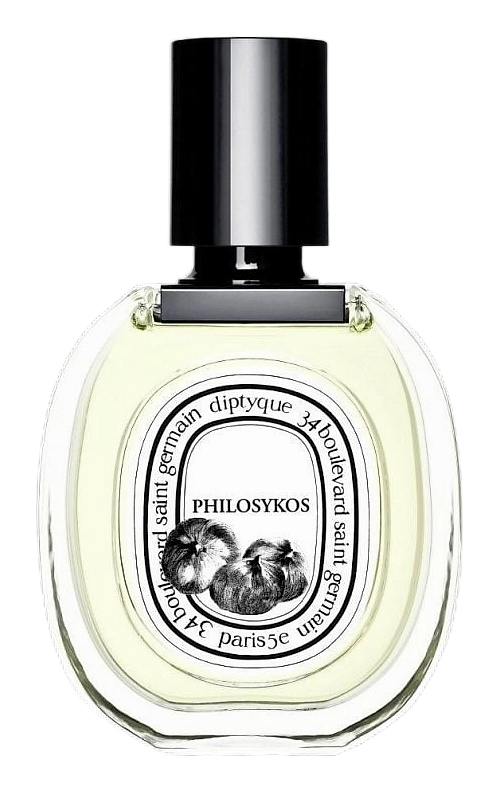
Eau Lente arrived in 1986 from the hands of Desmond Knox-Leet and Serge Kalouguine, two perfumers working within Diptyque's distinctly literary tradition. The house had built its reputation on scents that smelled like places rather than products, Philosykos as the entire fig tree, L'Eau as a 16th-century memory, and Eau Lente followed that logic into antiquity. The name itself, French for 'slow water,' hints at the fragrance's unhurried character: it doesn't announce itself so much as it reveals, layer by layer, like reading an inscription on an ancient column.
The opoponax at its heart is what makes this composition unusual. A resin that can't quite decide whether it wants to be a spice or a herb, it gives Eau Lente an aromatic instability, the drydown lurching between metallic clove sting and camphoraceous bay leaf warmth before settling into something rich and toffee-like. That ambivalence is the point. Diptyque captured not just a smell but the sensory confusion of an ancient marketplace, where spices burned in bronze basins, smoke curling through marble columns, the exact provenance of each ingredient lost to time.
The evolution
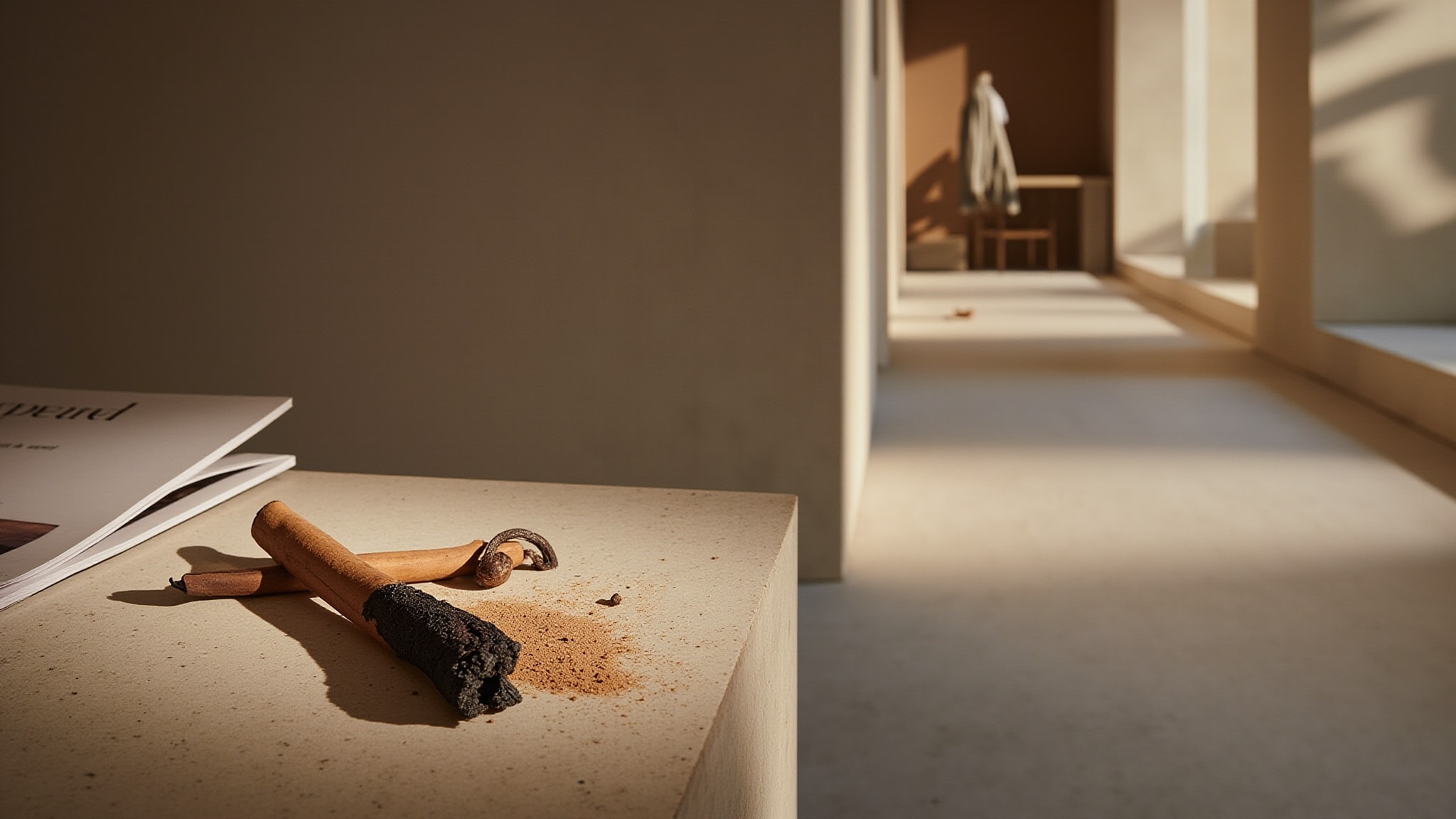
The opening announces itself without apology. Clove and cinnamon arrive together, not blended, but competing, the metallic sweat of clove pulling against woody cinnamon warmth. For the first fifteen minutes, it's almost medicinal. Almost harsh. Then the spiced notes begin to soften, finding their footing as the heart opens. The spices don't disappear, they broaden, becoming less sharp and more aromatic, like the moment a fire catches properly and stops crackling. This is when Eau Lente earns its name. The drydown belongs entirely to opoponax: sweet myrrh, slightly balsamic, with a powdery vanilla undertone that reviewers compare to Johnson & Johnson's baby powder, nostalgic, warm, close. It doesn't project far. But it lasts. Eight to ten hours on most skin, intimate and quiet, the kind of scent you'll catch on your wrist the next morning and wonder where it came from.
Cultural impact
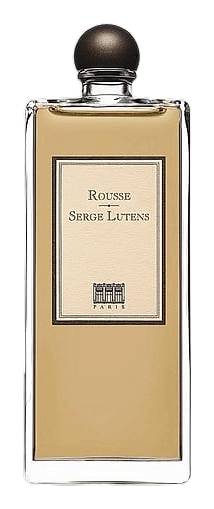
Eau Lente occupies an unusual position in the Diptyque catalog, a fragrance that divides opinion rather than building consensus. Its clove-forward opening has been compared to Imperial Opoponax by Les Néréides, Ligeia la Sirena by Carthusia, and Bengal Rouge by Papillon Perfumery, suggesting it set a template for resin-forward compositions that others have spent decades riffing on. Wearers describe it as the scent of someone who walks into a room and doesn't need to announce themselves, old-world confidence that doesn't argue for attention.

![[²he] Helium by One of those](/assets/static/bottle-09.BZirhQeh.png)