The Story
Why it exists.
The beginning
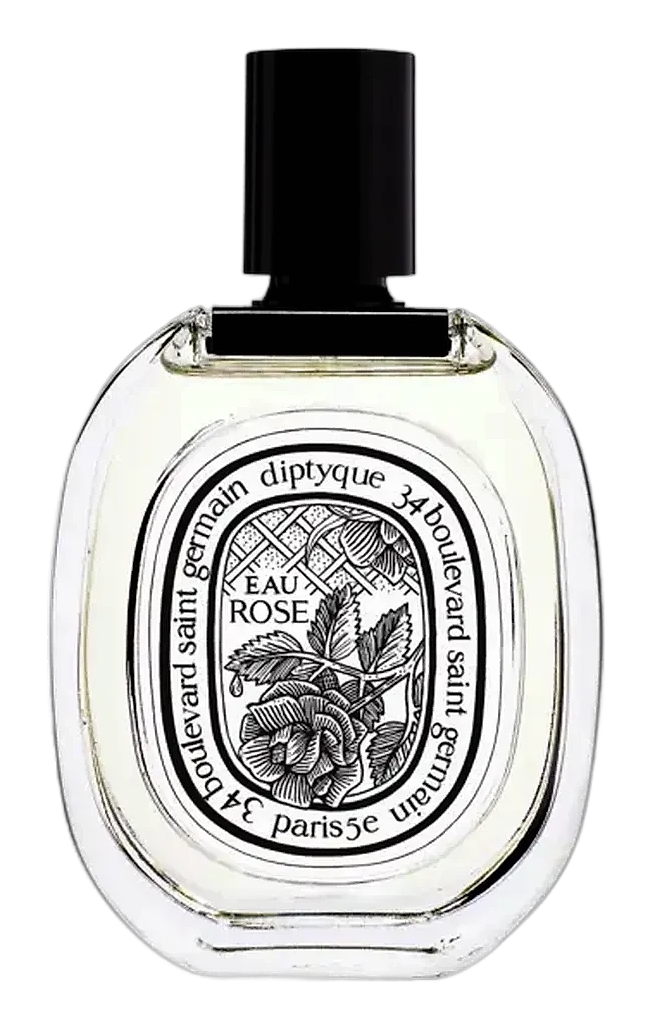
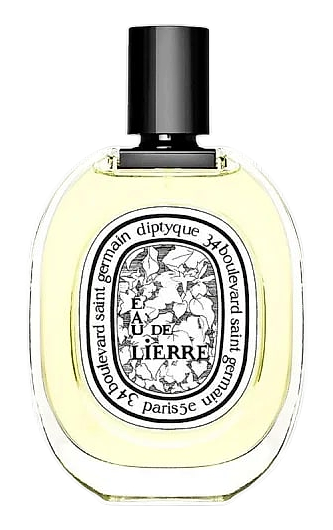
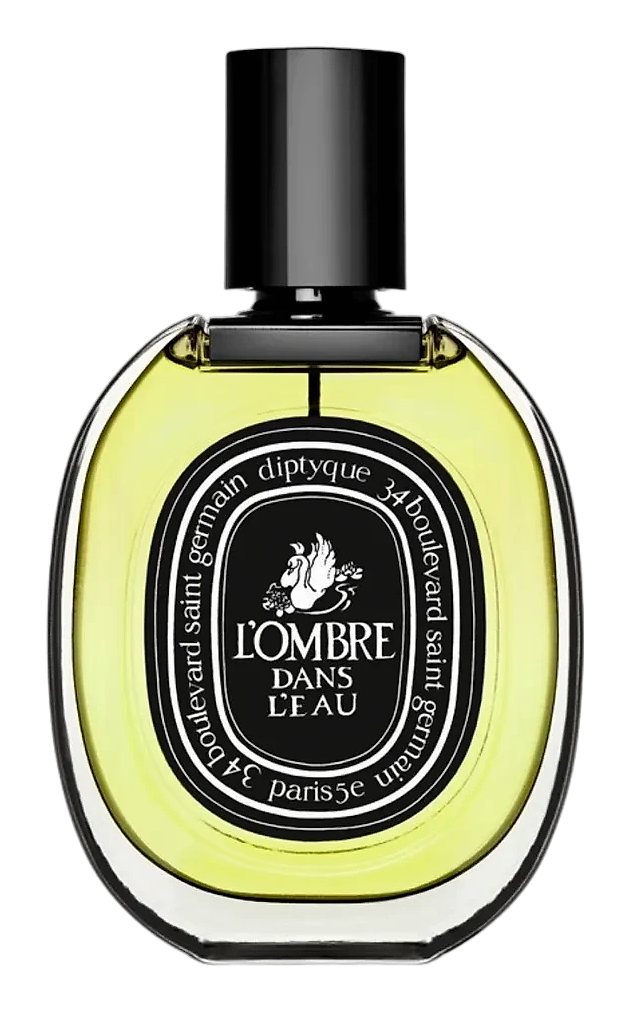
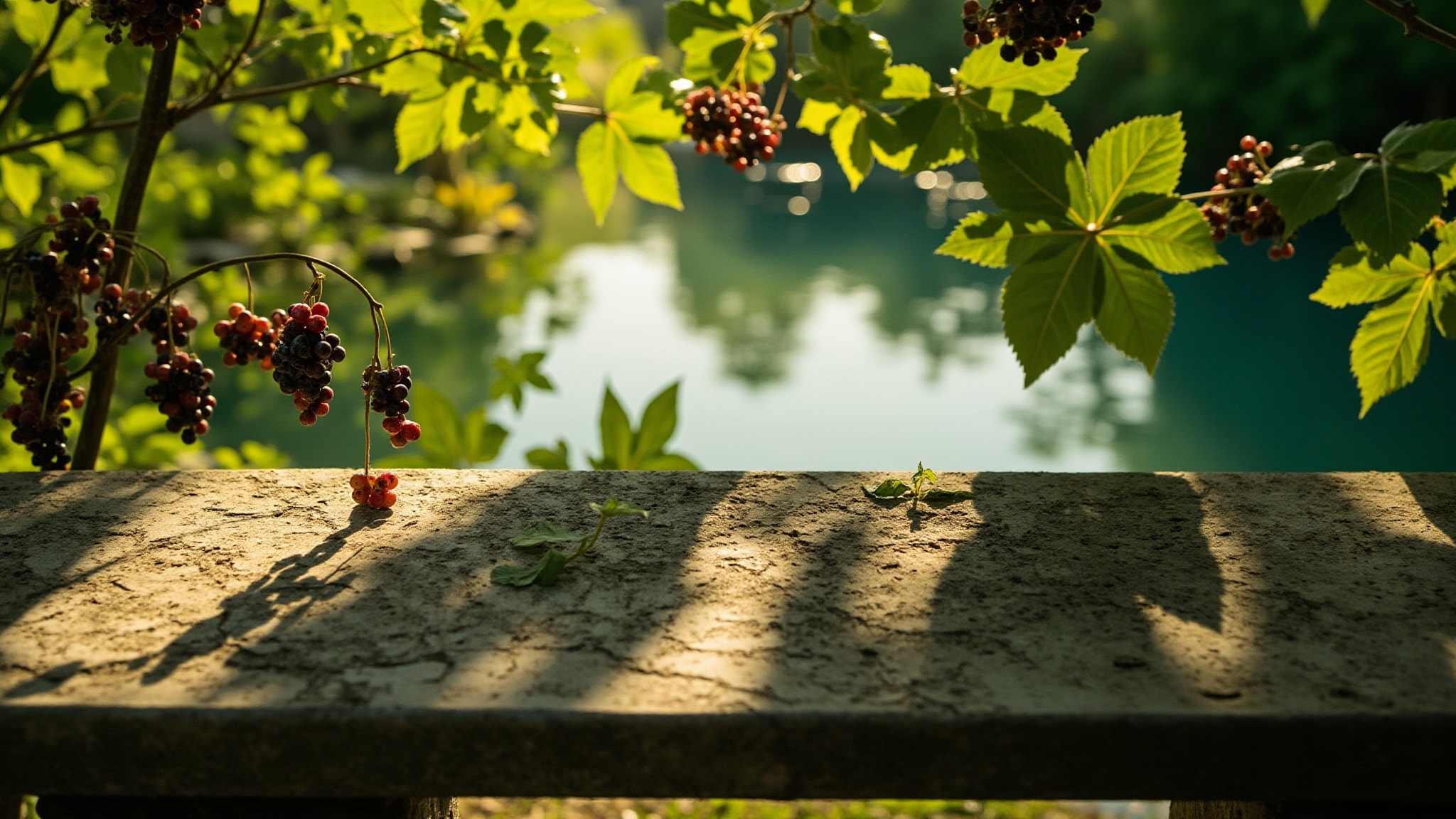
Desmond Knox Leet called it L'Ombre dans l'Eau, the shadow on the water. The name refers to a painting, not a place: a moment of stillness caught between reflection and light, green and dark. It fits the fragrance's intention perfectly. Knox Leet, one of Diptyque's three founding creatives, approached composition the way a painter approaches a canvas, working in layers, in tension, in light falling through leaves. The idea wasn't to bottle a garden. It was to bottle the feeling of being in one, at the hour when shadows lengthen and the air turns quiet. The brief, if there was one, was specific: green and floral, but not sweet. Fruity, but not soft. A rose that wouldn't apologize for being a rose. The blackcurrant, specifically the leaf and the bud, gave the fragrance its edge. Tart enough to cut through, green enough to feel alive, with an aromatic bitterness that keeps the sweetness honest.
What makes this composition unusual is the blackcurrant and rose pairing. In perfumery, blackcurrant typically appears as a supporting note, a fruity modifier, a berried depth. Here, it holds its own. The blackcurrant leaf delivers a tart, green, almost wine-like quality that is unmistakably distinctive. The blackcurrant bud adds a sharper, more bitter facet. Neither is trying to smell like dessert. The rose, meanwhile, behaves. It doesn't arrive all at once. It waits. What develops is not a rose that shouts but one that breathes, present, warm, slightly melancholic. The petitgrain, with its clean, woody bitterness, ties the whole composition together, preventing any single note from winning.
The evolution
The opening is the blackcurrant doing its work. Tart, leaf-green, almost sour enough to sting. The blackcurrant bud adds a sharper, more bitter edge, the kind of acidity that makes your mouth water. The rose isn't here yet. It's waiting. For the first hour, the green settles. The sharpness softens into something more herbal, more botanical. Petitgrain arrives quietly, adding an aromatic bitterness that grounds the composition. The rose begins to emerge, not as a statement but as a presence, a warmth underneath the green. By the second hour, the rose takes more space. The petals feel slightly darker, slightly more velvety. The blackcurrant retreats into the background, its tartness now a memory, a supporting character rather than the lead. The drydown is quiet: a chord of green and rose, still present but fading, intimate and close to the skin. The final hours smell like the garden after the rain stopped, green, damp, holding its secrets.
Cultural impact
The 2012 EDT launch brought a different interpretation of the original 1983 composition to a new audience, one that had grown up with Diptyque's candles and wanted a fragrance that matched the house's artistic sensibility. What hasn't changed is the composition's fundamental character: green, fruity, floral, and deliberately restrained. The blackcurrant-rose pairing remains unusual enough to attract attention without alienating mainstream sensibilities. It occupies a specific niche within the niche market: not as confrontational as some Diptyque offerings, not as safe as others. For those who want a fragrance that smells like it was made by a painter, this is one of the most accessible entry points.