
The Story
Why it exists.
The beginning
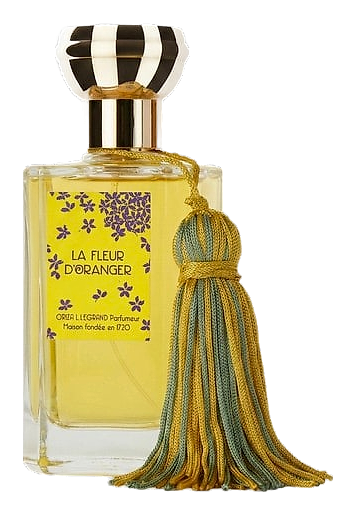
The name says everything. La Fleur d'Oranger, the flower of the orange tree, stripped of pretense, built around a single botanical obsession. In 1937, when this composition arrived, perfumers were still willing to let one idea run the entire length of a fragrance. No story to tell. Just the blossom, its green stem, the bitter oils in the peel, the honeyed nectar. The opening arrives crisp and luminous, orange blossom unfurling with a freshness that feels both immediate and timeless. There's a cleanness here that doesn't shout, it simply insists, the citrus brightness tempered by a green, almost leafy undertone that keeps everything grounded. It made no concessions to fashion. It made itself necessary instead.
What makes the pyramid unusual isn't the materials, orange blossom appears in enough classics to feel familiar. It's the repetition. The same flower holds the top, the heart, and the base, creating a vertical monoculture rather than the usual horizontal progression. Jasmine doesn't arrive to complicate things; it arrives to shade the orange blossom, give it a slightly nocturnal quality it wouldn't have alone. Lemon cuts through the sweetness like morning. The result is a fragrance that behaves like a single sustained note rather than a composition, patient, unwavering, with no interest in surprise.
The evolution
It opens cool and clean, orange blossom's bitter edge meeting jasmine's white heat, lemon lifting everything like a window cracked in an old library. Thirty minutes in, the green arrives. Not a note so much as a temperature, the cool damp of petals that haven't warmed yet in the sun. This phase lasts. The heart doesn't so much develop as deepen, the orange blossom growing sweeter as the lemon fades, settling into something that smells like late morning in a garden, not the first hour. By hour three, the drydown arrives: a warm, quiet thing. The jasmine has taken over, but gently. Sweet orange gives it something to rest against. Worn into a second application, it layers with itself in a way that suggests someone who simply always smells like this, never explaining, never performing. The sillage stays close to the skin throughout wear, a quiet signature rather than a statement.
Cultural impact
La Fleur d'Oranger occupies a specific position in the fragrance landscape: the classical orange blossom soliflore, neither reinterpreted nor reinvented. It belongs to a tradition of French colognes that emphasize clarity and restraint. For wearers who find modern florals overcomplicated, this composition offers something increasingly rare: a single idea, executed without apology. The scent opens with a crisp, clean citrus that feels both timeless and fresh, cutting through the noise of more elaborate modern fragrances.