The Story
Why it exists.
The beginning
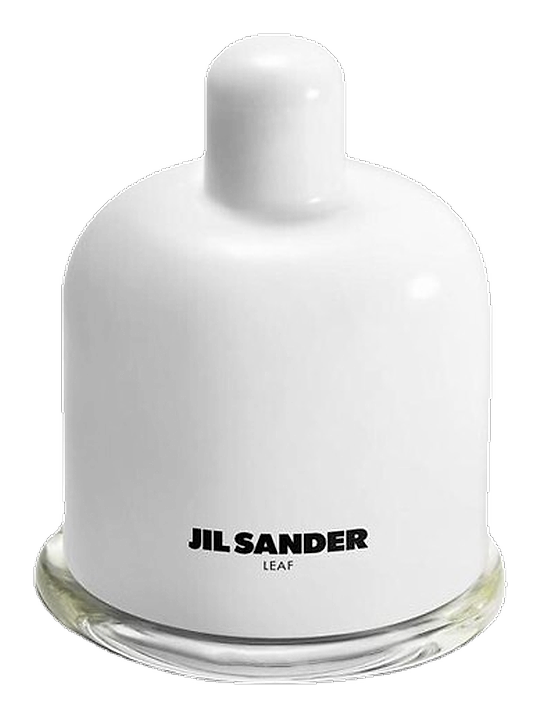
The Olfactory Series 1 was built on a single premise: strip fragrance to its essential form and see what remains. Six unisex formulas, each using aldehydes as structural scaffolding and a handful of natural materials as the content. Julie Massé worked with key lime and cardamom, among other materials. The aldehydes weren't decoration. They were the frame that held everything else in place. Cornmint rounds the composition with a sweet, aromatic presence that keeps the green from becoming purely herbaceous. What emerged was a fragrance that smells like a tomato plant: fruit and leaves together, green and unexpected, the kind of scent that arrives without warning.
The CO2 extraction method for the cardamom is worth pausing on. It captures more of the plant's aromatic complexity than standard distillation, closer to what you'd smell crushing the pod between your fingers. That depth shows up as a warm, slightly spiced quality in the heart that prevents the composition from feeling one-dimensional. The aldehydes are doing something similar at the structural level: they cut across the natural ingredients and create unexpected volumes. Key lime sparkles brighter than it would alone. Cornmint reads as sweet rather than sharp. The result is a green that feels fresh and alive rather than medicinal or synthetic, despite the aldehydic backbone.
The evolution
The aldehydes hit first. That clean, bright spark, citrus and something metallic, the kind of opening that announces itself and then settles. The green tomato leaf note arrives quickly after, and it's unmistakable: natural, slightly sweet, herbaceous without being raw. The mint adds a dimension that keeps it from being purely green, a softness, a chewiness that some wearers compare to the breath after spearmint gum. The cardamom deepens as the top notes fade, introducing warmth and a gentle spice that lifts the composition into something more complex. The mint doesn't disappear. It sweetens, flattens slightly, becomes part of the base rather than the foreground. What remains at the end is a quiet green transparency, close to the skin, intimate, lingering well into the evening. The kind of presence that stays with you rather than announcing itself to the room.
Cultural impact
Leaf occupies an interesting position in the 2025 fragrance landscape: it refuses to be subtle about being green, while maintaining the house's signature transparency. The aldehydic structure gives it an edge that makes it feel modern rather than nostalgic. The green tomato leaf accord is recognizable without being gimmicky, and the mint stays sweet rather than medicinal. It's the kind of fragrance that invites conversation about what fresh actually means. The technical precision of the aldehydes prevents the scent from slipping into nostalgia, grounding it firmly in contemporary perfumery while honoring the natural materials that define it.