
























Heritage
A house, in its own words
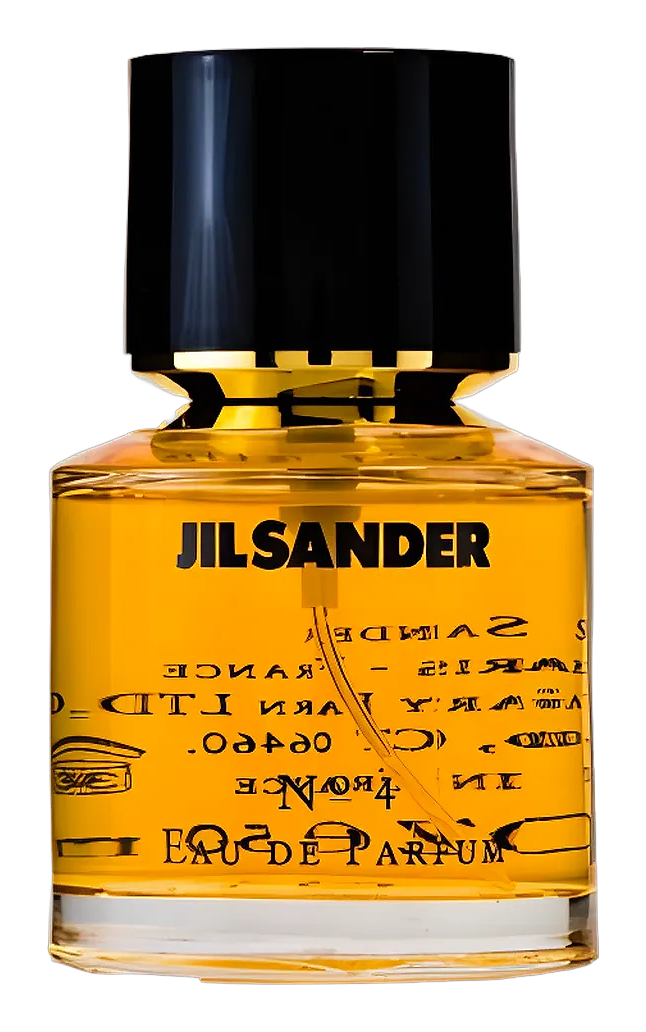
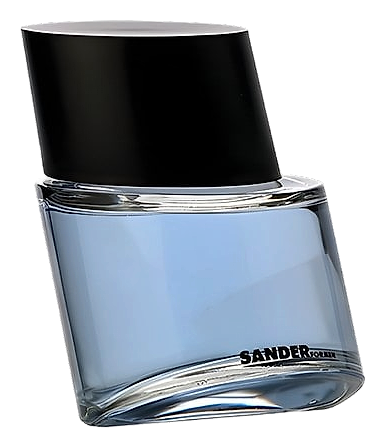
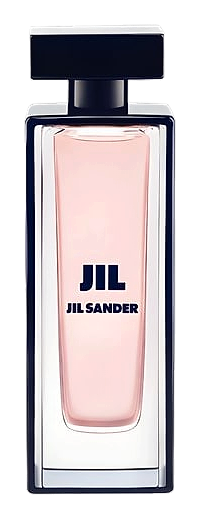
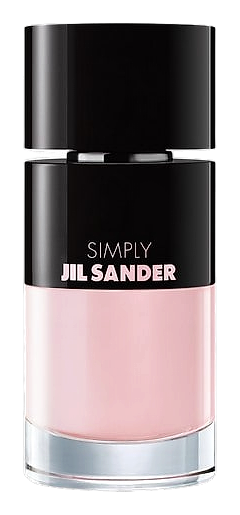
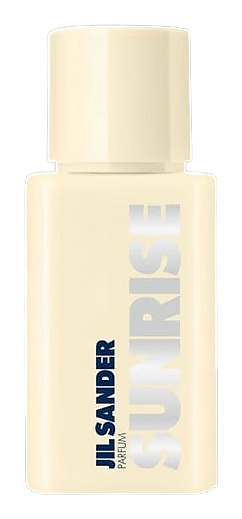
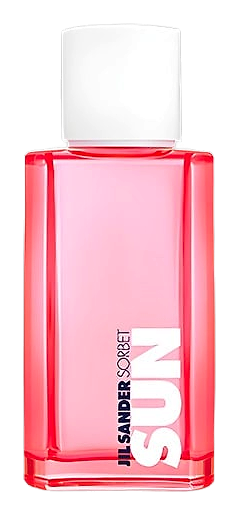
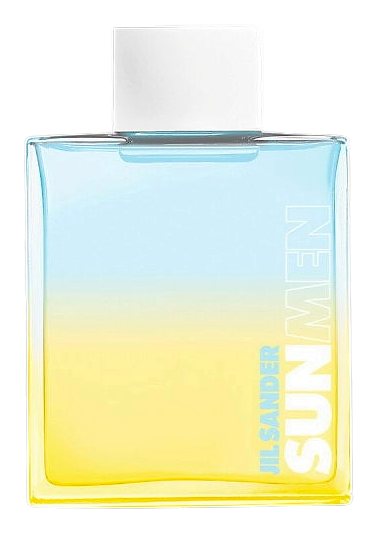
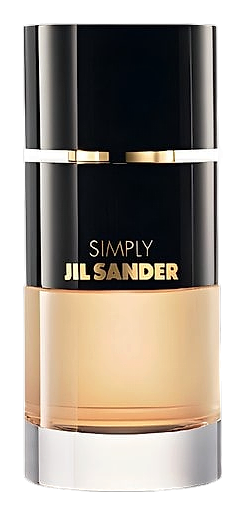
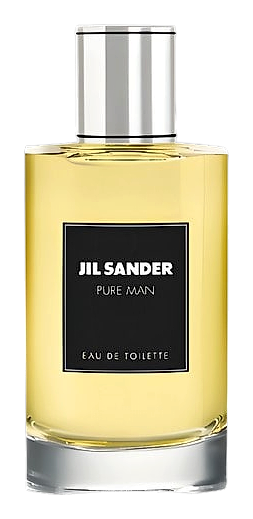
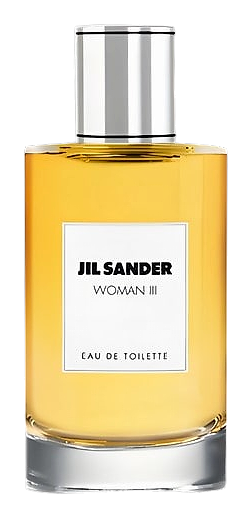
Heidemarie Jiline Sander opened her first studio in Hamburg in 1968, naming the label after her own nickname. Three years later she presented her inaugural women’s collection, a series of sharply cut garments that quickly earned a reputation for precision. By 1975 she staged a Paris debut, an effort that met mixed reception but signaled the brand’s ambition to compete on the international stage. The 1980s marked the house’s entry into perfumery; the first scent, Jil Sander Man I (also known as Man Pure), arrived in 1981 and was followed by Man II in 1982 and Woman II in 1983. These early fragrances carried the same pared‑down ethos as the clothing, using a limited palette of notes to create a clean, unobtrusive aura. In 1989 the line expanded with Feeling Man, a scent that introduced a subtle warmth while retaining the brand’s signature restraint. Background, launched in 1993, continued the trend with a focus on airy, woody accords. The turn of the millennium saw a resurgence of interest, prompting the release of Style Summer in 2008 and the more intense Man Absolute the same year. A decade later Sunrise arrived, offering a bright, citrus‑driven composition that echoed the brand’s evolving yet consistent visual language. The most recent addition, Sun Men Parfum (2021), blends aromatic herbs with a refined amber base, underscoring Jil Sander’s commitment to timeless elegance. Throughout its history the house moved its headquarters from Hamburg to Milan, aligning its fashion operations with Italy’s design hub while preserving the German founder’s minimalist DNA. Today the brand remains a reference point for designers who value restraint over excess, and its fragrance collection continues to reflect that philosophy across more than four decades. Jil Sander treats scent as an extension of its design code, favoring purity of form over ornamental complexity. The creative team selects ingredients that can stand alone, allowing each note to breathe without competing for attention. This approach mirrors the label’s architectural tailoring, where every seam serves a purpose. In developing a new fragrance the house first defines a conceptual mood—often a single word such as "clarity" or "light"—and then works with perfumers to translate that idea into a balanced olfactory structure. The brand avoids trend‑driven gimmicks, instead opting for timeless compositions that age gracefully on the skin. Sustainability has become a guiding principle; recent releases incorporate responsibly sourced raw materials and recyclable packaging, reflecting a broader commitment to ethical production. By aligning fragrance with its broader aesthetic values, Jil Sander creates scents that act as quiet accessories, complementing the wearer’s style without overwhelming it.