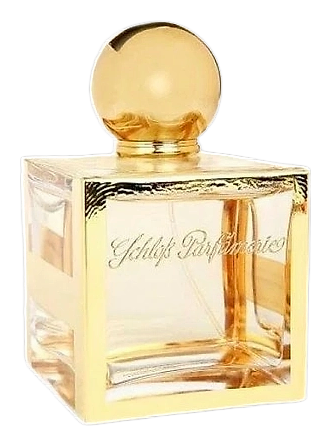










    Brand Profile

    Schlossparfumerie is a niche fragrance house that blends German precision with a love of classic perfume structures. Founded in the early 20…More

    Germany·Est. 2002·Site

    5.0

    Rating

    23
    H - 100 Jubilee by Schlossparfumerie
    Best Seller
    5.0

    H - 100 Jubilee

    Gardenia by Schlossparfumerie
    Best Seller
    4.5

    Gardenia

    Pour la Belle by Schlossparfumerie
    Best Seller
    4.5

    Pour la Belle

    C - 100 Jubilee by Schlossparfumerie
    4.5

    C - 100 Jubilee

    Belle du Sud by Schlossparfumerie
    4.5

    Belle du Sud

    L'Esprit Vert by Schlossparfumerie
    4.5

    L'Esprit Vert

    Pyramid by Schlossparfumerie
    4.2

    Pyramid

    La Vida Loca by Schlossparfumerie
    3.8

    La Vida Loca

    Kuvvet Mira by Schlossparfumerie
    3.8

    Kuvvet Mira

    P - 100 Jubilee by Schlossparfumerie
    3.8

    P - 100 Jubilee

    Ebonite by Schlossparfumerie
    2.5

    Ebonite

    Bruyere by Schlossparfumerie

    Bruyere

    1 of 2

    The Heritage

    The Story of Schlossparfumerie

    Schlossparfumerie is a niche fragrance house that blends German precision with a love of classic perfume structures. Founded in the early 2000s, the brand offers a compact catalogue that includes scents such as H‑100 Jubilee (2014), Belle du Sud (2006) and Pyramid (2003). Each fragrance arrives in a minimalist bottle that emphasizes clarity over flash, inviting collectors to explore nuanced compositions without the clutter of overt marketing. The house positions itself as a laboratory for scent experiments, favoring balanced accords that reveal themselves over time.

    Heritage

    The story of Schlossparfumerie begins in 2002 when a group of German entrepreneurs, led by Michael J., decided to create a perfume house that would honor the country’s tradition of meticulous craftsmanship while remaining open to global influences. The founders chose the name Schloss, meaning "castle," to evoke a sense of timeless shelter for olfactory art. Their first release, Pyramid, arrived in 2003 and quickly attracted attention for its structured blend of citrus, green notes and a dry, woody base. In 2006 the brand expanded its palette with Belle du Sud and Gardenia, two fragrances that demonstrated a willingness to explore floral richness without sacrificing the clean lines that defined the earlier work. The following year, Schlossparfumerie introduced Pour la Belle and La Vida Loca, both of which incorporated exotic spices and warm amber, signaling a shift toward more adventurous storytelling. 2013 saw the launch of Kuvvet Mira, a scent built around rare Turkish rose and a hint of oud, reflecting the house’s growing interest in sourcing ingredients from distinct cultural regions. The 2014 release of H‑100 Jubilee marked a milestone: the fragrance celebrated the Italian Renaissance with a burst of citrus and green notes, and it remains one of the most cited examples of the brand’s ability to translate historical themes into modern perfume language. Throughout its first two decades, Schlossparfumerie has maintained a small‑batch production model, allowing the team to retain control over ingredient quality and to respond quickly to market feedback. In 2020 the house partnered with the German Museum of Applied Arts to host a series of scent workshops, reinforcing its commitment to education and cultural exchange. Today, Schlossparfumerie continues to operate from its Berlin workshop, where each new fragrance is formulated, tested, and bottled by a core team that values consistency, transparency, and a quiet confidence in the power of scent.

    Craftsmanship

    Every Schlossparfumerie fragrance begins with a selection of raw materials that meet strict quality criteria. The house works directly with growers in regions such as Grasse, Tuscany and the Aegean, securing small lots of essential oils that retain their original character. Once the ingredients arrive at the Berlin workshop, a master perfumer evaluates each batch for aroma fidelity before approving it for formulation. The blending process follows a small‑batch protocol: the team measures each component by weight, mixes them in stainless‑steel vessels, and allows the mixture to macerate for a period that ranges from two weeks to three months, depending on the scent’s complexity. During maceration, the perfume is stored in temperature‑controlled rooms that mimic natural seasonal cycles, a practice that helps the accords integrate smoothly. After the resting period, the blend undergoes a series of stability tests, including exposure to light, heat and humidity, to ensure that the fragrance maintains its integrity over time. The final product is filtered through a fine membrane to remove any particulate matter, then transferred into hand‑blown glass bottles that the brand sources from a German glassworks known for its low‑iron composition, which preserves color clarity. Each bottle receives a hand‑applied label and a wax seal, reinforcing the house’s commitment to tactile quality. Quality control staff perform a blind olfactory assessment on every batch before release, comparing it against the original fragrance brief to confirm that the intended scent profile remains intact. This meticulous approach allows Schlossparfumerie to produce perfumes that are both consistent and expressive, with a focus on longevity and skin‑friendly performance.

    Design Language

    The visual language of Schlossparfumerie mirrors its olfactory restraint. Bottles feature clean, rectangular silhouettes with minimal embossing, allowing the perfume’s color to become the primary visual cue. The glass is often a pale amber or clear hue, reflecting the natural tone of the fragrance’s key ingredients. Caps are machined from brushed aluminum or matte black metal, providing a subtle contrast that feels both modern and timeless. Labels consist of a simple sans‑serif typeface printed on matte white paper, with the fragrance name and year placed in a discreet corner. This understated design extends to the brand’s packaging: outer boxes are crafted from recycled kraft paper, stamped with a single line drawing of a castle silhouette, a nod to the name Schloss. Inside, the fragrance sits on a thin layer of recycled tissue, and a small card explains the scent’s inspiration and ingredient origins. The overall aesthetic avoids overt branding, instead inviting the consumer to focus on the scent itself. In retail settings, Schlossparfumerie displays its bottles on reclaimed wood plinths, illuminated by soft, warm lighting that highlights the glass without creating glare. The brand’s visual identity has been praised in design blogs for its balance of heritage references and contemporary minimalism, reinforcing the house’s philosophy of quiet confidence.

    Philosophy

    Schlossparfumerie approaches perfumery as a dialogue between tradition and curiosity. The brand believes that a fragrance should tell a story without shouting, and that clarity of intention matters more than flash. It values sustainable sourcing, preferring raw materials that are harvested with respect for local ecosystems. The house also prioritizes transparency: each perfume’s ingredient list is published on the website, and the team offers detailed notes on the creative process. Rather than chasing trends, Schlossparfumerie lets the character of each raw material guide the composition, allowing natural nuances to shape the final accord. The brand’s creative vision rests on three pillars: authenticity, balance, and discovery. Authenticity means honoring the heritage of each ingredient, whether it is a Tuscan citrus or a Turkish rose. Balance refers to the careful calibration of top, middle and base notes so that a scent evolves gracefully on the skin. Discovery encourages the team to experiment with lesser‑known essences, such as rare woods from the Balkans or micro‑distilled absolutes from Madagascar. This philosophy translates into a portfolio that feels both familiar and fresh, inviting wearers to revisit each fragrance over years and notice new facets each time.

    Key Milestones

    2002

    Schlossparfumerie is founded in Berlin by Michael J. and a group of fragrance enthusiasts.

    2003

    Launch of Pyramid, the house’s first fragrance, showcasing a structured citrus‑green‑woody accord.

    2006

    Release of Belle du Sud and Gardenia, expanding the portfolio into floral territory.

    2007

    Pour la Belle and La Vida Loca debut, introducing warm spice and amber notes.

    2013

    Kuvvet Mira arrives, featuring Turkish rose and oud sourced from sustainable farms.

    2014

    H‑100 Jubilee celebrates the Italian Renaissance with explosive citrus and green notes.

    At a Glance

    Brand profile snapshot

    Origin

    Germany

    Founded

    2002

    Heritage

    24

    Years active

    Collection

    1

    Fragrances released

    Avg Rating

    5.0

    Community sentiment

    Release Rhythm

    2015
    5
    2014
    6
    2013
    1
    2010
    1
    2007
    3
    2006
    2
    2005
    2
    2003
    1
    schlossparfumerie.com

    Did You Know?

    Interesting Facts

    Distinctive details and defining moments that shape the house personality.

    01

    The brand’s name, Schloss, translates to "castle" in German, reflecting the founders’ desire to create a fortified space for scent experimentation.

    02

    Schlossparfumerie sources a portion of its citrus oils from a family‑owned grove in Sicily that has been in operation since the 19th century.

    03

    Each fragrance is hand‑bottled by a team of no more than ten artisans, allowing the house to maintain tight quality control.

    04

    The company maintains an archive of over 150 vintage perfume extracts, some dating back to the early 1900s, which it uses for research and inspiration.

    The Artisans

    The Perfumers