The Story
Why it exists.
The beginning
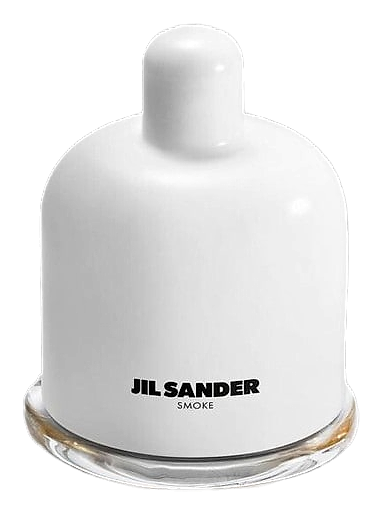
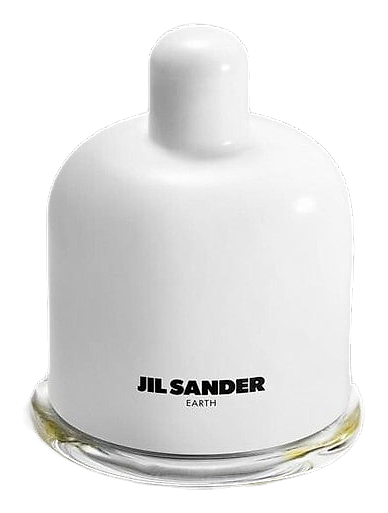
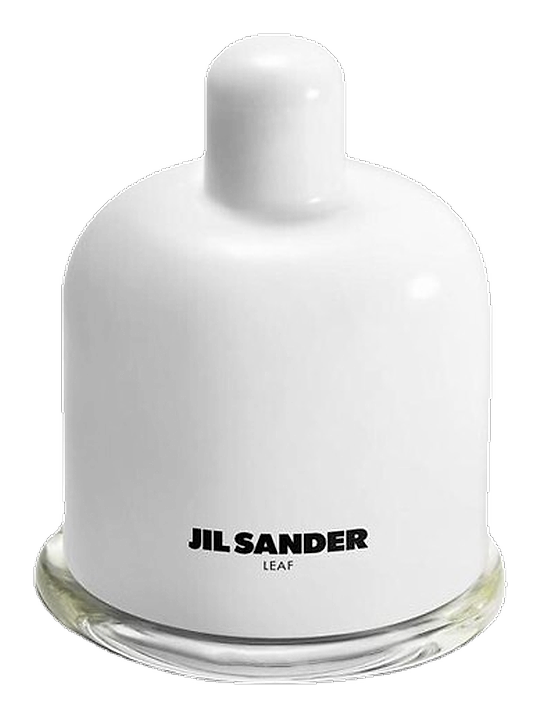
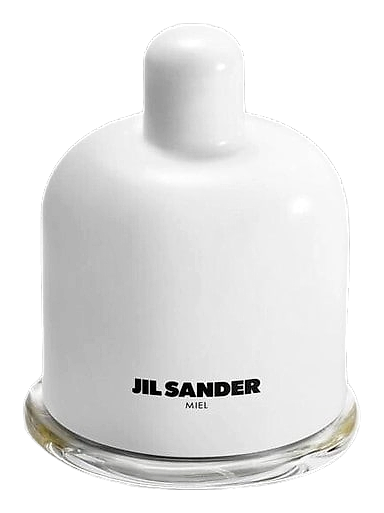
Jil Sander's Olfactory Series 1 began as a question: what happens when you cut botanical ingredients with aldehydes? Not a trend answer. A structural one. The collection launched in 2025 as the house's first unified fragrance line, six unisex formulas built on the same premise, each one a different expression of the same tension. Mathilde Bijaoui was given Miel, named for honey. The assignment was clear: take the idea of honey, its warmth, its depth, its slight animalic edge, and see what happens when aldehydes get involved. The result is a fragrance that doesn't smell like a honey-scented candle or a gourmet body lotion. It smells like the substance itself, translated through the language of restraint.
The note pyramid here is almost aggressively simple, one note per tier, which forces each element to carry real weight. Aldehydes open the composition, not as a nod to vintage perfumery but as an actual structural choice. They lift the jasmine, prevent the honey from ever settling into something heavy, and keep the whole thing moving. The honey itself is buckwheat, darker, more nuanced than the clover you'd find in most honey-forward fragrances. Cedarwood and Madagascan vetiver form the base, with the vetiver doing most of the heavy lifting in the drydown. What's interesting is that the aldehydes don't disappear after the opening.
The evolution
The first twenty minutes are all about the aldehydes. They hit sharp, effervescent, almost surgical, a quality that either hooks you immediately or makes you reconsider. Underneath, the jasmine reads green and slightly indolic, not the heady white floral you'd expect. Then the honey arrives. Not sweet. More like warm amber with texture, the kind that catches rather than slides. Cedar and vetiver start integrating around the thirty-minute mark, bringing a woody warmth that keeps the aldehydes from fully dissipating. By the second hour, the aldehydes have stepped back but not left. They're still there, keeping everything clean and vertical while the honey-vetiver combination takes over. The drydown is where this fragrance earns its reputation. Lasting eight to ten hours on most skin, it settles into a warm, slightly animalic honey-vetiver that stays close but persists. On dry skin especially, the honey can read almost indolic, a tell that some find fascinating and others find polarizing. But it's not a flaw. It's the realness of the material asserting itself.
Cultural impact
Miel represents Jil Sander's deliberate pivot away from the house's signature clean and aquatic identity toward something warmer and more textured. The 2025 Olfactory Series 1 launch marked the brand's first coordinated fragrance release, introducing six unisex formulas built on aldehydes and botanical ingredients as a unified collection. This approach signals a strategic shift, rather than releasing standalone flankers or limited editions, the house committed to a cohesive olfactory statement. Miel specifically addresses the aldehyde genre, which has seen renewed interest in niche perfumery but remains underrepresented in mainstream releases.