The Story
Why it exists.
The beginning
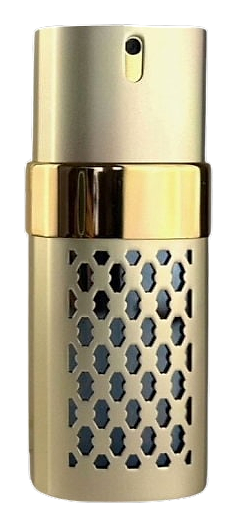
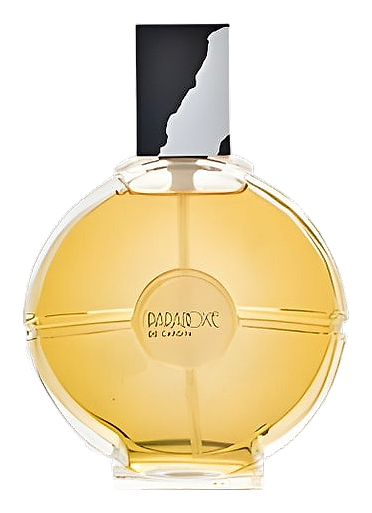
Raymond Chaillan and Robert Gonnon built Paradoxe in 1983 with a single intention: make a chypre that didn't apologize for its structure. The bottle, designed by Serge Mansau, reflected that philosophy, clean lines, architectural form, nothing decorative for its own sake. The name said it all. Paradoxe wasn't a contradiction. It was a commitment. In a decade that would soon pivot toward gourmand sweetness and aquatic freshness, this fragrance planted itself firmly in the chypre tradition. Leather, oakmoss, incense, musk, the materials that had defined French perfumery for decades. But the doses were deliberate. The citrus opened sharp. The florals arrived lush. The base held its ground. The perfumers weren't interested in safe. They were interested in correct.
The leather is the tell. Not bright leather, not clean leather, dark leather, the kind that has texture and history. Woven into the oakmoss and musk, it doesn't announce itself in the opening. It arrives in the drydown and stays. That's the architectural decision that separates Paradoxe from other florals in the lineup. Chaillan and Gonnon chose to build around oakmoss and leather in 1983, when the note was already being phased out of newer compositions for regulatory reasons. They didn't treat it as a base note support. They treated it as the load-bearing wall. The result is a fragrance with weight, something that doesn't dissolve into skin-warm abstraction but holds its shape for hours.
The evolution
The opening announces itself immediately. Citrus, bright and sharp, the bergamot cutting through like a blade. The mandarin adds a fleeting sweetness, the Amalfi lemon brings the acid. Then the florals arrive, within the first hour, and the citrus begins to recede. The heart is where Paradoxe earns its complexity. Hyacinth adds a green, dewy quality. Ylang-ylang brings its creamy tropical richness. Jasmine fills the middle with lush floral weight. But the iris root, earthy, powdery, slightly bitter, keeps the florals from floating away. The tuberose threatens to overpower in heat. Here, it stays contained, its creaminess balanced by the earthiness beneath. The drydown is where the architecture reveals itself. The leather doesn't ask permission. It arrives raw, textured, woven into the oakmoss and musk. The incense smoke curls close to the skin, not projecting, just lingering. The amber binds everything together, warm and resinous. The citrus is gone. The florals are nearly silent. But the leather, smoke, and musk persist for 8-10 hours.
Cultural impact
Paradoxe is a bold, opinionated fragrance that divides opinion but commands attention. In the context of Pierre Cardin's house, a brand known for space-age fashion and architectural perfume bottles, this chypre-leathery composition reads as the elegant, structured alternative to the brand's more playful offerings. It hasn't been reformulated into oblivion. It holds its ground.