
The Story
Why it exists.
The beginning
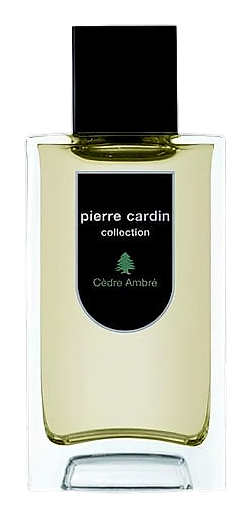
Pierre Cardin built a fashion empire on forward motion, bubble dresses, space-age silhouettes, structures that looked like they'd landed from another decade. By 2009, the brand had accumulated over forty fragrances, each trying to translate that geometric confidence into scent. Cedre-Ambre came from Olivier Cresp at Firmenich, working from a simple brief: give a man a woody-spicy composition that matches different moods. The Cardin Collection framed its EDT lineup around the idea that a man doesn't wear one scent, he wears the one that fits the moment. Cedre-Ambre was designed for the warmer end of that range: the confident hour, not the nervous one.
What separates this from the dozen other woody-spicy releases of that era is the cedar-to-benzoin architecture. The top doesn't pretend to be anything other than a bridge, nutmeg and cardamom arrive quickly, warm without heat, and hand off to a heart where amber and coriander do the actual work. The coriander is the tell: herbal, slightly savory, it keeps the sweetness honest. Geranium adds green depth that most people miss entirely. By the time the base arrives, the structure is already set: cedar and cypress carry the drydown, benzoin sweetens the tail. Nothing revolutionary. But the sequencing is precise, and precision is what Cardin was built on.
The evolution
The opening hits within seconds. Nutmeg and cardamom arrive together, warm and dry, while the Amalfi lemon reads more as lift than brightness, a suggestion of citrus rather than a statement of it. This phase holds for roughly thirty minutes before the amber takes over and shifts the character entirely. The heart is where most EDT compositions lose people, but here the coriander and geranium do something unexpected: they keep the warmth honest. No sweetness without something to argue against it. Three hours in, the drydown arrives and the cedar announces itself cleanly, Atlas cedar, dry and almost mineral, with cypress adding structure underneath. The benzoin is the final note: sweet, slightly powdery, close to skin. On fabric, this one lingers overnight. On skin that runs warm, expect the full six-hour arc.
Cultural impact
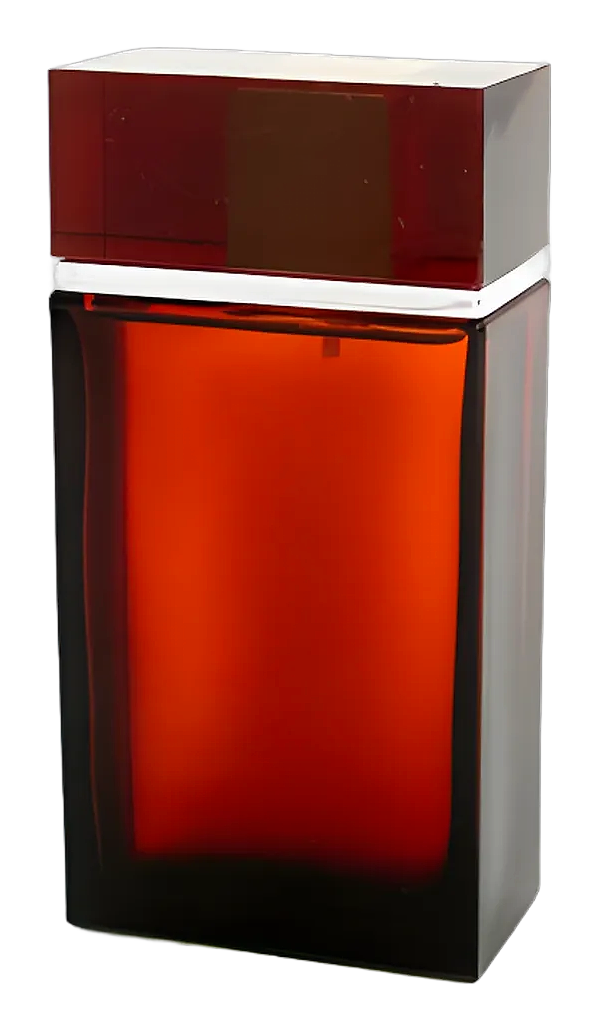
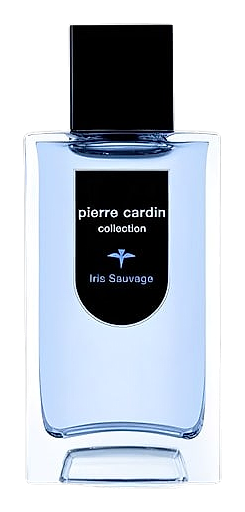
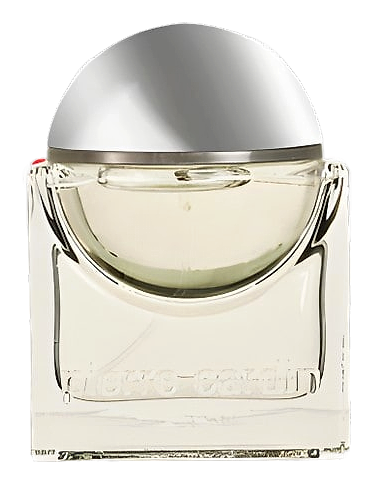
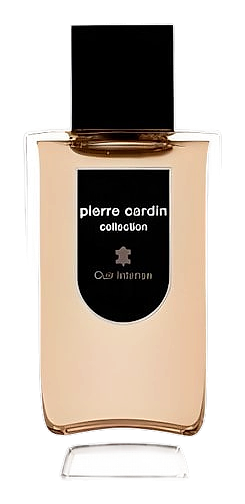
Cedre-Ambre launched in 2009 as part of a Pierre Cardin collection that included Iris Sauvage and Cuir Intense, positioned as mood-based fragrances in transparent glass bottles with black stoppers. Cresp's involvement, the most credentialed perfumer of the three, set this one apart from its siblings. The composition follows a clear linear structure that was familiar territory for masculine EDT releases of that era, though the coriander-geranium heart adds a complexity that separates it from straightforward woody fare.
The House
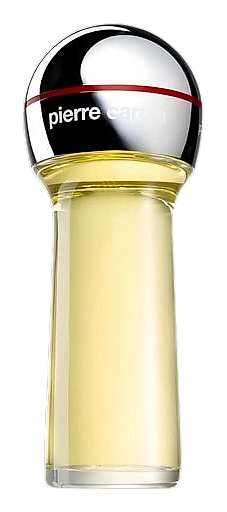
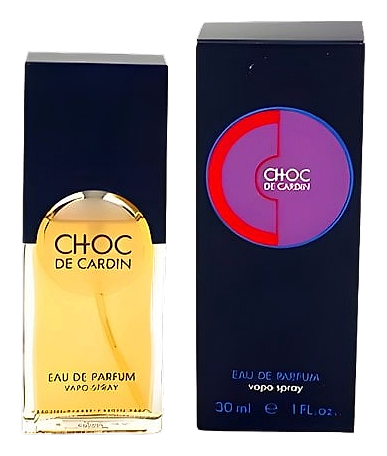
Pierre CardinPierre Cardin translates the designer's avant‑garde spirit into a fragrance portfolio that balances modernity with classic French perfume tradition. Since the early 1970s the house has offered a steady stream of scents for both men and women, each anchored by a distinctive bottle and a clear scent architecture. The line includes iconic releases such as Pour Monsieur (1972), Cardin for Women (1976), Choc de Cardin Eau Tonique (1990) and Innovation (2013). Today the brand presents more than forty fragrances, each positioned as an extension of Cardin’s geometric, space‑age aesthetic and his belief that style should be both daring and wearable.
The Creator
Olivier CrespCresp's signature style often features a blend of fresh, clean notes with warm, comforting accords. He's known for his masterful use of fruit notes, particularly fig and berries, which he often combines with florals and musks to create scents that are both inviting and sophist…