
The Story
Why it exists.
The beginning
Françoise Caron built Rose by Cardin in 1990. The chypre structure, aldehydes, florals, patchouli, and a woody base gave her the architecture. The rose gave it the name. What emerged was a fragrance that wore its confidence without needing to announce it. This wasn't a delicate floral. This was a statement dressed as a rose. The boldness was there from the start, woven into the structure itself, and it remains evident in every layer of the composition.
The note structure is textbook chypre but executed with real conviction. Aldehydes open the composition and lift the florals, giving the rose an almost effervescent quality at the top before the heart fully arrives. The carnation and cardamom in the heart add warmth without sweetness, a subtle spiciness that keeps the rose from reading as ornamental. The base is where the 1990s date becomes apparent in the best way: patchouli and incense dominate the drydown, a combination that takes confidence.
The evolution
The aldehydes hit first, fizzy, bright, almost metallic. They clear the path for the rose, and the coriander and rosewood are already underneath, adding a woody-spicy warmth that stops the opening from being purely floral. The heart arrives: carnation's peppery edge weaves through the rose, ylang-ylang adds a creamy tropical lift, and jasmine keeps the florals grouped rather than scattered. Lily of the valley is subtle, almost a whisper at the edges. Then the base takes over, patchouli dominates, dark and earthy, with incense adding a smoky-resinous edge. Sandalwood and amber arrive to soften the landing. The fragrance settles into patchouli as the primary note, with amber adding a faint warmth underneath. The rose fades but remains present, evolving into something more abstract, a ghost of itself but still there.
Cultural impact
Rose by Cardin occupies a specific corner of fragrance culture, the bold, aldehydic chypre that defined 1980s and early 1990s women's fragrance. Wearers describe it as the scent of someone who walks into a room and doesn't need to announce themselves. It's a fragrance that is woody, spicy, patchouli-forward, with a rose that refuses to be decorative. The aldehydes give it a lift that many florals lack, and the patchouli in the base adds a depth that modern compositions often avoid. It's not for everyone, but for those who love it, it's irreplaceable.
The House
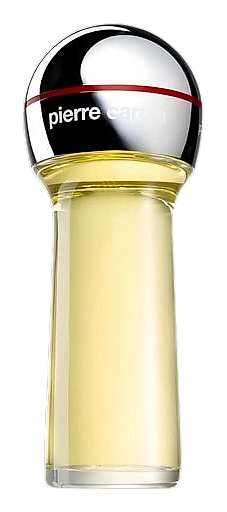
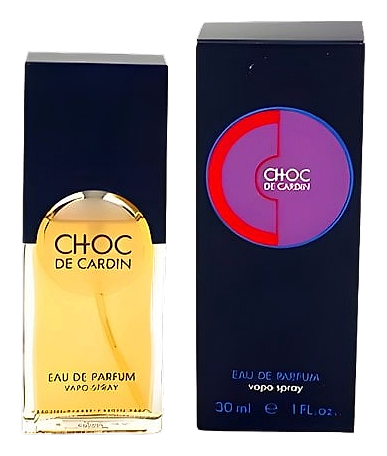
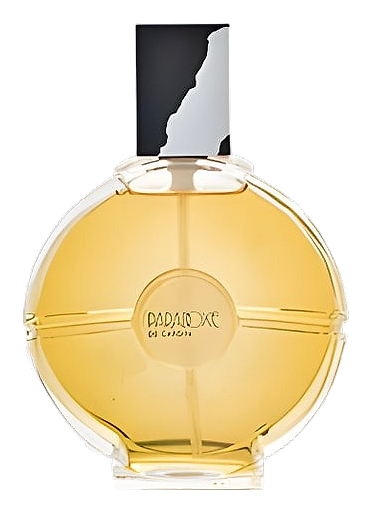
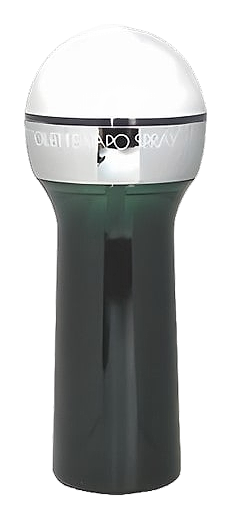
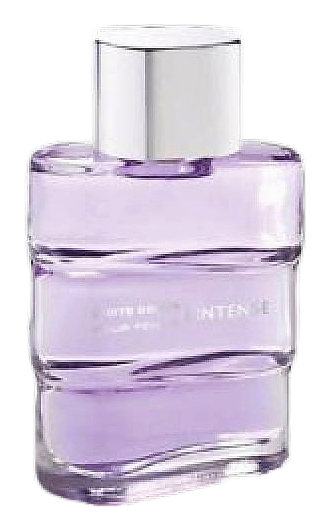
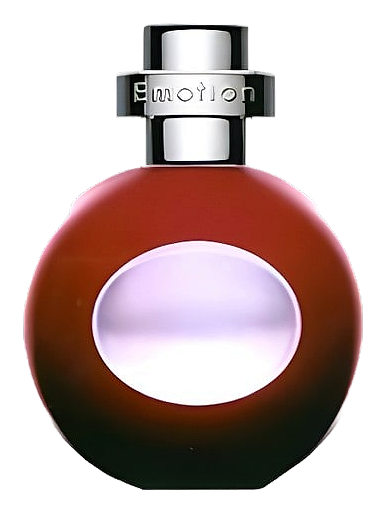
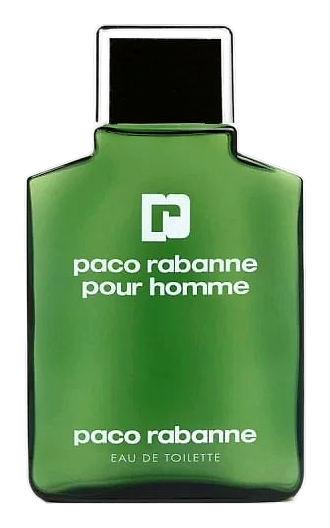
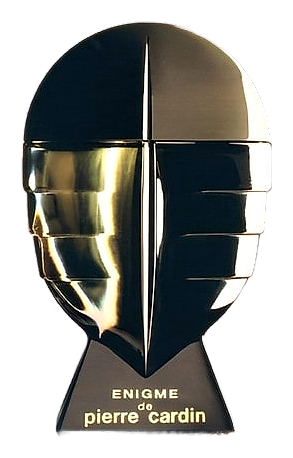
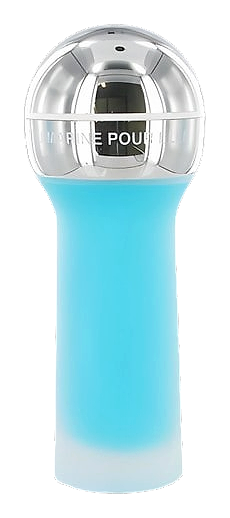
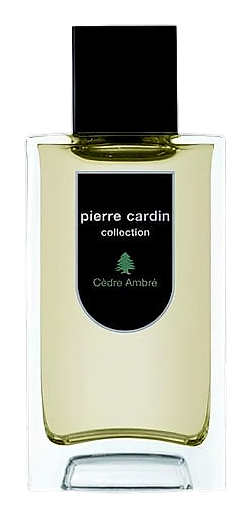
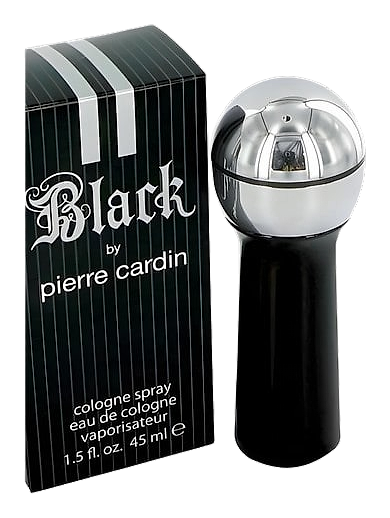
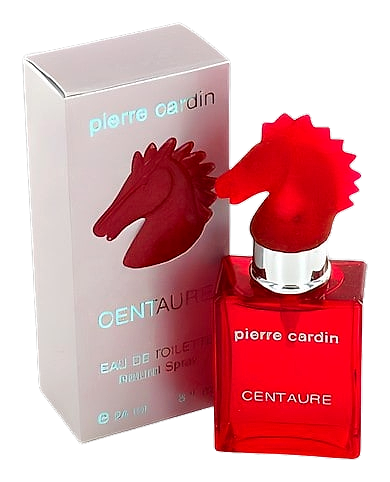
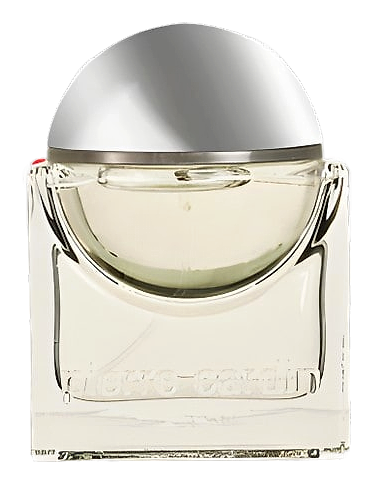
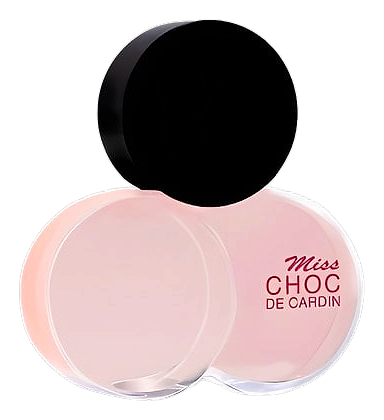
Pierre CardinPierre Cardin translates the designer's avant‑garde spirit into a fragrance portfolio that balances modernity with classic French perfume tradition. Since the early 1970s the house has offered a steady stream of scents for both men and women, each anchored by a distinctive bottle and a clear scent architecture. The line includes iconic releases such as Pour Monsieur (1972), Cardin for Women (1976), Choc de Cardin Eau Tonique (1990) and Innovation (2013). Today the brand presents more than forty fragrances, each positioned as an extension of Cardin’s geometric, space‑age aesthetic and his belief that style should be both daring and wearable.
The Creator
Françoise CaronCaron gravitates toward luminous, translucent fragrances. She works comfortably with crisp citrus, transparent florals, and crisp green or aquatic notes, building structures that feel weightless rather than layered.