

















Heritage
A house, in its own words
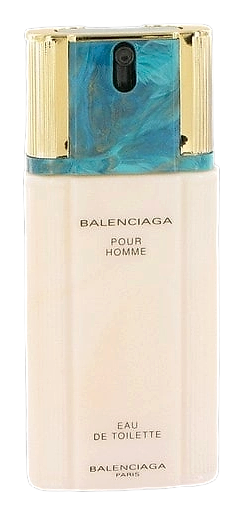
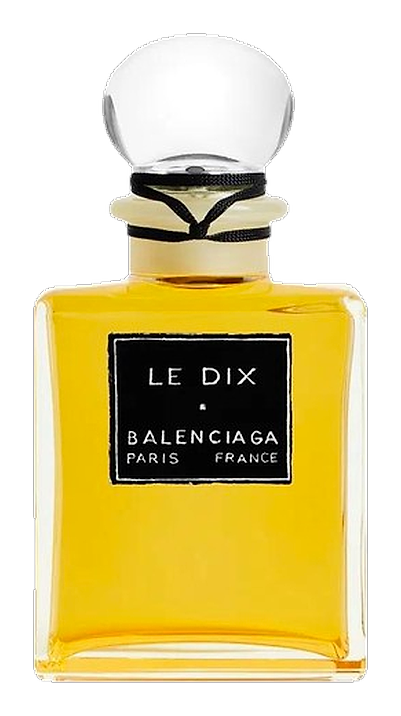
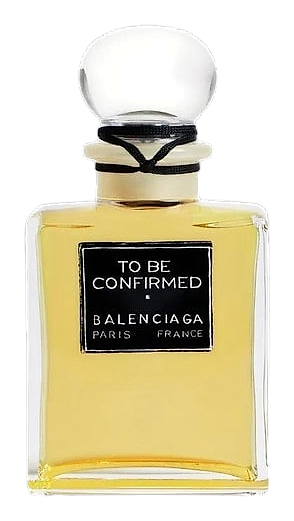
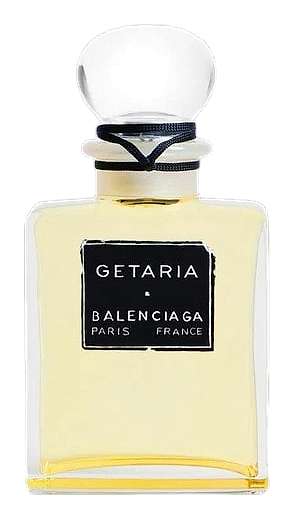
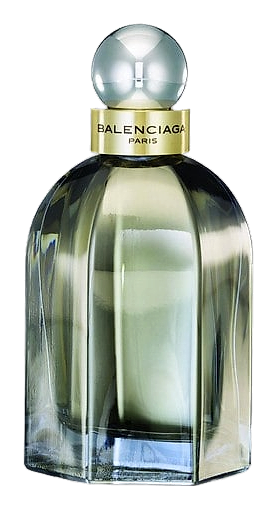
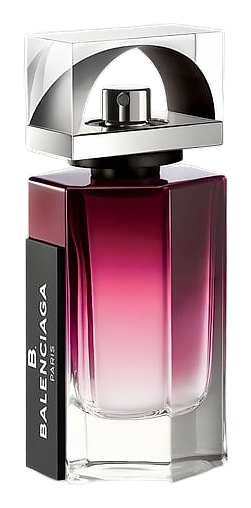
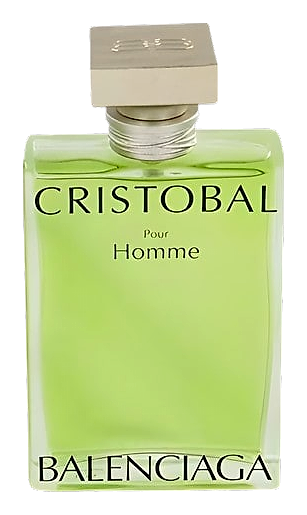
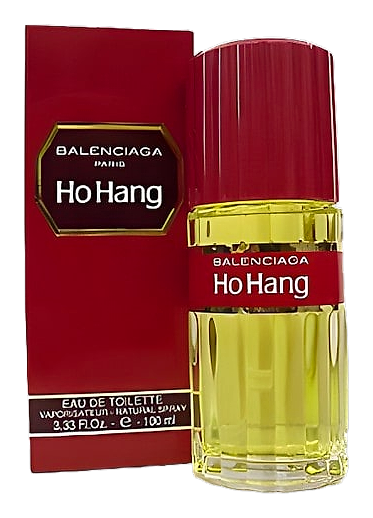
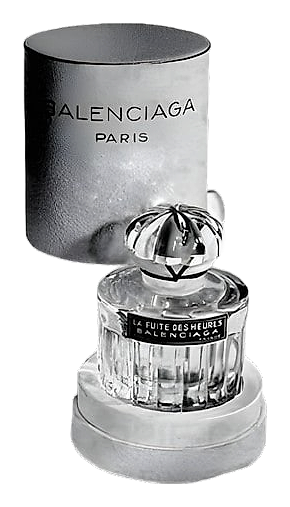
Cristóbal Balenciaga opened his first atelier in San Sebastián in 1917, then moved to Paris in 1937 where he reshaped haute couture. The fashion house launched its inaugural perfume, Le Dix, in 1947, a floral‑spicy composition that appeared the same year as Miss Dior. Le Dix marked Balenciaga as one of the earliest couture houses to enter perfumery. After a quiet period, the brand revived its olfactory portfolio in the 1970s with Ho Hang (1972) and Michelle (1979). The 1980s added Portos (1980) and Ho Hang Club (1987), reflecting the era’s shift toward richer, amber‑laden notes. In 1990 Balenciaga introduced Balenciaga Pour Homme, a crisp, aromatic scent that aligned with the house’s modernist aesthetic. The turn of the millennium saw Cristóbal pour Homme (2000) and Cristóbal pour Homme Cologne d’Orient (2000), both paying homage to the founder’s Spanish heritage while embracing contemporary composition techniques. In 2023 Kering Beauté created a dedicated fragrance unit, enabling the house to revisit its archives with modern technology, as seen in the recent recreation of Le Dix using digital scent scanning. Throughout more than a century, Balenciaga’s fragrance journey mirrors its fashion narrative: disciplined structure, bold reinterpretation, and a continual dialogue between past and present. Balenciaga treats scent as an extension of its architectural language. The house believes that a perfume should possess clear lines, balanced proportions, and a sense of movement, much like its garments. It prioritises authenticity, drawing directly from Cristóbal Balenciaga’s original aesthetic rather than chasing fleeting trends. The brand collaborates with perfumers who respect the house’s heritage while introducing subtle innovations, such as using modern extraction methods to preserve traditional ingredients. Sustainability informs ingredient selection; the house prefers responsibly sourced raw materials and supports growers who follow fair‑trade practices. Balenciaga also values transparency, offering limited edition releases that include details about the fragrance’s composition and the inspiration behind each note. This approach reflects a broader commitment to craftsmanship, where every element—from concept to final spray—serves a purposeful narrative.