The Story
Why it exists.
The beginning
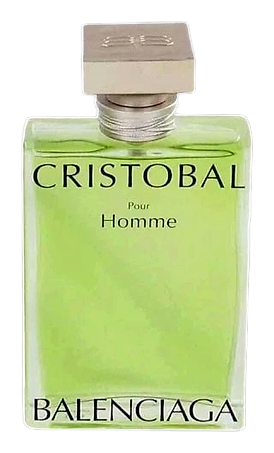
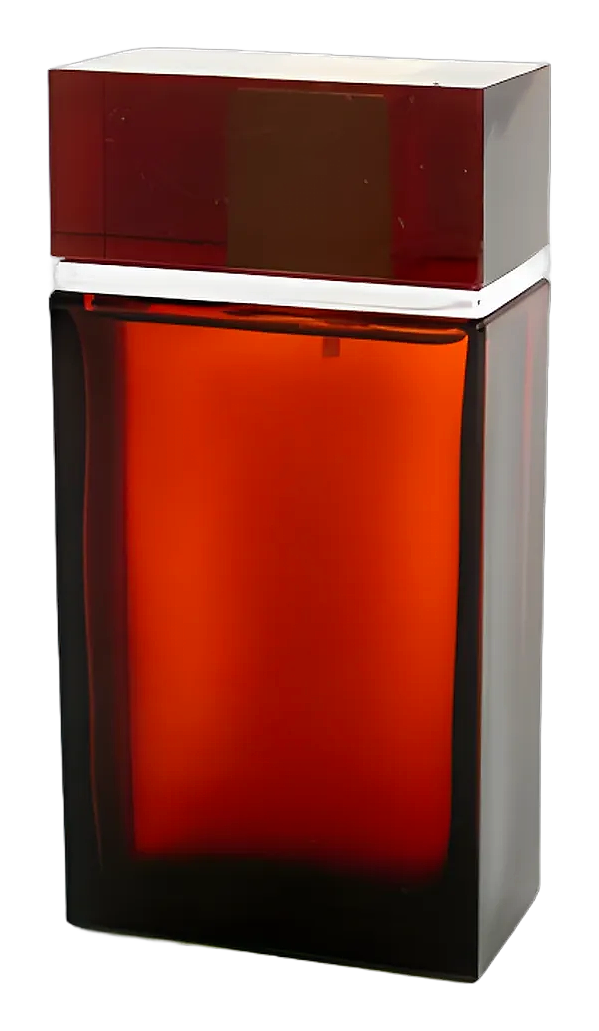
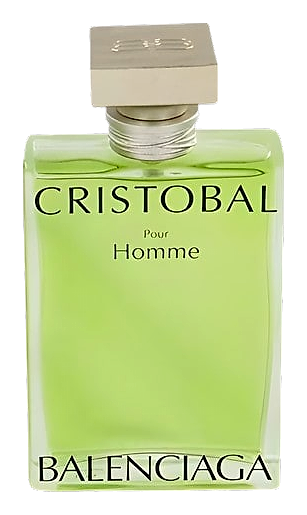
In 2000, Balenciaga turned to perfumer Gérard Anthony to create a fragrance that carried the weight of its founder's name. Cristobal pour Homme wasn't a tribute in the sentimental sense, it was a structural statement. Anthony built an oriental-woody composition that echoed the house's architectural precision: clear lines, deliberate proportions, a sense of movement through contrast. The brief wasn't to smell like Cristóbal Balenciaga the man, but to distill the same authority he brought to fabric into something you could wear. White pepper and coffee opened sharp and modern. The heart held warmth without softness. The base, benzoin, amber, vanilla, tobacco, anchored everything in resinous permanence. It arrived at the turn of a millennium when masculine fragrance was shifting toward cleaner, safer profiles. Cristobal pour Homme refused the retreat.
What makes this composition unusual is the tension between its opening and its conclusion. The top notes, white pepper, coffee, artemisia, tea, arrive with an almost medicinal sharpness. There's green in the artemisia, a slight bitterness in the coffee that keeps things from going sweet too early. Then the mid-section shifts: sandalwood and geranium introduce a creamier, almost floral dimension that softens the architecture without collapsing it. The real story is in the base, though. Benzoin and amber create a resinous warmth that doesn't behave like standard vanilla. Tobacco adds weight without smoke, a dry, almost leathery quality that rounds out the sweetness.
The evolution
The opening hits fast, white pepper and coffee collide in a burst that's sharp, bright, and slightly bitter. Within minutes, the coffee settles and something greener emerges from the artemisia and tea. The transition isn't dramatic; it's more like a door opening into a larger room. The heart arrives around the twenty-minute mark: sandalwood and geranium soften the edges, introducing cream and a faint floral note that keeps the spice from overwhelming. This middle phase lasts the longest, three to four hours of warm, aromatic complexity. Then the base takes over. Benzoin and amber push forward, vanilla adds sweetness, and tobacco grounds everything with a dry, resinous finish. By hour six, you're wearing amber and tobacco. The next morning, traces of benzoin still linger on fabric.
Cultural impact
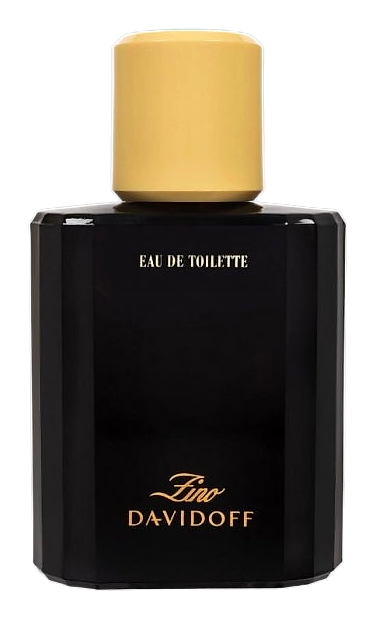
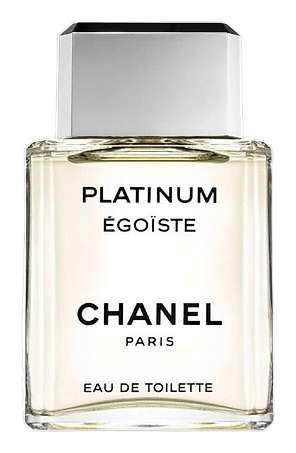
Cristobal pour Homme arrived in 2000 as Balenciaga's attempt to translate architectural rigor into olfactory form. Named after the fashion house's founder, the fragrance carries the weight of legacy while charting its own territory in masculine perfumery. At a time when many designers pursued extreme masculinity or aquatic freshness, Cristobal offered an alternative: refined warmth that didn't rely on sweetness or aggression. The oriental-woody composition positioned it alongside classics like Egoiste and Zino, yet it carved a narrower niche. Its discontinuation paradoxically strengthened its cult status, making it a sought-after artifact among collectors who value restraint over blockbuster appeal.