The Story
Why it exists.
The beginning
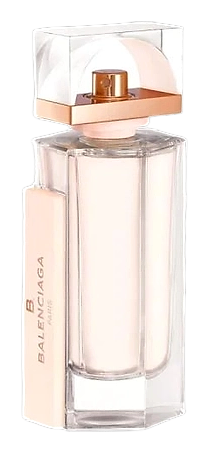
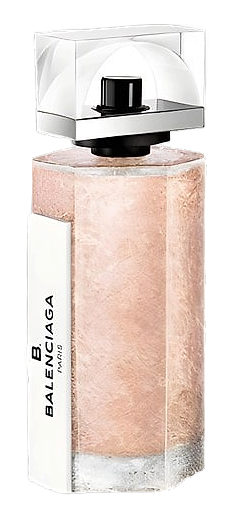
In 2014, Alexander Wang was three years into his tenure as creative director at Balenciaga when he decided the house needed a new fragrance that felt true to its identity. Not a tribute, not a deviation, something that carried the architectural precision and deliberate provocation of the runway into a bottle. He turned to Domitille Michalon-Bertier, a perfumer at IFF, and gave her a single directive: translate Balenciaga's DNA into scent. The brief referenced the house's history of silhouette and structure, the way a Balenciaga garment holds its shape before it touches the body. Michalon-Bertier worked with that language, lines, proportions, movement. The result was B. Balenciaga, a composition built on contrasts the house had long explored in fashion: sharp and soft, mineral and warm, architectural and wearable. The bottle, designed to echo the marble floor of the Balenciaga salon at 10 Avenue George V in Paris, completed the translation.
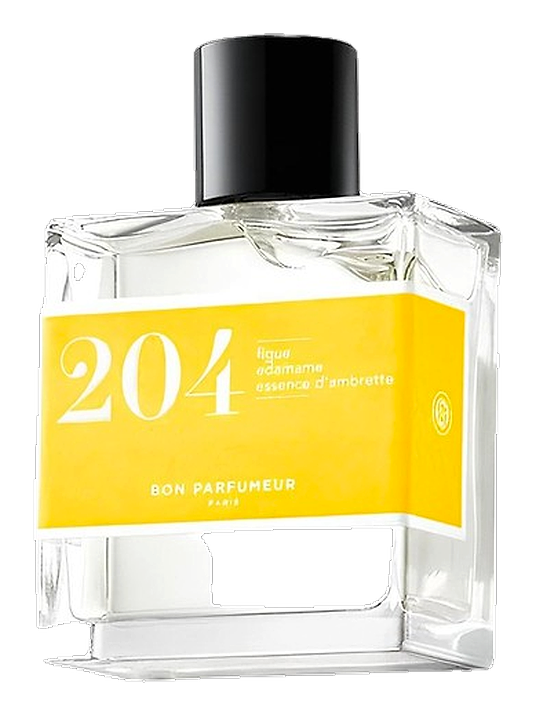
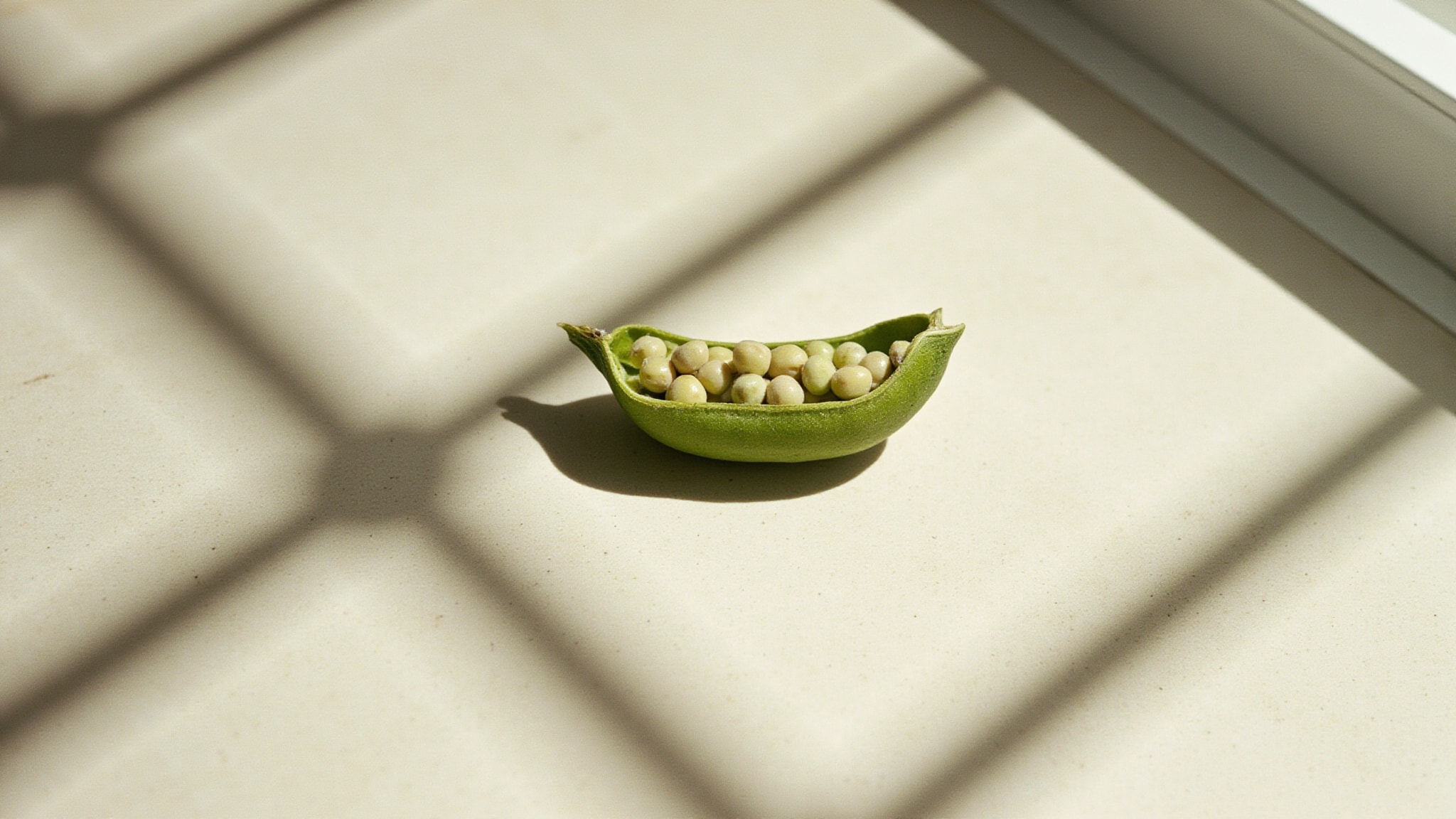
What makes B. Balenciaga unusual is its top note: soy bean, specifically the green accord of edamame peas. This is not a standard perfumery material, it reads as vegetable, mineral, almost cold, closer to crushed stems than to any floral. Paired with violet leaf, it creates an opening that behaves more like a fragrance's drydown than its debut. The heart of cedar and orris root keeps the composition grounded in classic perfumery while adding texture, cedar's pencil-shaving sharpness against orris's powdery iris. The base uses cashmere wood, a modern aromatic chemical that mimics sandalwood's warmth without its weight, and ambrette seed, a sustainable musk extracted from hibiscus seeds.
The evolution
B. Balenciaga opens on the wrist like cold water on stone, green, mineral, immediate. The soy bean accord announces itself first, vegetable and crisp, followed within minutes by lily of the valley brightening the edges without softening them. This is the fragrance's most distinctive phase: that green-mineral quality running parallel to white floral, neither dominating. Around the thirty-minute mark, the cedar arrives, pencil shavings and dry wood, quietly authoritative. The orris follows, adding a powdery iris quality that tempers the sharpness without becoming sweet. The drydown is where this fragrance earns its name: cashmere wood and ambrette seed settle close to the skin, musky and warm but never heavy. On most skin types, the fragrance holds for six to eight hours, fading to a whisper rather than a declaration. The next morning, a clean, slightly woody trace remains, the cedar and orris imprint, nothing else.
Cultural impact
B. Balenciaga arrived in mid-October 2014 with a campaign shot by Steven Klein, starring German model Anna Ewers. The fragrance occupies an unusual position: it was created under Alexander Wang's creative direction, marking a specific moment in the house's history before his departure in 2015. Wearers describe it as the scent of someone who doesn't need to announce themselves, quiet, architectural, self-assured. The soy bean note generates polarized reactions: those who love it describe it as the most interesting green opening in mainstream perfumery; those who don't find it too vegetable, too cold. That division is, perhaps, the point.