Soy Bean
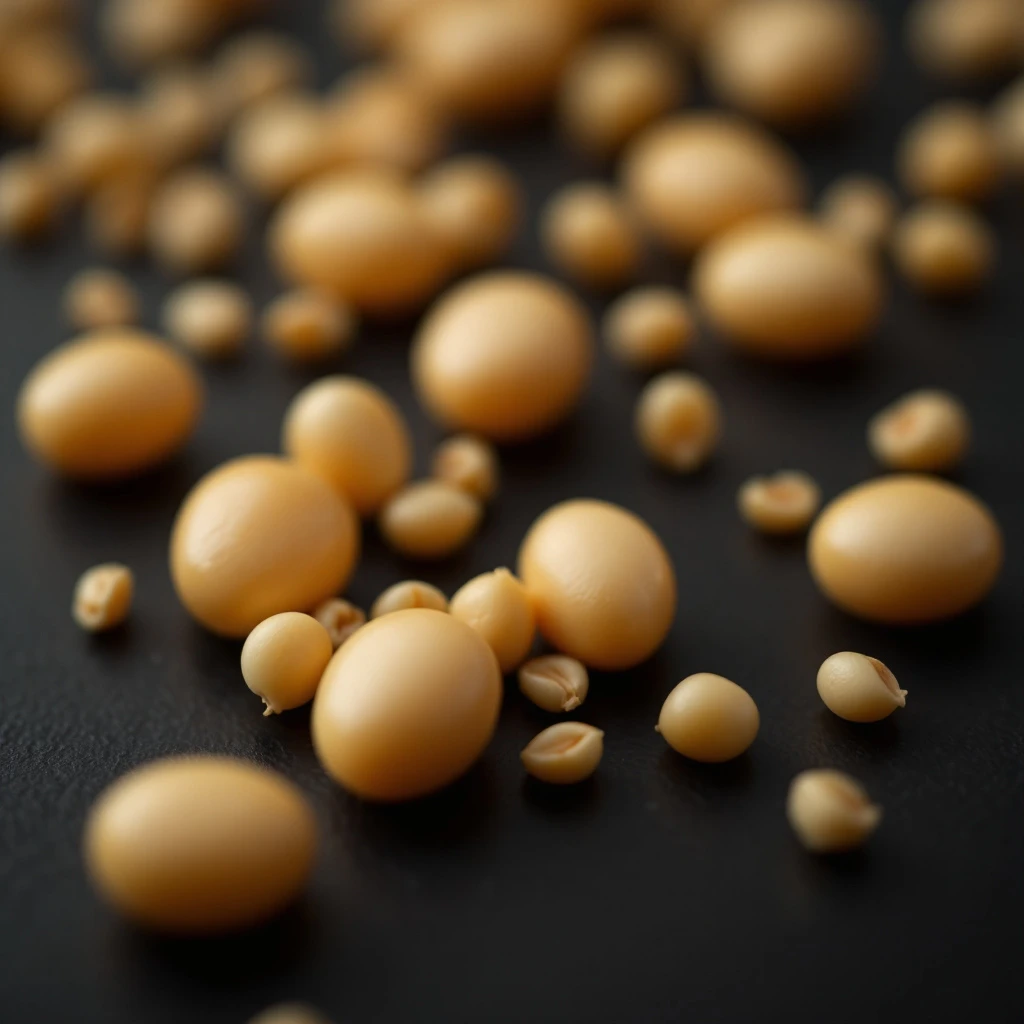
Beyond its culinary fame, soy bean offers perfumers a quiet, creamy foundation. Its oil yields soft, nutty warmth that grounds brighter notes and extends wear.
Character
How it smells
The quiet backbone of sustainable perfumery.
Some perfumers process soy oil to create a natural fixative that rivals traditional bases.







Origin
China
Soy bean traces its cultivated origins to East Asia, where farmers grew it for thousands of years before it reached Western markets in the 20th century. During the late 20th century, perfumers began exploring soy oil as a sustainable fixative base as consumer demand shifted toward natural and environmentally conscious ingredients. Today, soy supports the growing movement for plant-derived fragrance materials, offering an accessible alternative to traditional animal-derived and synthetic bases.
Wears it best
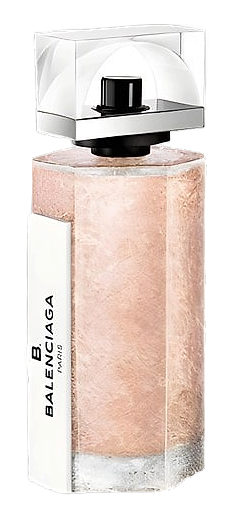
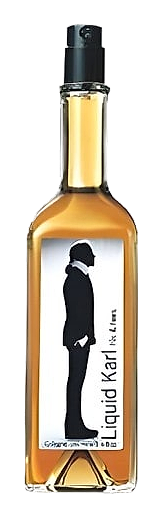
Fragrances featuring Soy Bean


Brands
Brands known for Soy Bean
Good to know
Questions, answered
The essentials on Soy Bean in perfumery: how it smells, where it comes from, and how it behaves on skin.
What does soy bean smell like in perfumery?
Soy bean oil carries a subtle, nutty aroma with creamy undertones. It lacks a dominant scent, making it valuable as a fixative that enhances other ingredients rather than competing with them.
How do perfumers extract soy bean oil for fragrance use?
Perfumers obtain soy bean oil through cold-pressing or solvent extraction. Cold-pressing preserves natural aromatic compounds directly from the beans. Solvent extraction yields a more concentrated absolute suitable for fragrance formulations.
What role does soy bean play in fragrance composition?
Soy bean primarily functions as a fixative base in perfumery. It slows the evaporation of lighter top and heart notes, extending a fragrance's wear time on skin.
Is soy bean considered a sustainable perfume ingredient?
Yes. Soy bean is widely cultivated as an annual crop, making it highly renewable. Many producers source it from farms practicing responsible agriculture.
Can soy bean replace traditional fixatives like musk?
Soy bean oil offers a natural alternative to synthetic fixatives. While it does not replicate animal musk exactly, it provides reliable fixing properties in modern fragrance formulations.
Where does commercial soy bean cultivation focus?
China leads global soy bean production, followed by the United States and Brazil. The crop originated in East Asia, where it has been cultivated for over 5,000 years.
Does soy bean appear mostly in natural or niche fragrances?
Soy bean primarily appears in natural, botanical, and eco-conscious fragrance lines. Niche perfumers favor it for its sustainability story and clean ingredient sourcing.
How does soy bean affect a fragrance's texture?
Soy bean oil adds a smooth, creamy body to fragrance bases. It contributes weight and roundness without overpowering the overall scent composition.