
The Story
Why it exists.
The beginning
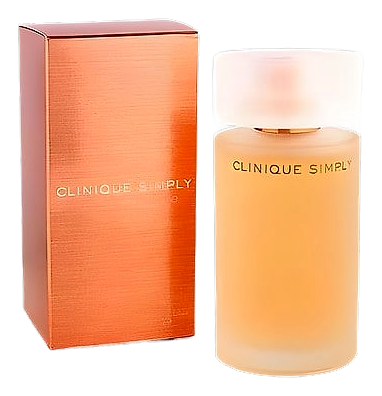
Raymond Matts and Ron Winnegrad designed Simply Clinique in 2004 around three equally weighted principles: clarity, comfort, and intimacy. Not the typical perfumery brief, no narrative arc, no hero ingredient screaming for attention. Just three ideas, held in balance. The result is a fragrance that refuses to announce itself. Melon and white flowers handle the clarity. Soy milk handles the comfort. Woody notes, vanilla, and white musk handle intimacy. Each layer present, none overpowering. The melon note is fresh without being sharp, almost dewy in its presentation. White flowers add a luminous quality that keeps the top notes from feeling too green.
The soybean and soy milk accord is what makes this work unusual. In perfumery, lactonic notes (think coconut, peach skin, creamy florals) usually lean sweet, even desserts. Here, Matts and Winnegrad treated the soy milk as something cooler, the comfort of warm milk without the sugar. White flowers add clarity that keeps the soy milk from becoming too heavy. Vanilla and white musk follow, but softly. No dramatic drydown reveal. The composition simply arrives at warmth and stays there. It's not trying to reinvent anything. It's trying to get the balance right, and largely succeeds.
The evolution
The opening is clean and slightly ozonic, melon and white flowers brightening the top notes without any sharpness. Thirty minutes in, the soy milk note arrives and changes the register entirely. Cool becomes warm. Bright becomes soft. The white flowers don't disappear, they float above the milk like something barely there. The vanilla and white musk arrive around the second hour and stay. The overall effect is intimate rather than performative, the kind of fragrance that develops close to the skin. The soy milk stays. That's the tell. Not a fragrance that performs, one that settles. It's the kind of scent you wear for yourself, where the evolution matters more than the statement.
Cultural impact
Simply Clinique occupies an unusual position: a fragrance discontinued years ago that still has devoted wearers tracking it down. The soy milk and soybean accord is polarizing in the best way, people who love it describe it as unique and comforting, while others find it unusual to the point of being off-putting. That divide is part of its story. It was never a mass-appeal fragrance. The scent works quietly, its soy milk note providing a creamy counterpoint to the bright melon and white flowers in the opening, settling into something that feels both modern and understated.
The House
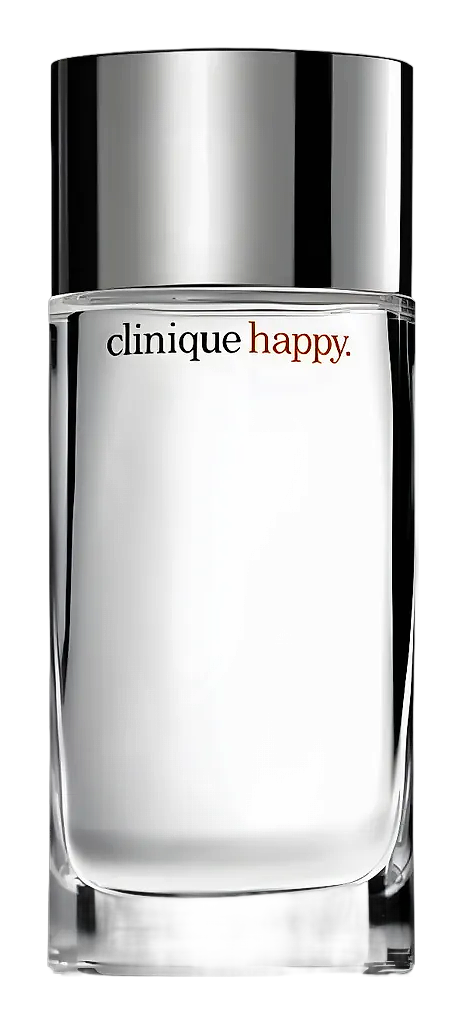
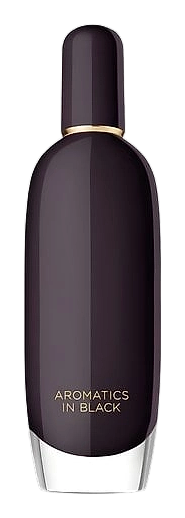
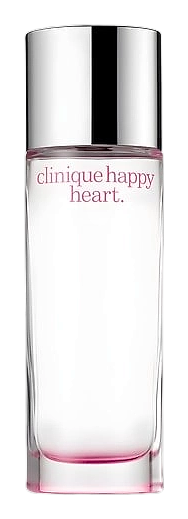
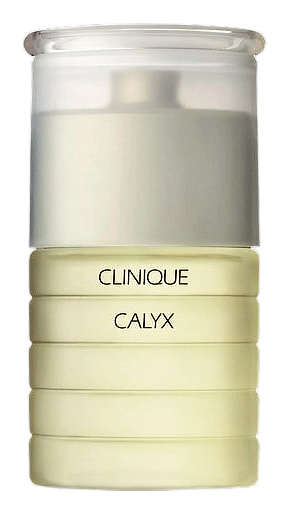
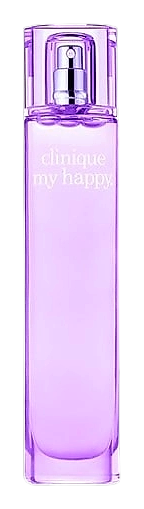
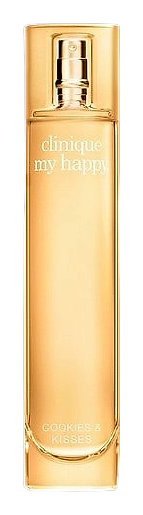
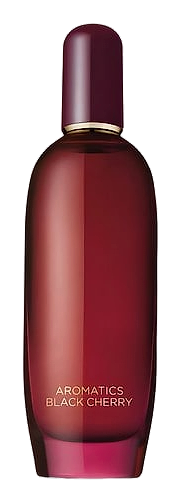
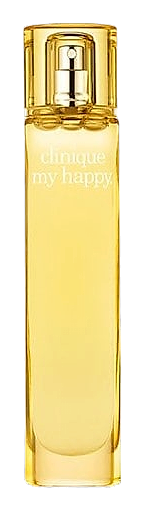
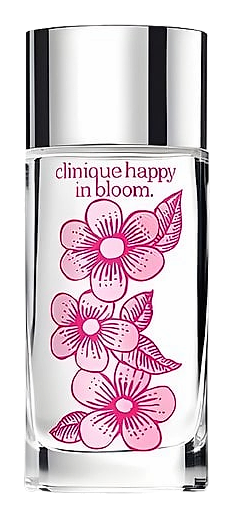
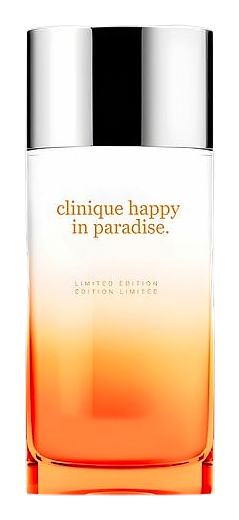
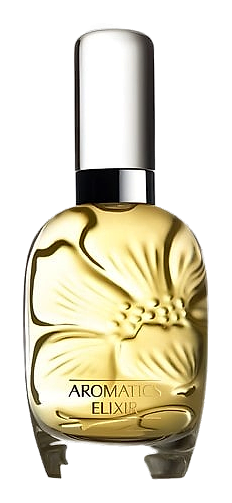
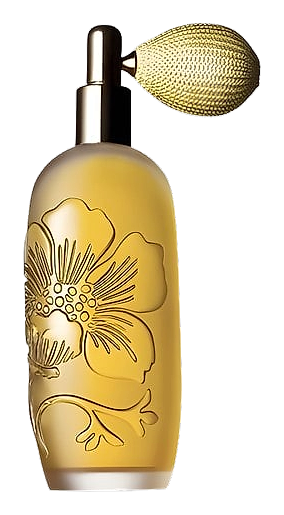
CliniqueClinique entered the fragrance world through the Estée Lauder Companies in 1968, bringing its dermatological expertise to perfume creation. Rather than positioning itself as a traditional perfumery house, Clinique applied its clinical background to fragrance development, emphasizing scientific rigor alongside sensory appeal. The brand's Aromatics Elixir, launched in 1975, became its signature scent and remains in production as one of the oldest continuously sold women's fragrances from a major cosmetics company. Clinique's fragrance portfolio spans multiple decades, with notable releases including Aromatics Elixir Premier (2017), the Perfumer's Reserve series (2011), and the Happy collection that began in 2002. The brand operates as a subsidiary of Estée Lauder Companies, combining pharmaceutical-inspired formulation principles with accessible luxury positioning.
The Creator
Raymond Matts & Ron WinnegradHis signature approach centers on structural layering and time-based development. Where many perfumers chase striking openings, Matts tends to think about how a fragrance unfolds over hours.