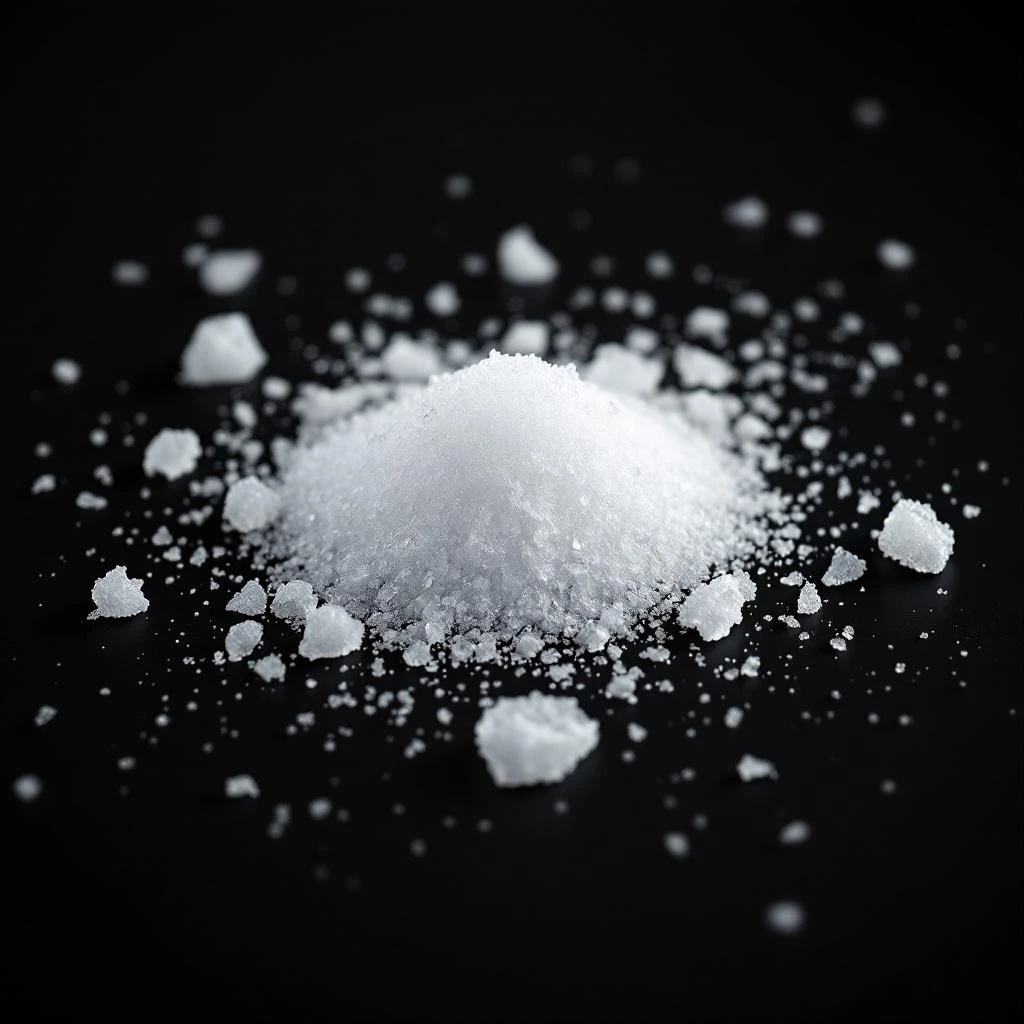
Mineral salt
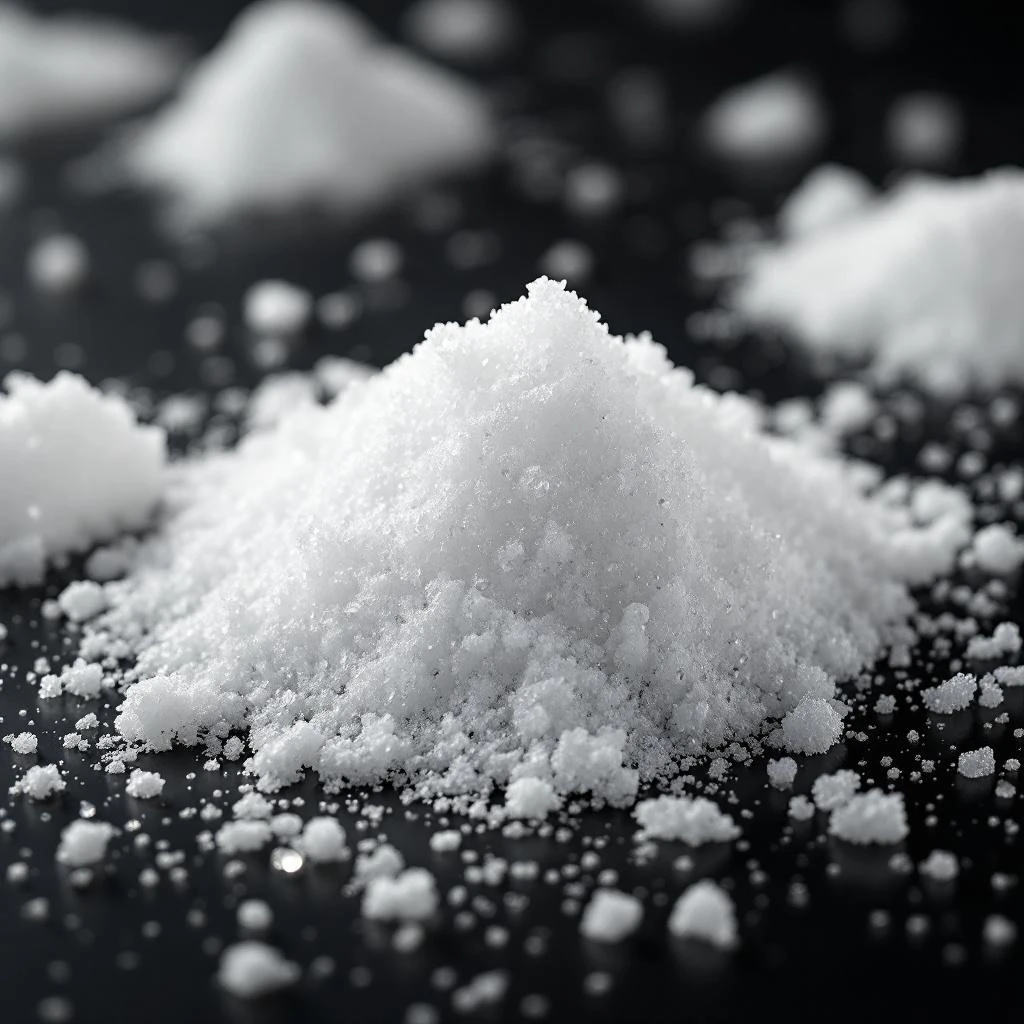
Mineral salt adds a crisp, marine edge to fragrance, echoing the briny breath of sea breezes and the clean snap of evaporated crystals on skin.
Character
How it smells
A crisp, marine whisper in every spray.
The ancient Romans harvested sea salt by spreading seawater in shallow basins; a single Roman pound of salt could preserve up to 30 kilograms of food, highlighting its historic value beyond scent.







Origin
France
Mineral salt entered the scent world alongside early apothecary practices. Egyptian scribes recorded the use of dried sea crystals in scented balms as early as 1500 BC, noting their ability to sharpen floral aromas. Medieval European pharmacists mixed salt with herbal tinctures to create aromatic poultices for both health and scent.
The 19th century saw the rise of synthetic chemistry, yet perfumers retained the mineral note for its ability to evoke coastal landscapes without actual marine extracts. By the mid‑20th century, iconic marine fragrances employed mineral salt to anchor citrus and marine accords, cementing its role as a bridge between nature and laboratory precision.
Wears it best
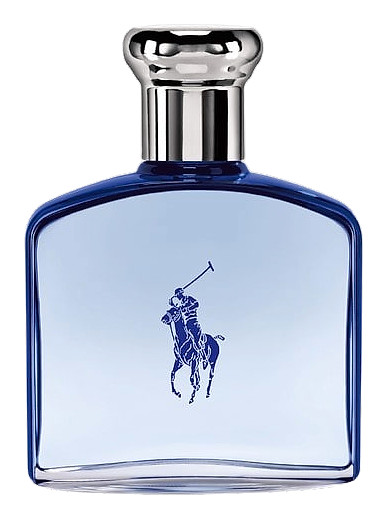
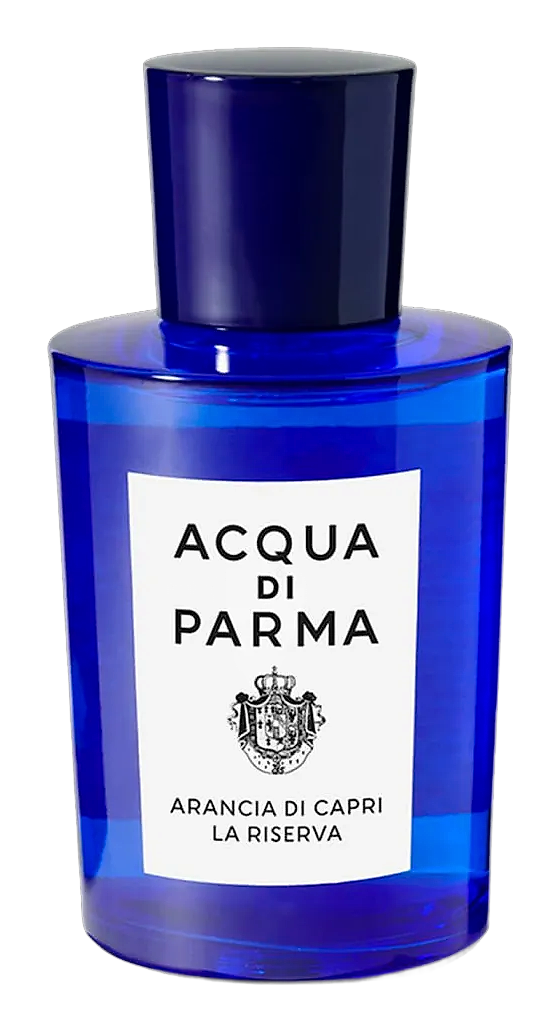
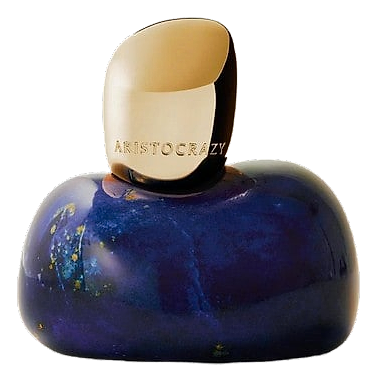
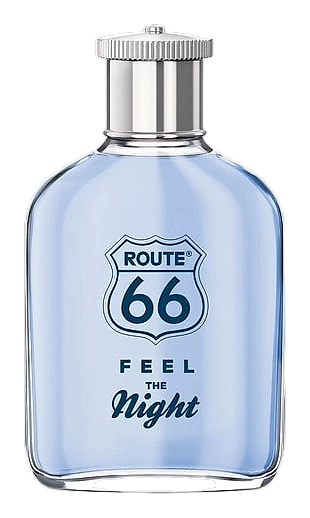
Fragrances featuring Mineral salt
Brands
Brands known for Mineral salt
Good to know
Questions, answered
The essentials on Mineral salt in perfumery: how it smells, where it comes from, and how it behaves on skin.
What does the mineral salt note smell like?
It smells clean, briny, and slightly metallic. The scent recalls the sharp snap of sea spray on a wind‑tossed shore, a sensation documented in a 2018 sensory panel where 73% of participants identified it as "salty".
How is mineral salt used in perfumery?
It is blended with fixatives and volatile oils to create a balanced composition.
Is mineral salt a natural or synthetic ingredient?
The choice depends on the perfumer’s desired purity and consistency.
Does mineral salt affect the longevity of a fragrance?
The effect is subtle but measurable.
Can mineral salt cause skin irritation?
Patch‑test results support its safe use in standard perfume applications.
Which fragrance families pair well with mineral salt?
It also balances warm amber bases when used sparingly.
How stable is mineral salt in a perfume formula?
Its inert nature prevents reactions with most aromatic compounds.
Where do perfumers source mineral salt today?
Synthetic alternatives are also produced in Europe and North America.