Cranberry
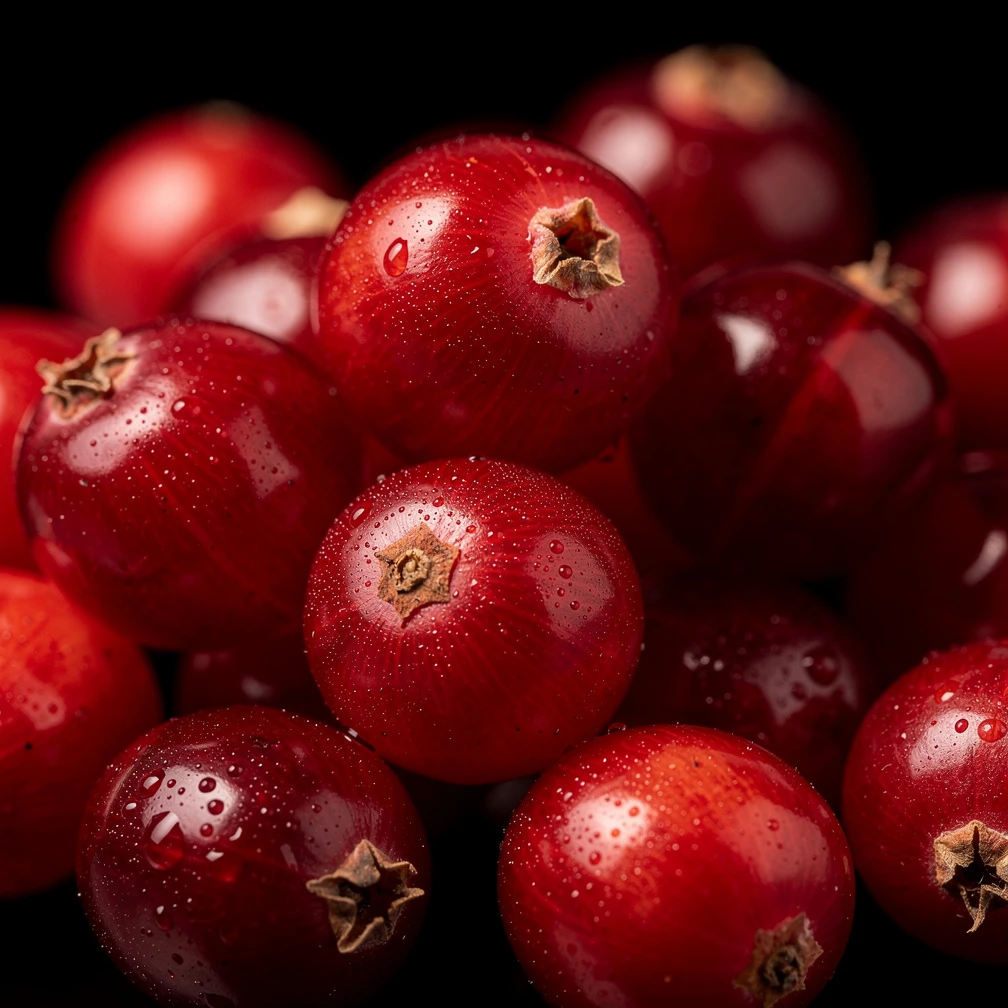
Cranberry brings a sharp, tart brightness to perfumery that few other fruit notes can match. Unlike sweeter berries that dominate a composition, cranberry adds structure and clarity. It offers a crisp, slightly sour character with subtle green undertones that keep fragrances feeling fresh and modern rather than overly sweet or juvenile.
Character
How it smells
The tart red spark that cuts through sweetness with crisp precision
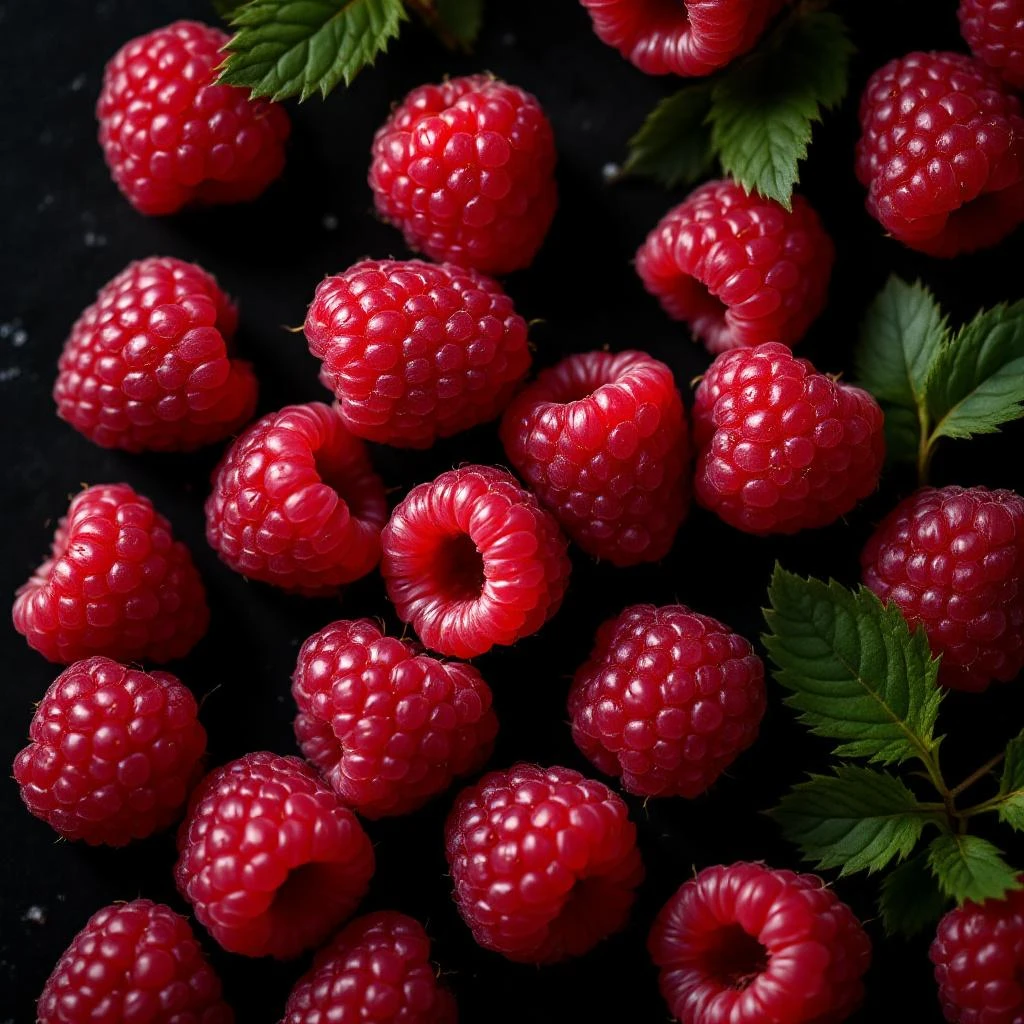
Cranberry bogs are harvested by flooding the fields with water, causing the ripe berries to float to the surface for collection. This unique method, developed in the 1960s, transformed cranberry farming in North America.








Origin
United States
Cranberries have grown in the wetlands of North America for thousands of years, thriving in the acidic bogs of what is now the northeastern United States and Canada. Native American tribes used the berries as food, medicine, and dye long before European colonization. They called the fruit various names including 'ibimi' (bitter berry) and introduced it to early settlers, who adapted the name from 'craneberry,' supposedly because the flower resembled the head of a sandhill crane.
The fruit entered perfumery relatively late compared to citrus and traditional florals. For centuries, fragrance focused on distilled essential oils from flowers, woods, and spices. Fruit notes, particularly tart ones like cranberry, gained acceptance only as synthetic chemistry expanded the perfumer's palette in the late twentieth century. The reconstructed berry accord allowed perfumers to capture cranberry's unique character without the instability and impracticality of natural extraction.
Today cranberry appears in fragrances across all categories, valued for its ability to add a modern, energetic freshness. It pairs particularly well with floral notes like peony and jasmine, where it provides a crisp counterpoint, and with woody bases where its tartness prevents compositions from feeling too heavy. The note has become especially popular in autumn-inspired fragrances, where it evokes the sensory experience of harvest season without relying on predictable spice notes.
Wears it best
Fragrances featuring Cranberry



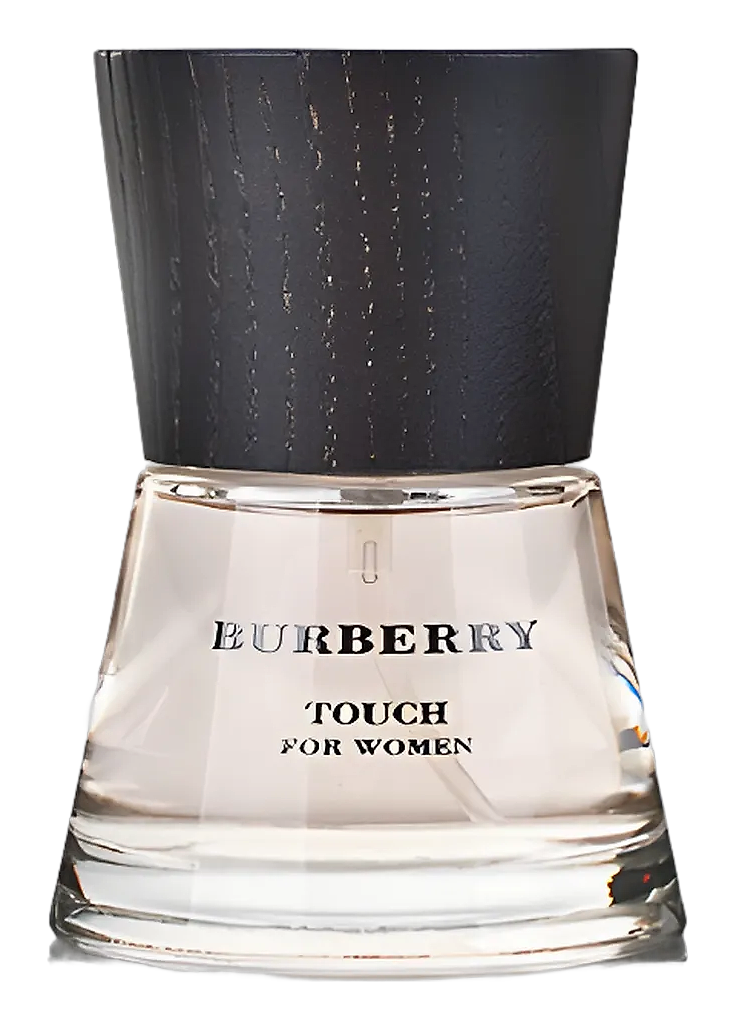
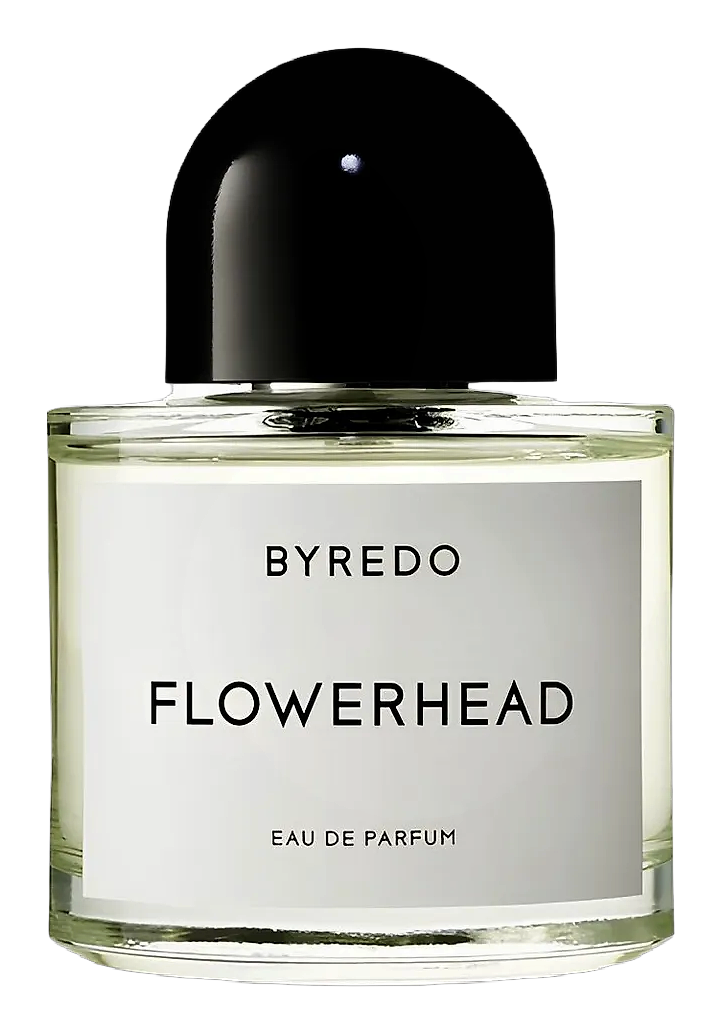


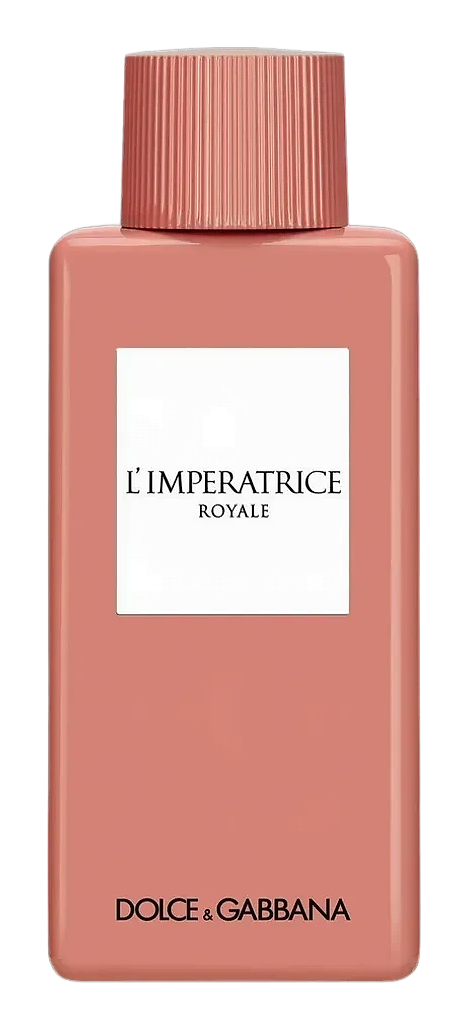
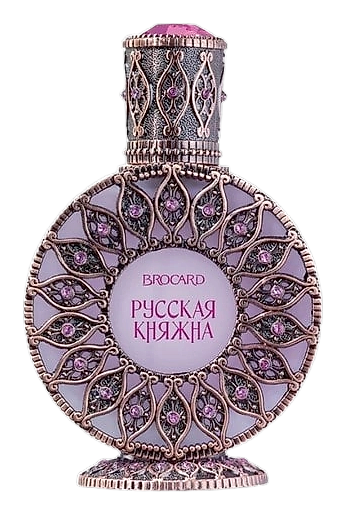
Brands
Brands known for Cranberry
Good to know
Questions, answered
The essentials on Cranberry in perfumery: how it smells, where it comes from, and how it behaves on skin.
What does cranberry smell like in perfume?
Cranberry in perfume presents a sharp, tart aroma with crisp green undertones and subtle sweetness. Unlike candy-like fruit notes, it carries a dry, slightly sour quality reminiscent of fresh unsweetened cranberry juice. The note often reads as bright and effervescent, adding a modern freshness that distinguishes it from heavier, sweeter berries.
What role does cranberry play in fragrance compositions?
Cranberry functions primarily as a top to middle note that adds structure and brightness without overwhelming sweetness. It cuts through dense base notes and provides contrast in oriental and woody compositions. The note works as a bridge between citrus openings and floral hearts, contributing a contemporary freshness that keeps fragrances feeling clean and wearable across seasons.
Is cranberry in perfume natural or synthetic?
Cranberry notes in perfumery are reconstructed accords rather than natural extracts. The fruit's high water content makes essential oil extraction impractical. Instead, perfumers blend natural isolates from citrus and berries with synthetic aroma molecules to recreate cranberry's distinctive tart, crisp character with consistency and stability impossible to achieve from the raw fruit alone.
What famous perfumes contain cranberry?
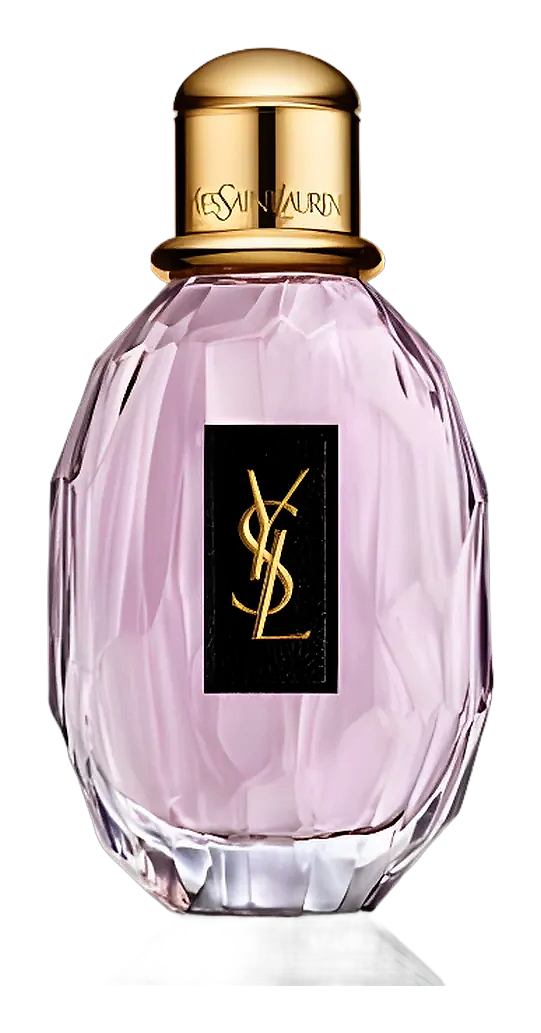
Notable fragrances featuring cranberry include Ange Ou Demon Le Secret by Givenchy, where it appears as a bright top note, and Parisienne by Yves Saint Laurent. Polo Red Remix by Ralph Lauren and I Am King by Sean John also showcase the note. These compositions demonstrate cranberry's versatility across feminine and masculine fragrance categories.
Is cranberry a top note, heart note, or base note?
Cranberry typically functions as a top to middle note, appearing in the opening and early drydown of a fragrance. Its volatile, fresh character means it does not persist into the deep base. In compositions, it often bridges citrus top notes and floral or woody heart notes, providing a tart transition that maintains energy as the fragrance evolves on skin.
What notes pair well with cranberry in perfume?
Cranberry pairs exceptionally well with peony, jasmine, and other soft florals where its tartness prevents sweetness from becoming cloying. It complements woody notes like sandalwood and cedar, adding brightness that balances their density. Citrus notes enhance its fresh qualities, while light musks in the base extend its presence. The note also works with tea accords and green notes for contemporary fresh compositions.
Where does cranberry come from?
The American cranberry (Vaccinium macrocarpon) is native to North America, primarily cultivated in Massachusetts, Wisconsin, New Jersey, and Oregon, plus Canadian provinces. The fruit grows on low trailing vines in acidic wetland bogs. Major production regions include Cape Cod and the surrounding area, where cranberry cultivation has occurred since the early 1800s. The plants thrive in acidic peat soil with consistent moisture.
Is cranberry used in men's or women's fragrances?
Cranberry appears in both men's and women's fragrances without strong gender association. In feminine perfumes, it adds crisp structure to floral and fruity compositions. In masculine fragrances, it provides fresh energy alongside woods and spices. Its neutral character makes it versatile across gender categories, valued for the modern, clean freshness it contributes regardless of target demographic.