The Story
Why it exists.
The beginning
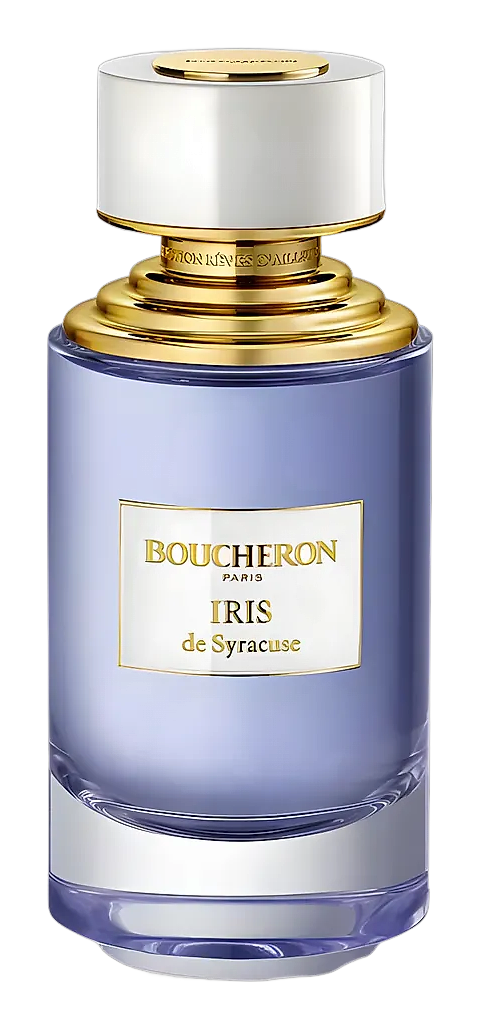
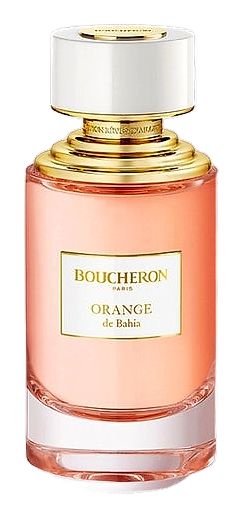
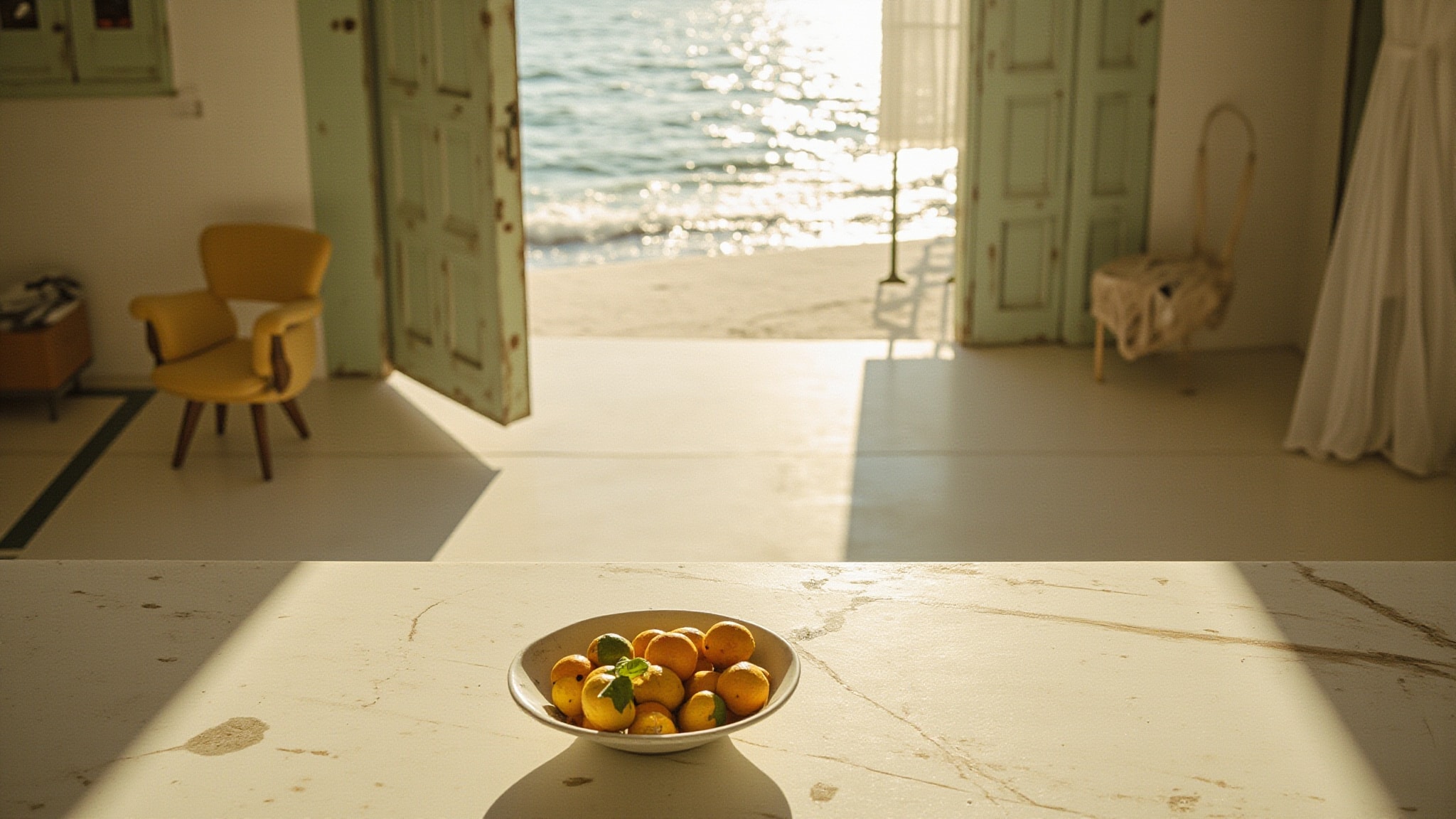
Orange de Bahia belongs to Boucheron's Collection, where the house pairs a single accord with a named location. The name alone pulls south, Brazil's coastline, the Atlantic heat, the fruit stacked in markets by the sea. Perfumer Michel Girard built the fragrance around that luminosity. Green mandarin and orange open the composition like a bright morning, then the heart introduces fig leaf and coconut milk, materials that read as tropical without resorting to the obvious. Rose absolute threads through, keeping the heart from going fully dessert. White cedar extract and amberwood anchor the base in something woody and clean, the kind of drydown that lingers without announcing itself. It's a house known for jewelry that moves with the body rather than constraining it, and Orange de Bahia follows that logic. Worn, not displayed.
What makes Orange de Bahia work is the way coconut milk functions in the composition. It doesn't smell like a piña colada or sunscreen. It reads as texture, a creaminess that softens the citrus edges without making the fragrance sweet. Fig leaf provides the green counterweight, keeping the tropical heart grounded in something botanical rather than confectionary. Rose absolute is used sparingly here, more warmth than statement. The real structural decision is pairing coconut milk with white cedar extract and amberwood, materials that are clean and slightly dry rather than rich and resinous. That keeps the entire fragrance from cloying, even in heat.
The evolution
The green mandarin opens sharp and immediate, bright enough to catch attention in the first thirty seconds, then settling as the orange note warms it from underneath. For about twenty minutes, this is purely citrus. Then the coconut milk arrives, softening everything. Fig leaf appears alongside it, not as a separate note but as the green undertone that prevents the coconut from reading too creamy. Rose absolute is nearly invisible at first, a warmth that registers as presence rather than scent. By the second hour, the coconut and fig have fully taken over, the composition reads as tropical and lush, but still green, still breathing. The drydown is where white cedar and amberwood earn their place. They don't arrive with fanfare. They replace the coconut milk so gradually that by hour four, the scent has become something woody, clean, and intimate.
Cultural impact
Orange de Bahia has found its audience among wearers who want tropical warmth without leaning into heavy florals or sweet vanillas. It performs consistently in warmer months, summer and early fall see the most engagement. The coconut and fig combination makes it stand apart from standard citrus fragrances, and the clean woody drydown gives it an everyday wearability that contrasts with more statement-oriented niche releases. There is something here that resists easy categorization, a fragrance that finds its place between seasons and between occasions, appealing to those who appreciate complexity without excess.