The Story
Why it exists.
The beginning
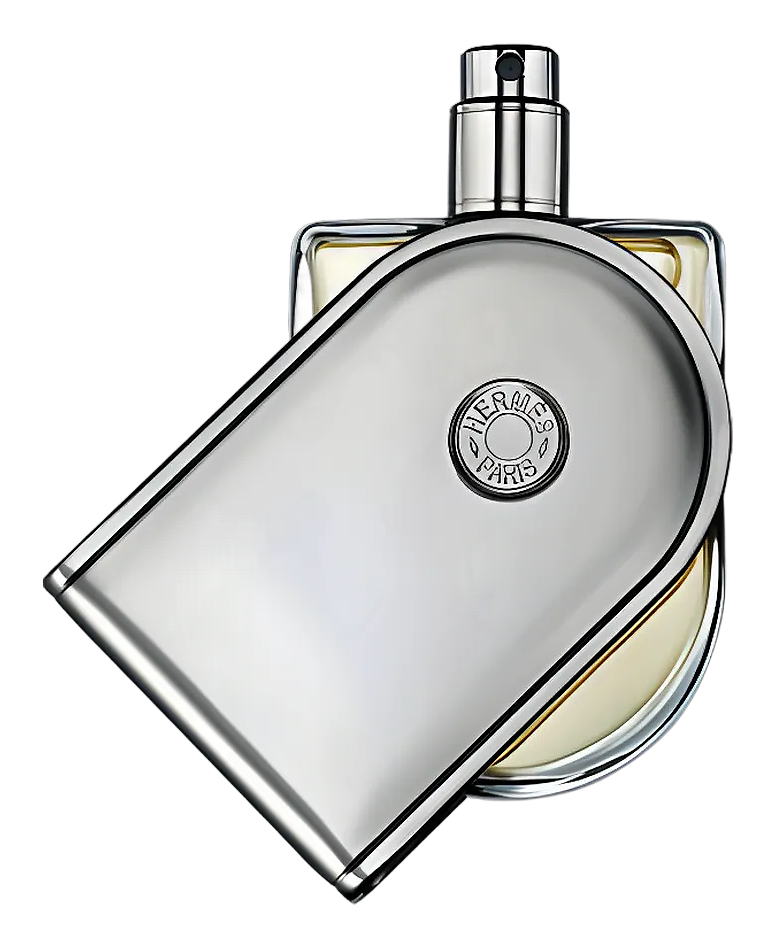
Françoise Caron composed this in 1979 as Hermès entered uncharted territory, their first proper cologne, a category the house had deliberately stayed away from. Where other houses were building toward complexity, Caron stripped things back. The brief, if you can call it that, was green. Specifically: the smell of morning undergrowth in an orange plantation, the hour when dew still sits on leaves and the air carries the plant's full green scent rather than just the fruit's sweetness. The name says it all, Eau d'Orange Verte is literally water of green orange, the unripe citrus the French call orange verte. It was devised as a burst of citrus touches, with orange to the fore, and launched as the founding cologne of what would become a house signature. Where Hermès had built its reputation on leather and silk, this was something lighter, a daily ritual rather than an occasion.
What makes the composition interesting is the structure Caron chose to support that green burst. The opening is all citrus, orange, lemon, mandarin, the zest and the leaf, but it doesn't stay there. The heart introduces jasmine and orange blossom, white florals that add a soft, almost waxy richness that prevents the whole thing from reading as a cleaning product. And then at the base: oakmoss and patchouli. These are not expected materials in a cologne that opens this brightly. Oakmoss adds an earthy, slightly mushroom depth. Patchouli contributes its characteristic dark, herbal warmth. Together they ground the brightness and give the fragrance somewhere to go when the citrus inevitably fades.
The evolution
The opening is immediate and arresting. Citrus oils hit the skin with a sharp, almost medicinal brightness, bergamot and lemon zest, the mint giving a clean, cold feeling like ice on skin. There's also a green quality here that isn't quite a note but rather an effect: the crushed-leaf smell that comes from the orange's vegetative parts rather than its fruit. This lasts cleanly for the first hour, maybe ninety minutes on warmer skin. The hand-off to the heart is gradual. The jasmine emerges slowly, not displacing the citrus but layering under it. Orange blossom adds a faint waxy sweetness, the smell of petals, not just of fruit. This middle phase is quieter but not thin. It's still bright, still green, but with a softer, rounder quality that makes it comfortable rather than sharp. The drydown arrives around the three-hour mark. The citrus recedes to a memory. What's left is the oakmoss, a deep, earthy, slightly mushroom warmth, and the patchouli, which adds a dark herbal quality that you wouldn't expect from the opening. This is where the fragrance surprises.
Cultural impact
Eau d'Orange Verte has remained in continuous production since its 1979 debut, a noteworthy achievement for a citrus cologne. The fragrance endures because of its authentic green freshness, avoiding the synthetic, cleaning-product quality that has undermined many similar scents. It offers a sophisticated take on the genre, with enough complexity to reward sustained wearing.