
Heritage
A house, in its own words
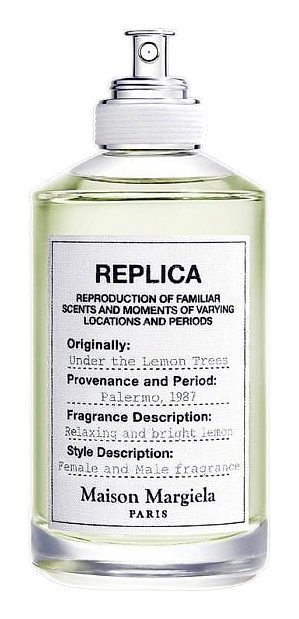
Martin Margiela emerged from the Royal Academy of Fine Arts in Antwerp in 1980 as part of a revolutionary group of Belgian designers who would reshape global fashion. After honing his craft as a design assistant to Jean Paul Gaultier from 1984 to 1987, Margiela launched his eponymous label in 1988 alongside Jenny Meirens, establishing headquarters in Paris. Their inaugural collection in 1989 immediately disrupted the era's excess-driven aesthetic with oversized silhouettes, exposed seams, and garments crafted from unexpected materials like repurposed ballgowns and butcher's aprons. This was deconstruction as fashion philosophy, clothes that questioned the very nature of luxury itself. Throughout his tenure, Margiela cultivated an aura of mystery that became as iconic as his designs. He refused face-to-face interviews, allowed no photographs, and took no bow at runway shows. Models walked with faces obscured by veils or masks, directing all attention to the garments themselves. Shows occurred in unconventional spaces, empty metro stations, street corners, and abandoned buildings, each location reinforcing the brand's anti-establishment ethos. This wasn't marketing gimmickry. It was a genuine conviction that the work should speak louder than the creator. In 1994, Margiela introduced the REPLICA concept, reproducing vintage garments with meticulous attention to their character and history. Each piece carried a label documenting the source and period of the original. This philosophy of replication, memory, and authenticity would later inspire the brand's fragrance line. In 2002, Maison Margiela joined the OTB Group, providing resources for expansion while preserving its independent spirit. Martin Margiela resigned from the house in 2008, his departure as quiet as his presence had been. In 2014, John Galliano was appointed Creative Director, bringing his theatrical vision to the house's intellectual framework. Under Galliano, the brand achieved official haute couture status in 2012 and continued pushing boundaries until his departure in 2024. Glenn Martens assumed creative leadership in 2025, ushering in a new chapter while honoring the house's radical foundations. Maison Margiela operates on principles of nonconformity and subversion. The house treats fashion as an art of meaning rather than a vehicle for personality cult. This philosophy manifests in the deliberate anonymity of its early years, the rejection of traditional marketing spectacle, and the commitment to deconstruction as both technique and worldview. Every design decision questions established norms, turning garments inside out to expose construction, using found objects as luxury materials, and challenging the very definition of beauty in fashion. The concept of REPLICA lies at the heart of the brand's philosophy, the idea that authentic emotion can be reproduced, that a garment or fragrance can capture a moment, a memory, a feeling so precisely that it becomes universal. This democratization of luxury experience runs counter to fashion's traditional exclusivity. The house believes in the power of anonymity, letting the work speak rather than the creator. It celebrates imperfection, finding beauty in raw edges, exposed seams, and the honest presentation of how things are made. This intellectual rigor, combined with genuine emotion, defines the Margiela approach to creation.