


Heritage
A house, in its own words
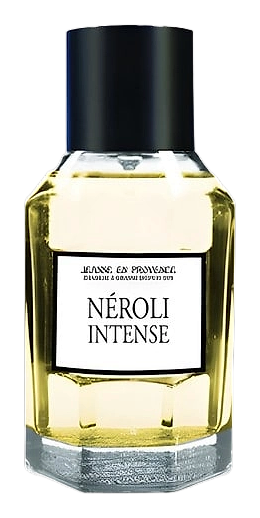
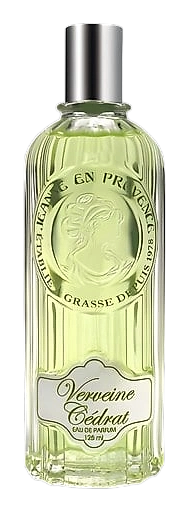
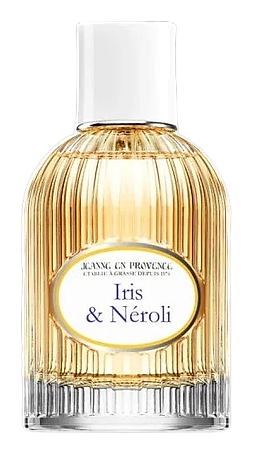
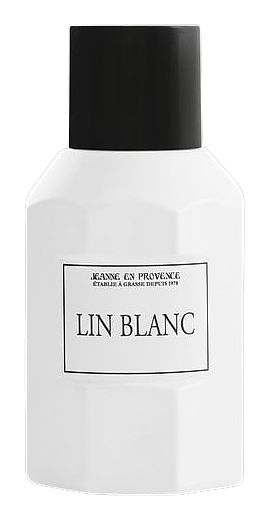
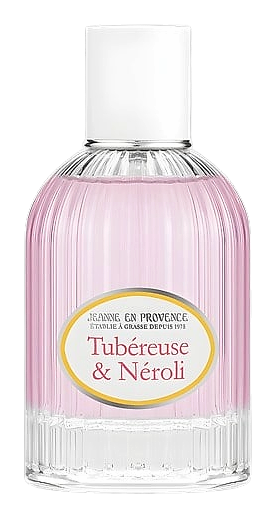
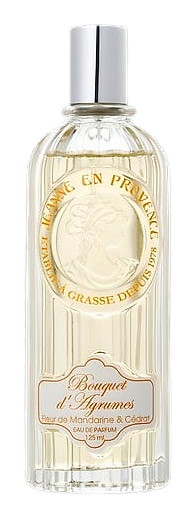
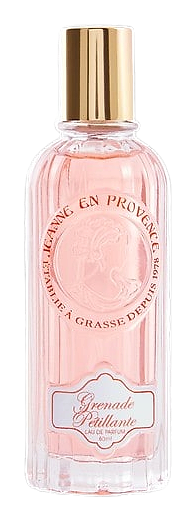
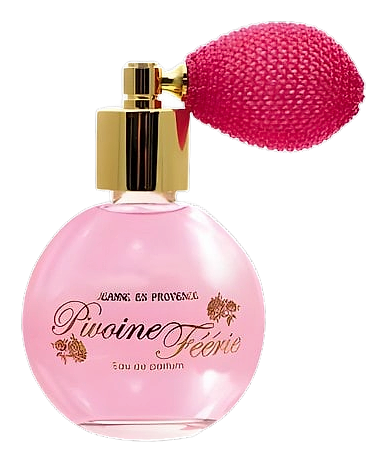
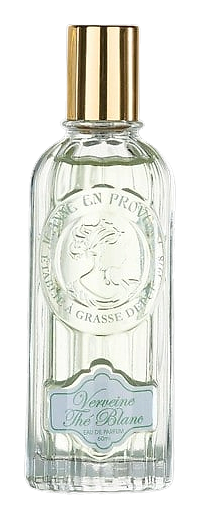
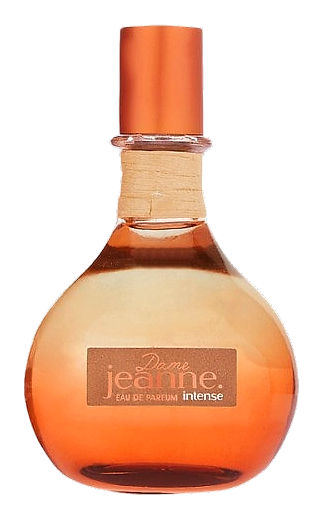
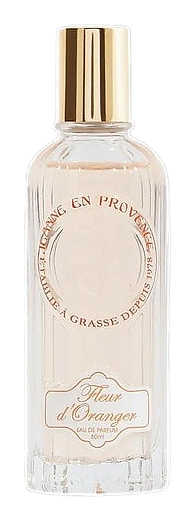
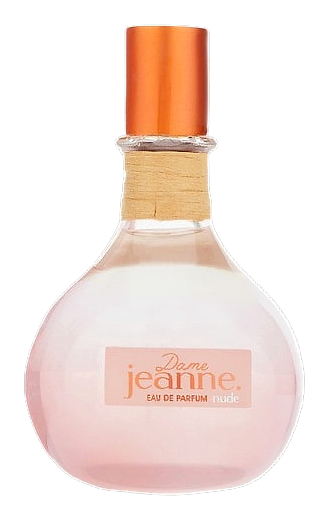
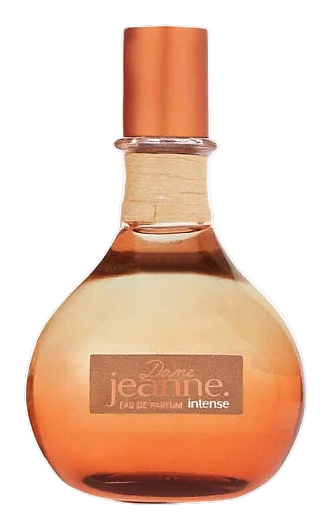
The ARTHES Group established Jeanne en Provence in 1978, setting its atelier in the heart of the Bois de Grasse, the cradle of French perfumery. The founders chose the name to honour the spirit of a Provençal woman named Jeanne, a figure who embodied the region’s warmth and simplicity. Early on the house focused on pure, nature‑inspired scents that could be enjoyed both on the skin and in the home. By the early 1990s the brand broadened its portfolio to include paraben‑free body lotions and scented candles, reinforcing its commitment to gentle, skin‑friendly formulas. In 2005 Jeanne en Provence launched its first dedicated home fragrance line, featuring diffusers and room sprays that carried the same botanical clarity as its perfumes. The 2010s saw a steady stream of new releases, each anchored in a specific Provençal ingredient: Verveine Cedrat arrived in 2015, followed by Néroli Intense in 2019 and the floral Iris & Néroli the same year. The brand continued to refresh its catalogue with Dame Jeanne Intense (2023) and Verveine Thé Blanc (2024), while the 2025 launch of Fleur d'Oranger highlighted the enduring appeal of orange blossom in the house’s DNA. Throughout its four‑decade history Jeanne en Provence has remained a family‑run operation, preserving artisanal techniques while adopting modern quality standards. The house distributes through boutique retailers across Europe and maintains a growing presence in select Asian markets, always presenting its scents as a portal to the Provençal countryside. Jeanne en Provence frames scent as a story of place. The brand believes that a fragrance should evoke a memory of a sun‑lit field, a breezy lavender lane or a quiet orchard. To honour that belief, the house sources raw materials from growers who practice sustainable agriculture in the Provence region. It insists on paraben‑free formulations, arguing that purity begins with safe ingredients. The creative process starts with a field visit, where perfumers record the colour, temperature and aroma of a bloom before translating those impressions into a fragrance brief. The brand values transparency, offering consumers clear ingredient lists and encouraging them to explore the botanical origins of each note. It also embraces modesty in design, preferring understated packaging that lets the scent speak for itself. By blending tradition with a contemporary respect for health and the environment, Jeanne en Provence aims to create fragrances that feel both timeless and relevant.