

Heritage
A house, in its own words
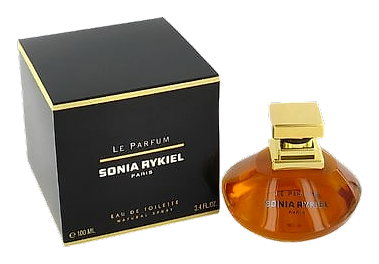
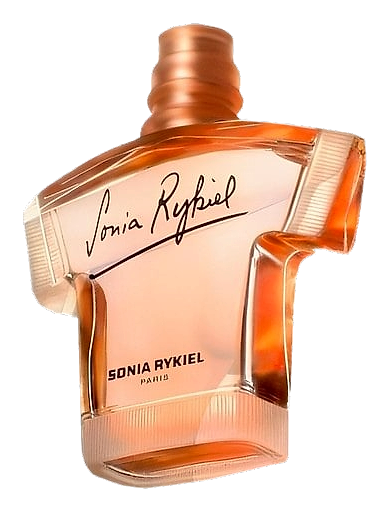
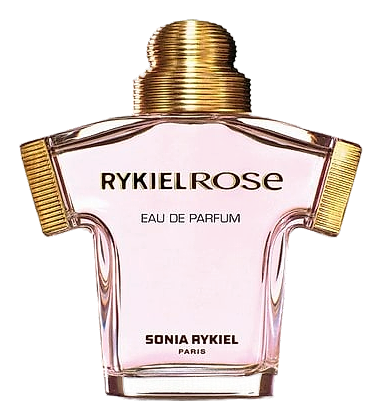
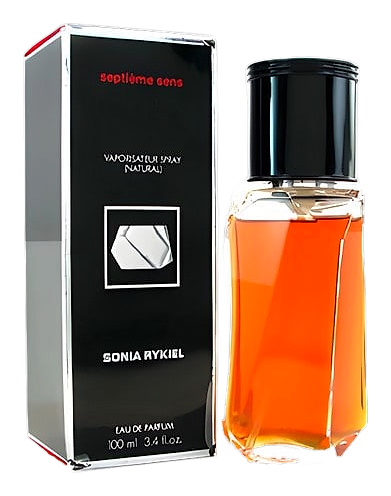
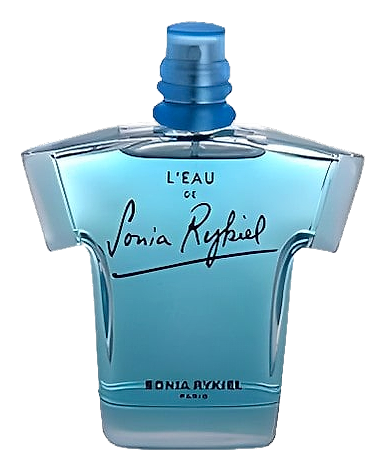
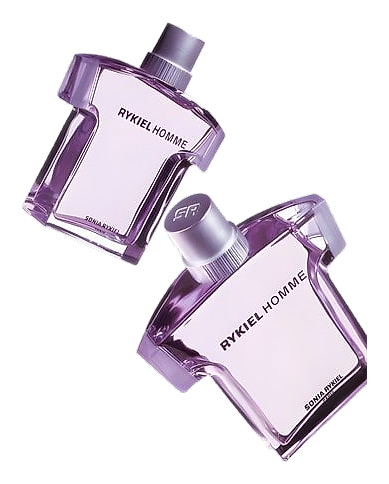
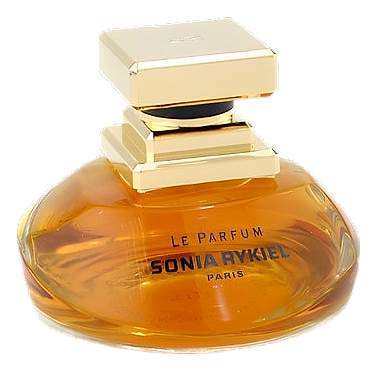
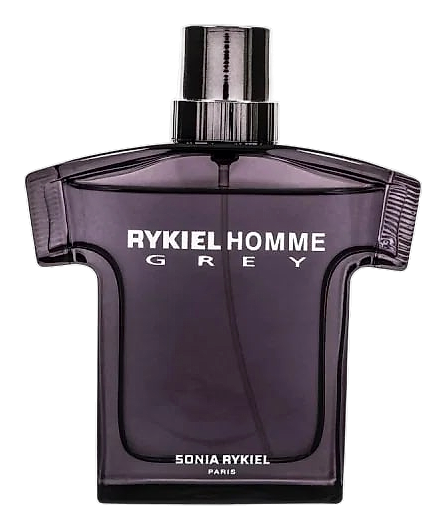
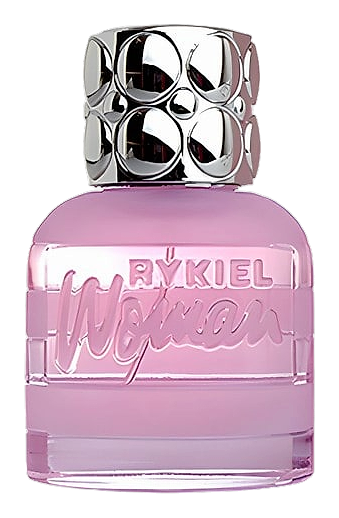
Sonia Rykiel opened her first boutique in 1968 on the Left Bank of Paris, establishing a label that would redefine how women perceived their own clothing. Born in 1930, she began designing after becoming frustrated with the stiff, uncomfortable fashion available to pregnant women. Rather than accept convention, she stripped the linings from jackets, removed scratchy details, and created what she called the poor boy sweater, a soft, seamless knit that became her signature. The innovation caught on quickly. By the 1970s, the Sonia Rykiel house was firmly established, specializing in knitwear that felt like a second skin rather than armor. She expanded into menswear, childrenswear, and eventually fragrance, with Septieme Sens arriving in 1979 as one of the earliest French designer fragrances to break from traditional floral structures. Her granddaughter Lola Rykiel later worked in public relations for the house, continuing the family connection to fashion and fragrance. The brand maintained its independence until eventually becoming part of the Selective Beauty Luxury division. Sonia Rykiel herself was also a writer, publishing novels and memoirs that explored the same themes of feminine autonomy and sensory pleasure that appeared in her designs and perfumes. The Sonia Rykiel approach to fragrance reflected the same philosophy that governed her clothing: comfort without sacrifice, sensuality without ostentation. She believed fashion should liberate rather than constrain, and her fragrances carried this conviction into olfactory territory. Rather than creating perfumes meant to attract or impress, the house developed scents that felt like personal signatures, intimate rather than announced. The decision to launch both women's and men's fragrances, including variations like Rykiel Homme Grey in 2003, demonstrated an understanding that scent exists on a spectrum rather than in fixed gender categories. Rykiel's own words suggested she viewed fragrance as a form of presence, something that shapes how we exist in space without requiring explanation. This philosophy manifested in compositions that favored nuance over impact, warmth over coolness, and memory over novelty. The house never chased trends aggressively. Instead, each launch built on the last, creating a coherent olfactory language that rewarded familiarity.