The Story
Why it exists.
The beginning
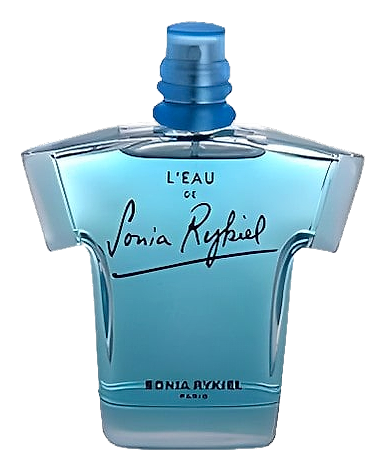
L'Eau de Sonia Rykiel arrived in 1998, composed by Emilie Bevierre-Coppermann. The name says everything, the water, the essence, the most intimate interpretation of a house built on tactile comfort rather than olfactory excess. Where Septieme Sens in 1979 announced itself, L'Eau de asks nothing of the room. The brief was clarity. Not minimalism as trend, but the specific French understanding that restraint can be its own kind of confidence.
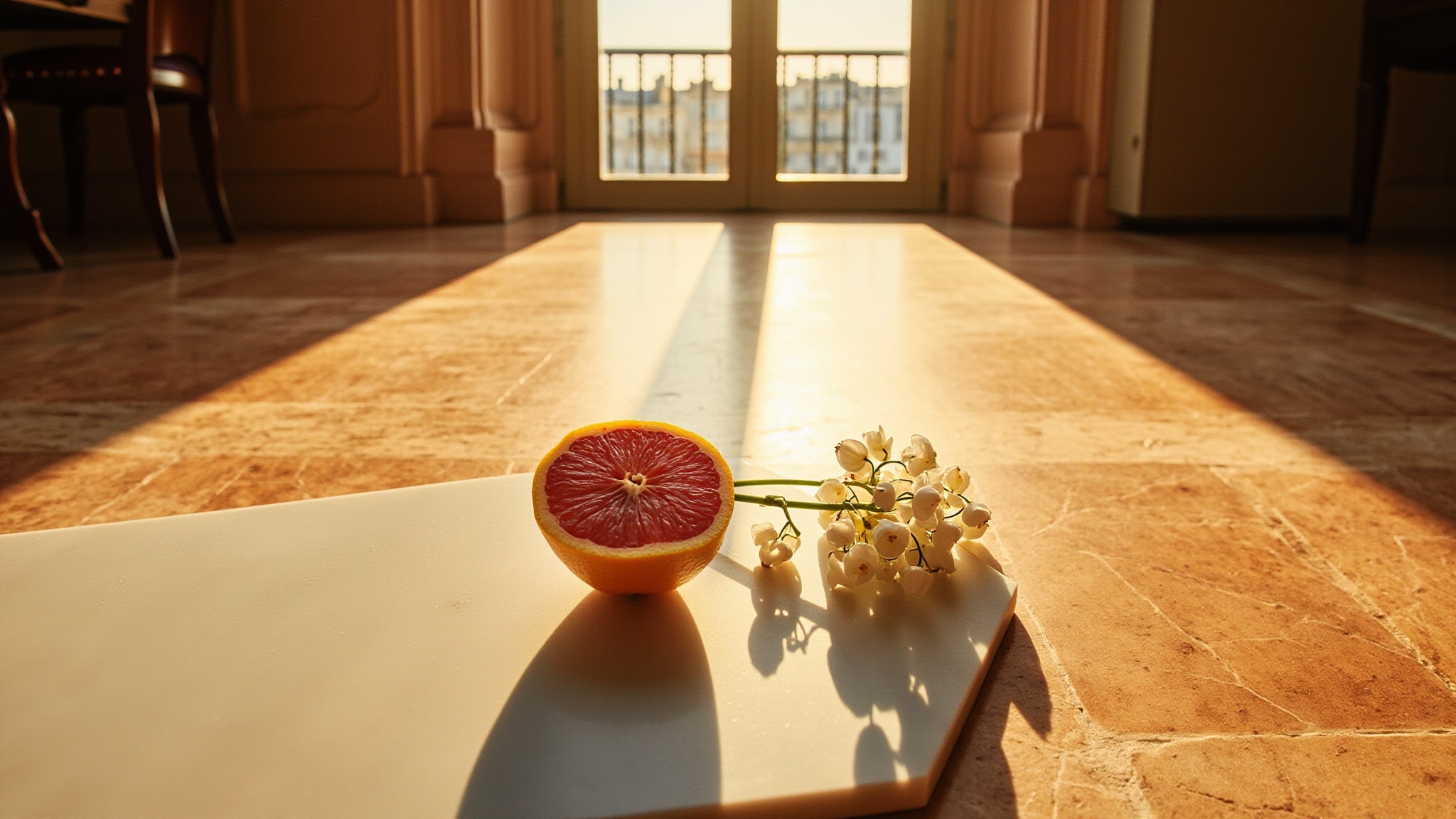
The pyramid leans green before it leans floral. Cypress anchors the opening alongside citrus, grapefruit, lemon, mandarin, which gives the top a sharper edge than the lily of the valley heart might suggest. That heart is where the house speaks loudest: lotus, cyclamen, peach, jasmine. White florals without the usual cream. The combination of green notes and white florals is unusual in 1998, neither fully fresh nor fully feminine, it occupies a middle register that requires the wearer to commit to neither.
The evolution
The citrus oils hit first and hold for roughly thirty minutes, cypress giving them structure, preventing the grapefruit from going completely sharp. Then the transition: green notes arrive and take over, the florals arriving quietly, almost apologetically. For the next two to three hours, lily of the valley leads a soft procession across the skin. The drydown belongs to the musk and cedar, the heliotrope adding a powder that stays close. The entire arc runs four to six hours on most skin. The grapefruit can be detected longest, faint, dry, a ghost of the opening hours later.
Cultural impact
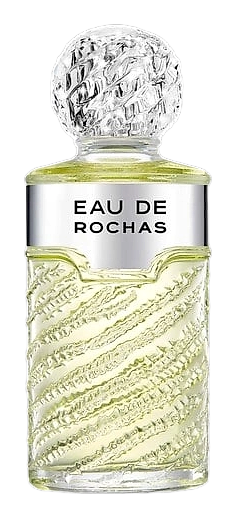
This fragrance belongs to a specific French tradition of understated daywear, scents that read as dressed rather than perfumed. The house's positioning as the liberated intellectual who dresses for herself defines the audience: someone who doesn't need a fragrance to speak for her. Comparable in spirit to Eau de Rochas, though L'Eau de Sonia Rykiel runs slightly greener. Neither fragrance competes for attention. Both reward the wearer who understands that discretion is its own statement.