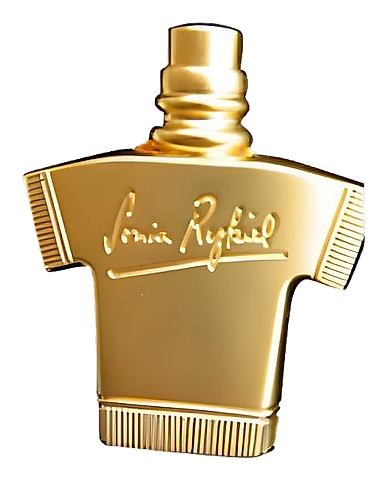

The Story
Why it exists.
The beginning
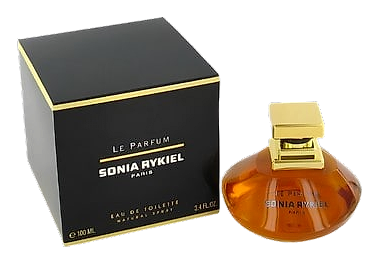
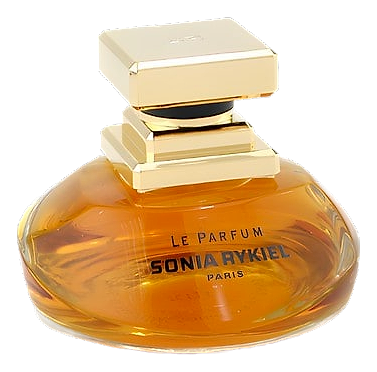
Emilie Coppermann composed Sonia Rykiel Parfum in 1997 as an oriental that refused to perform. Where many fragrances of the era leaned into projection and announcement, this one worked differently, close to the skin, intimate rather than declared, a personal signature worn for the person inside the clothing rather than for anyone waiting in the hallway. The house had built its identity on liberation and comfort without sacrifice, and the Parfum translated that philosophy into scent: warmth as personal territory, not public territory.
The structure is what makes it interesting. Most orientals announce themselves and stay loud. This one opens with tropical brightness, pineapple, passion flower, ylang-ylang, then quietly reconfigures into something warmer, deeper, more private. The honeysuckle and jasmine carry the heart, but the real work happens in the base: benzoin and tonka bean creating a resinous warmth, sandalwood and white cedar providing a soft woody foundation that doesn't overpower. The vanilla ties it together, giving the drydown that powdery, almost skin-like quality that makes people lean in rather than step back.
The evolution
The first spray is a wave of tropical fruit, pineapple and passion flower, tart-sweet, immediately recognizable. Blackcurrant adds a slight edge, and the ylang-ylang gives it a humid, floral undertone that keeps it from feeling like a smoothie. This opening lasts about thirty minutes before the citrus elements fade and the florals take over. The heart is lush. Honeysuckle leads, with jasmine and lily of the valley in support. There's a green quality from the rosemary that keeps it from becoming too sweet, and the iris adds a powdery softness that smooths the transition. Patchouli lurks underneath, but it's restrained here, more texture than statement. The drydown is where this fragrance earns its name. Benzoin and tonka bean create a warm, resinous sweetness that feels almost edible. Sandalwood and white cedar keep it grounded, and the vanilla ties everything together into something that lingers close to the skin for hours. Not projection, presence, of the quiet kind.
Cultural impact
Sonia Rykiel Parfum arrived in 1997 with a different kind of confidence. Where many orientals of the era leaned into projection, this one offered something subtler: warmth you discover rather than warmth that announces itself. The house built its identity on comfort without sacrifice, and the Parfum translated that into scent territory, a personal signature rather than a public one. The tropical warmth and powdery vanilla drydown have kept it relevant for wearers who prefer intimacy over impact.
The House
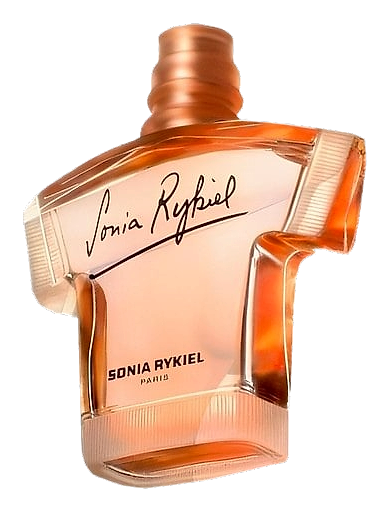
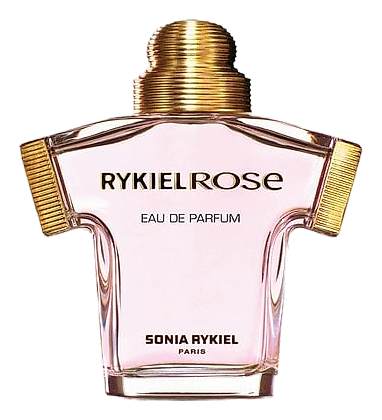
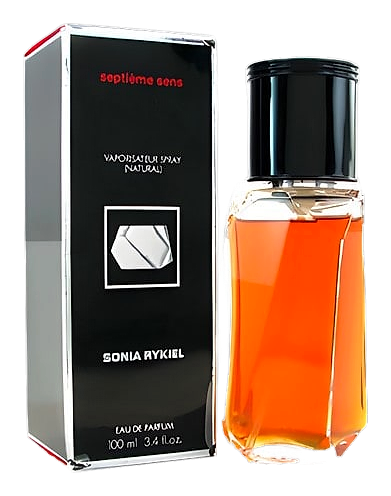
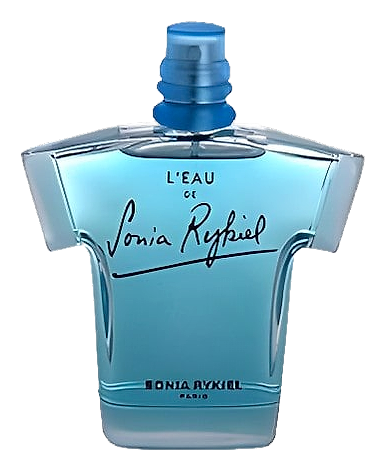
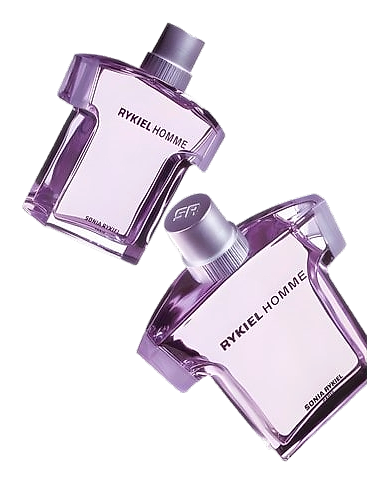
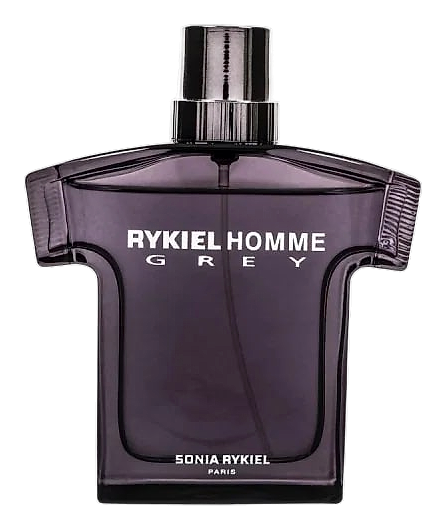
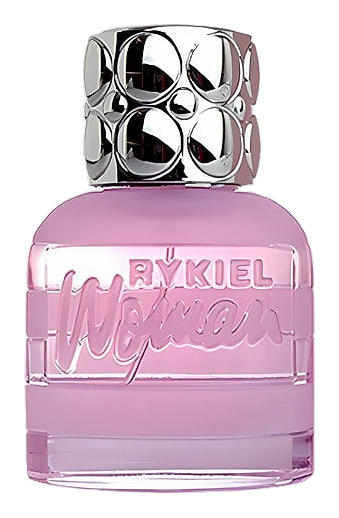
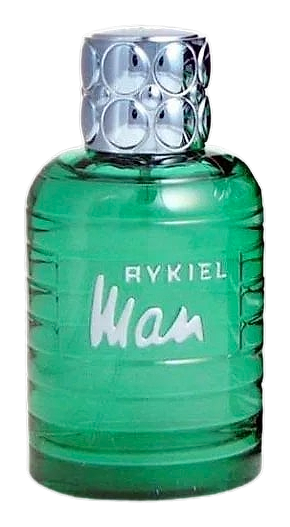
Sonia RykielSonia Rykiel built a fragrance house that embodied the liberated spirit of Parisian fashion. Her brand translated the tactile pleasure of knitwear, the warmth of familial design, and the intellectual confidence of her writings into scent. The fragrances carry a distinctly French sensibility without relying on conventional florals or predictable oriental structures. From the pioneering Septieme Sens in 1979 to the gender-spanning collections of the 2000s, the house maintained a reputation for olfactory storytelling that felt personal rather than commercial. Richard Ibanez, who composed the 1997 eponymous fragrance, understood the balance between gourmand warmth and aromatic restraint that defined the Rykiel aesthetic. Today the fragrance house operates within the Selective Beauty Luxury division, preserving a legacy that began with one designer's refusal to line her garments with traditional labels.
The Creator
Emilie CoppermannRose and vanilla anchor much of Coppermann's signature work, but she approaches these familiar materials with unexpected sophistication. Her compositions tend toward warmth and emotional resonance, balancing creamy florals with rich woods and subtle spices.