
The Story
Why it exists.
The beginning
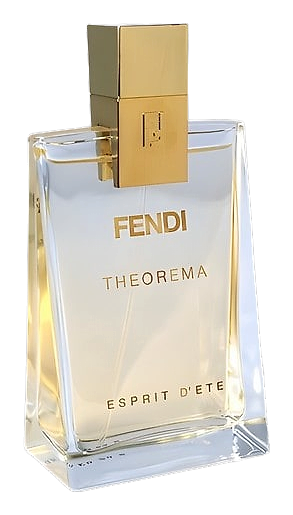
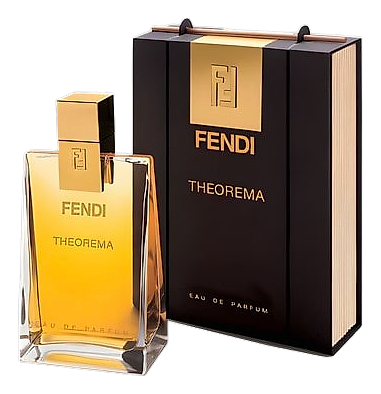
Theorema arrived in 1998 with a different kind of intention. Rather than disappearing on the skin, it was built to announce itself. The name itself invites consideration. Not the kind you wear to blend in. It presents warmth and spice in a composition that holds together across wear, creating a presence that draws attention without demanding it. The structure moves from an opening that establishes presence through to a base that maintains it, offering something that stays present rather than fading into the background. The overall impression is one of confident, sustained warmth that maintains its character from application through the full wear period, providing a consistent experience that doesn't shift into something unrecognizable as it develops.
What makes Theorema structurally unusual is its top-to-bottom commitment to warmth. Most oriental-spicy fragrances ease into their spice from a fresher opening, a citrus bridge, a green note, something to soften the landing. Theorema skips the buffer. Cardamom and nutmeg arrive together, sharp and aromatic, with black pepper riding underneath. The effect is immediate and unapologetic. This is also where the Brazilian rosewood matters, it adds a subtle woody sweetness that prevents the opening from feeling purely confrontational, a counterweight baked into the first minutes rather than waiting for the drydown.
The evolution
The first thirty minutes announce everything. Cardamom and nutmeg dominate, with citrus lifting the top just enough to keep the spices from overwhelming. There is a window where the rosewood asserts itself, a sweet, almost resinous woodiness that briefly softens the spice before the heart takes over. The handoff happens as the top notes begin to recede. Cinnamon becomes the lead, supported by carnation and osmanthus in a combination that reads as floral-spicy rather than purely warm. The osmanthus is notable here, apricot-tinged and quietly animalic, adding a dimension of depth that enriches the heart. Ylang-ylang contributes creaminess without sweetness, and the dog rose adds a faint green note that keeps the composition from flattening. As the fragrance continues to develop, the base arrives and maintains its presence.
Cultural impact
Theorema occupies a specific corner of 90s fragrance history with its warm, woody, confident oriental-spicy character. The osmanthus-carnation combination creates a floral-spicy character that stands apart from more conventional constructions. Its composition commits to spice without the fresh opening buffer that many contemporary releases include, giving it a different quality. The fragrance presents complexity that rewards attention, with the osmanthus contributing apricot-like tones that interweave with the spicier elements.
The House
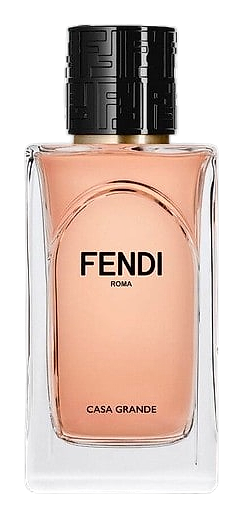
FendiFendi stands as one of Rome's defining luxury houses, rooted in a family story that began in 1925 when Adele Casagrande and her husband Edoardo Fendi opened their fur and leather atelier on via del Plebiscito. Over nearly a century, the Maison expanded from a specialized leather goods workshop into a globally recognized fashion house, accumulating a fragrance archive that spans decades. The brand's first major fragrance collection arrived in 2024, ahead of the 2025 centennial. Led today by the third and fourth generations of the founding family, Fendi brings its Roman identity into the world of fine fragrance, creating scents that reflect the city's textures, landscapes, and living heritage. The 2024 launch featured Casa Grande, a leather-forward fragrance dedicated to co-founder Adele Fendi, signaling the Maison's intention to treat its own story as the primary creative material.
The Creator
Christine NagelNagel occupies a distinctive space in contemporary perfumery, favoring sensual, textured compositions over the clean minimalism that dominated for decades. Her fragrances often feature unexpected contrasts: mineral and floral, salty and sweet, cool and warm.