





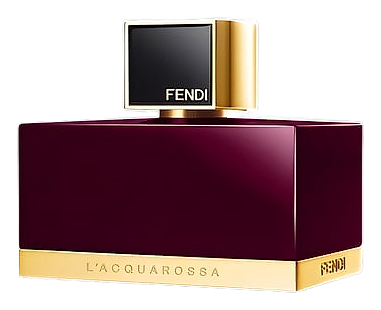






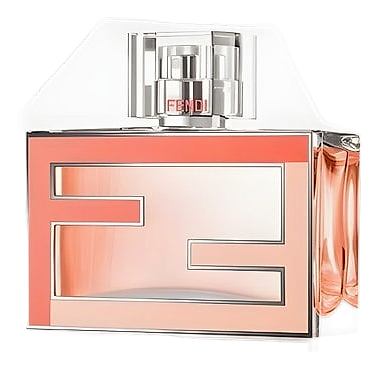
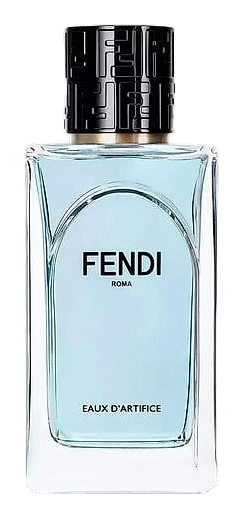
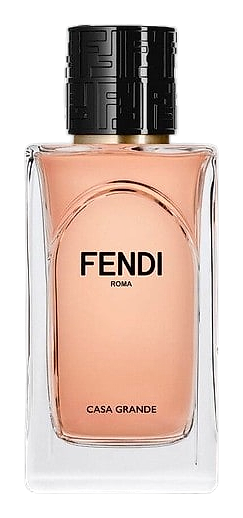




The Heritage
The Story of Fendi
Fendi stands as one of Rome's defining luxury houses, rooted in a family story that began in 1925 when Adele Casagrande and her husband Edoardo Fendi opened their fur and leather atelier on via del Plebiscito. Over nearly a century, the Maison expanded from a specialized leather goods workshop into a globally recognized fashion house, accumulating a fragrance archive that spans decades. The brand's first major fragrance collection arrived in 2024, ahead of the 2025 centennial. Led today by the third and fourth generations of the founding family, Fendi brings its Roman identity into the world of fine fragrance, creating scents that reflect the city's textures, landscapes, and living heritage. The 2024 launch featured Casa Grande, a leather-forward fragrance dedicated to co-founder Adele Fendi, signaling the Maison's intention to treat its own story as the primary creative material.
Heritage
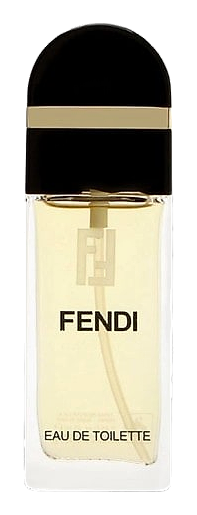
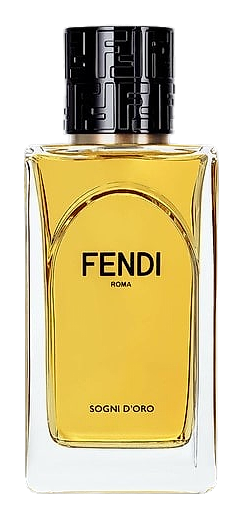
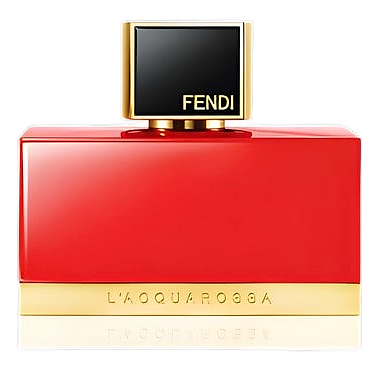
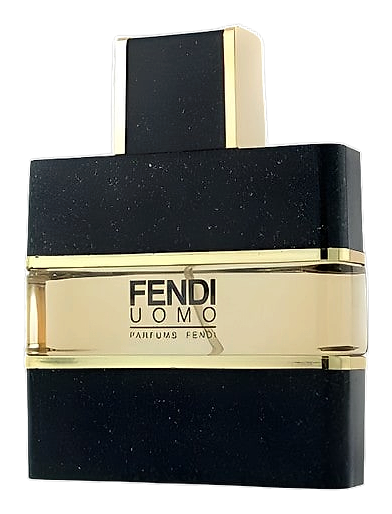
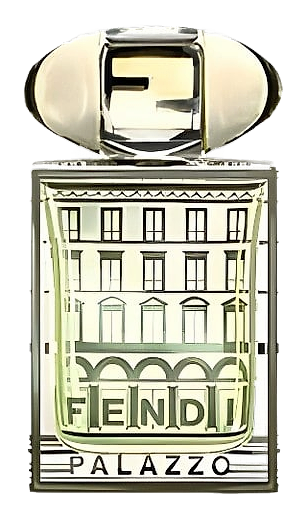
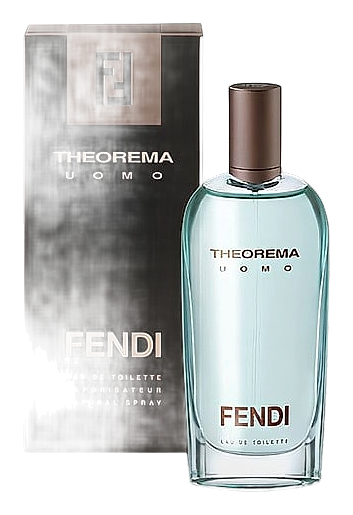
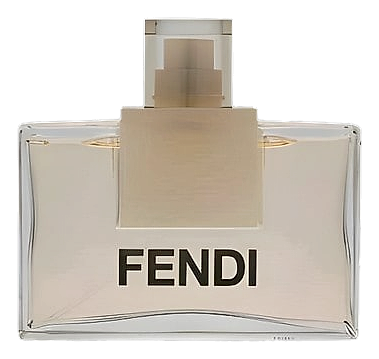
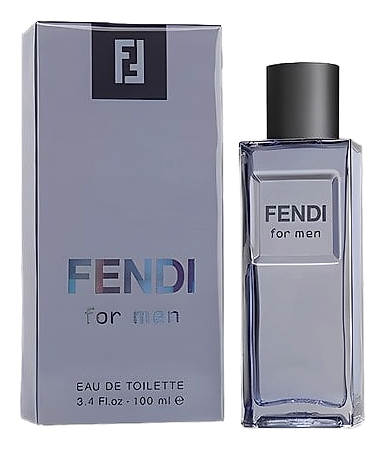
The story of Fendi begins in Rome in 1925, when Adele Casagrande and Edoardo Fendi established a boutique specializing in fur and leather goods on via del Plebiscito. Adele, trained in her family's leather trade, brought technical expertise alongside Edoardo to build what would become one of Italy's most enduring fashion houses. The business remained family-run through its early decades, and when Edoardo passed away, his five daughters known collectively as the 'five Fendi sisters' took over operations. Under their stewardship, the Maison underwent significant expansion, eventually attracting Karl Lagerfeld as creative director in 1965, a collaboration that would span over five decades and define Fendi's modern aesthetic. The family continued to guide the brand's direction into the 21st century, with third and fourth generations now at the helm. Throughout its history, Roman identity remained central to the Fendi identity, from the language of its advertising to the architecture of its flagship stores. While Fendi's roots were in fur and leather, fragrance entered the brand's portfolio early, with perfumes like Fendi (1985), Fendi Uomo (1988), and Theorema (1998) building a scattered but recognizable olfactory history. The 2024 launch of an integrated fragrance collection marked the first time Fendi approached perfumery as a cohesive long-term creative category rather than intermittent one-offs.
Craftsmanship
As a leather goods house at origin, Fendi brings manufacturing precision to its fragrance program that reflects its core expertise. The 2024 fragrance collection operates under the Maison's existing quality structures, developed using partners within the luxury fragrance supply chain. Ingredient sourcing for the collection draws from Italian and Mediterranean contexts, with floral materials reportedly coming from gardens within and near Rome. The Maison has referenced cultivating specific plant materials at properties connected to the family home, suggesting a dimension of traceability that connects to Fendi's history of controlling production from raw material to finished object. Leather, as the founding craft, shapes Fendi's fragrance work distinctly; Casa Grande places leather at the center of its construction, building around a leather-note accord rather than treating it as a supporting element. This positioning draws on the Maison's technical authority in leather, translating it into olfactory language. The combination of leather with incense and cherry in Casa Grande's composition reflects an intentional pairing of Adriatik's historical trade routes with the materials that defined the Fendi atelier. Quality processes follow luxury industry standards for concentration, longevity, and sourcing documentation.
Design Language
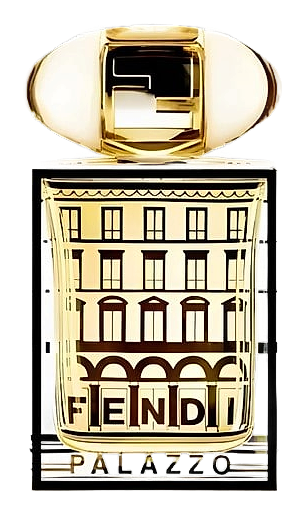
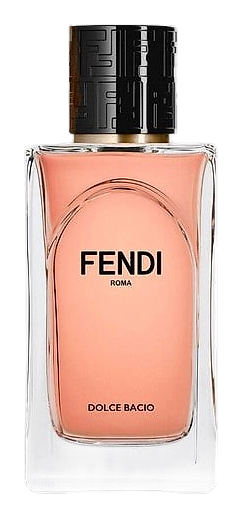
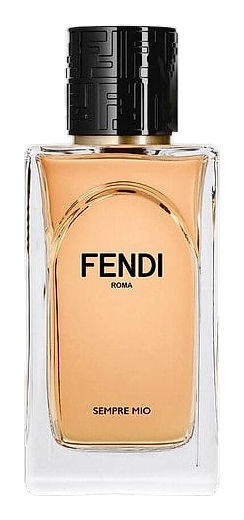
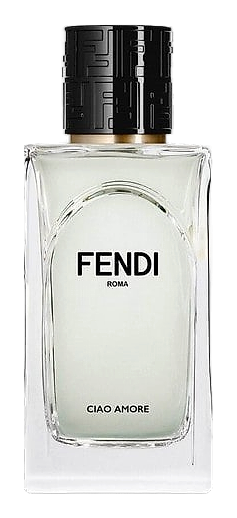
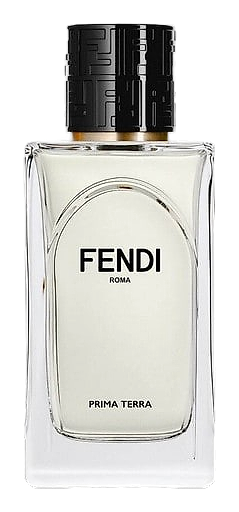
The visual language of Fendi's fragrance program extends the brand's established design vocabulary into glass and packaging. The FF logo, originally designed by Karl Lagerfeld in 1975, appears as a defining motif in the collection's bottle and packaging design, embedding the brand's graphic identity into the architecture of each fragrance. Clean geometry and Roman-influenced typography characterize the exterior presentation, with an emphasis on restraint over ornamentation. The bottles themselves reportedly draw on the aesthetic of Fendi's accessories design, referencing the clean lines and functional elegance of the Maison's leather goods rather than adopting the decorative flourishes common in luxury fragrance. Photography and campaign direction for the collection took place across Roman locations, including reportedly a family home in the Roman countryside and a rose garden within the city. This setting reinforces the brand's positioning as rooted in specific geography rather than aspirational abstraction. The aesthetic commits to the idea that Fendi's visual identity and its fragrance program should feel like products of the same sensibility, legible as a unified creative statement rather than a licensing exercise.
Philosophy
Fendi's approach to fragrance centers on the idea of the family archive, treating personal and brand history as the primary creative material. Casa Grande, the flagship of the 2024 collection, exemplifies this directing: the scent takes its name from Adele Fendi's preferred room in the family home and builds its structure around leather as an homage to the Maison's founding craft. The Maison has described its work in perfumery as an extension of its broader mission to create objects meant to be held, worn, and inherited. There is a practical dimension to this philosophy. Fendi draws on its experience as a leather goods house creating accessories designed for daily use. The brand's interest in Roman terroir shows in its sourcing, with ingredients ranging from materials grown in the Roman countryside to rose varieties cultivated in gardens within the city itself. Direction for the collection reportedly fell to Loïc Prigent, bringing a documentary sensibility to how the brand communicates its fragrance story. The underlying principle appears to be coherence between story and sensation, where each fragrance connects back to something specific in the Fendi experience rather than to generic luxury associations.
Key Milestones
1925
Adele Casagrande and Edoardo Fendi open their first fur and leather boutique on via del Plebiscito in Rome
1965
Karl Lagerfeld becomes creative director, beginning a more than 50-year creative partnership with the Maison
1975
Karl Lagerfeld designs the double-F logo, which becomes a defining element of Fendi's visual identity across all product categories
1985
The Maison releases its first eponymous women's fragrance, Fendi, adding fragrance to its product portfolio for the first time
2024
Fendi launches its first cohesive fragrance collection including Casa Grande and additional flankers, ahead of the brand's 100th anniversary in 2025
At a Glance
Brand profile snapshot
Origin
Italy
Founded
1925
Heritage
101
Years active
Collection
1
Fragrances released
Avg Rating
4.2
Community sentiment
Release Rhythm


