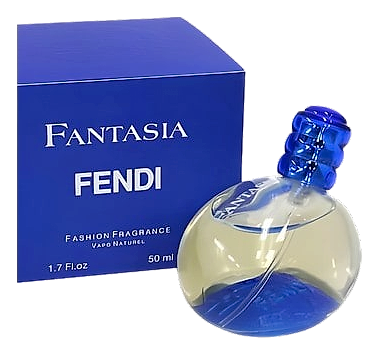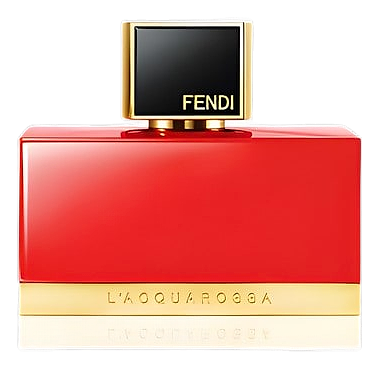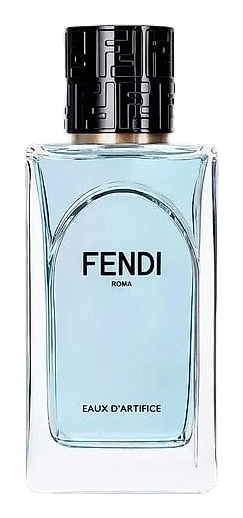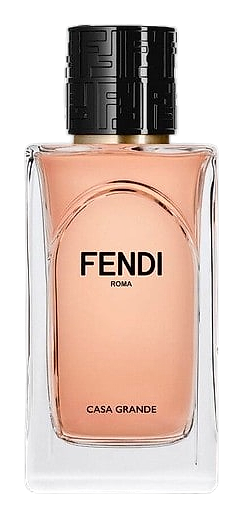

The Story
Why it exists.
The beginning
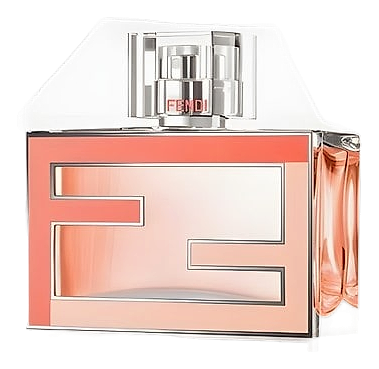
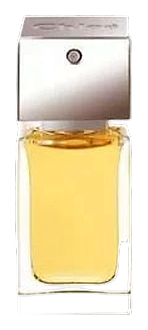
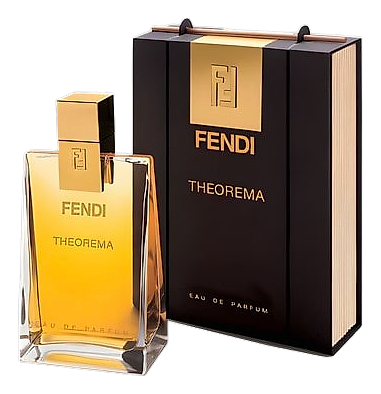
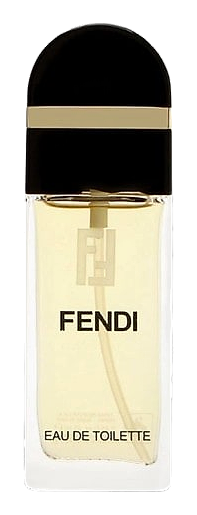
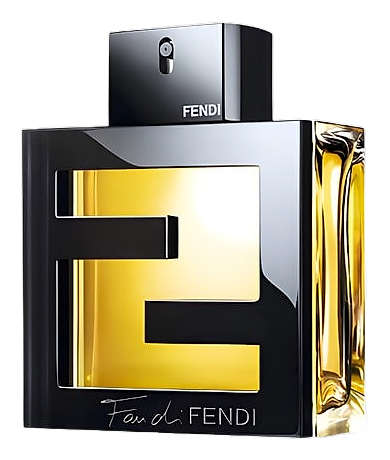
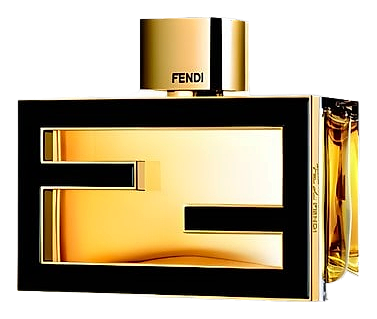
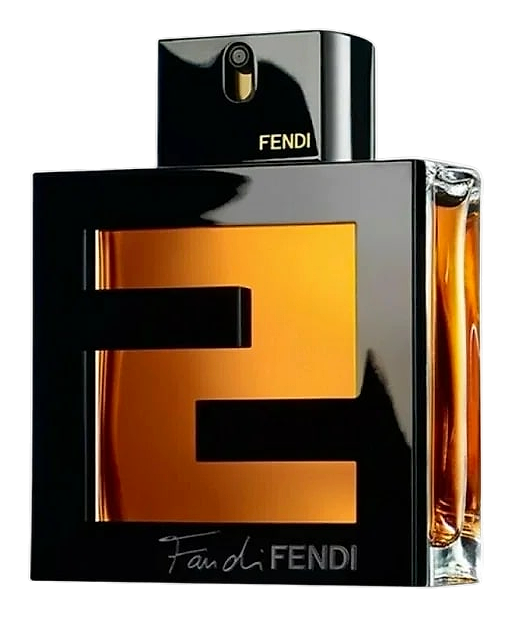
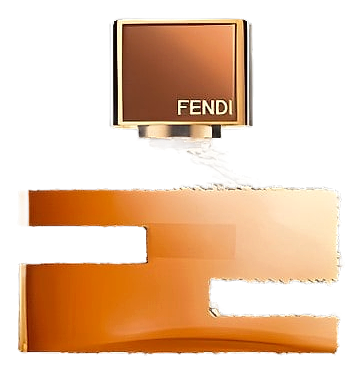
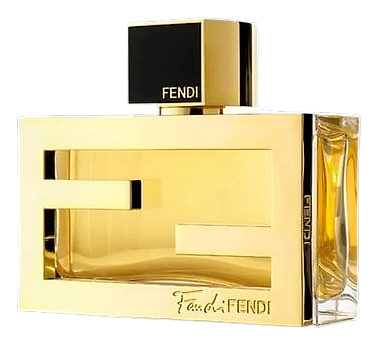
Fan di Fendi arrived in 2010 as part of Fendi's ongoing fragrance identity. Perfumers Delphine Lebeau-Krowiakj and François Demachy built this around a tension that Fendi understood from its leather goods origins. Blackcurrant and tangerine give the opening its brightness, a tart, fruity burst that feels confident and immediate. The floral heart brings cream, a rich and slightly buttery quality that softens the edges. But it's the leather that keeps the whole thing from floating away. The interplay between bright fruit, creamy florals, and supple leather creates a fragrance with real presence. Fendi's house signature, in other words, written in a different medium.
The white florals provide texture: jasmine's indolic creaminess, tuberose's almost buttery richness. Blackcurrant adds a tart, slightly animalic edge that keeps the sweetness honest. Patchouli in the base isn't just grounding, it's the final word, warm and slightly dry, the kind of finish that stays close to skin rather than announcing itself across a room. The overall effect is of a fragrance that balances creamy florals against a deeper, more grounded foundation, never letting one element overpower the others.
The evolution
The opening announces itself quickly: blackcurrant, tangerine, a whisper of pear. Bright and tart, with that slight animalic edge from the blackcurrant. Then the florals begin their bloom. Jasmine and tuberose arrive together, and the composition shifts from fruit to cream. The fruit softens over time, the blackcurrant deepening while the tangerine recedes. Rose appears more clearly now, lending a powdery softness to the tuberose. Patchouli begins its slow integration. Patchouli and leather come to dominate in their final form: dry, slightly sweet, textured. This is where the fragrance earns its longevity. The drydown is warm, intimate, close to the skin. It lingers.
Cultural impact
Fan di Fendi occupies a specific space: sophisticated but not cold, sweet but not frivolous. The leather and patchouli base give it character, a depth that sets it apart from more straightforward fruity-florals. It's a fragrance for someone who appreciates complexity over convention.
The House
FendiFendi stands as one of Rome's defining luxury houses, rooted in a family story that began in 1925 when Adele Casagrande and her husband Edoardo Fendi opened their fur and leather atelier on via del Plebiscito. Over nearly a century, the Maison expanded from a specialized leather goods workshop into a globally recognized fashion house, accumulating a fragrance archive that spans decades. The brand's first major fragrance collection arrived in 2024, ahead of the 2025 centennial. Led today by the third and fourth generations of the founding family, Fendi brings its Roman identity into the world of fine fragrance, creating scents that reflect the city's textures, landscapes, and living heritage. The 2024 launch featured Casa Grande, a leather-forward fragrance dedicated to co-founder Adele Fendi, signaling the Maison's intention to treat its own story as the primary creative material.
The Creator
Delphine Lebeau-Krowiakj & François DemachyDelphine favors a clear, linear architecture. She often begins with a dominant heart note—jasmine, rose, or a rare spice—then builds a supportive base of woods, resins, or ambergris.