
The Story
Why it exists.
The beginning
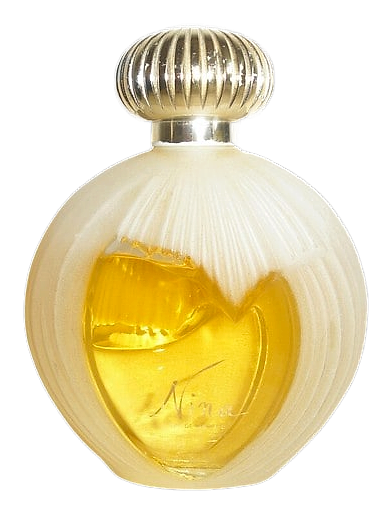
The composition centers on mimosa as its defining floral note. Mimosa brings a waxy, honeyed quality that feels almost indolic without crossing into animalic territory. The aldehydic softness gives the fragrance a genuinely tender character, reading as intimate rather than overstated. The powder accumulates naturally through the heart notes rather than being forced into the formula, creating something that feels organically soft. The result is a fragrance that captures tenderness in its most authentic form.
The top notes open with controlled brightness. Bergamot and lemon arrive first, green citrus that wakes the senses before the florals begin to unfold. Basil provides a herbal counterpoint that keeps the initial burst from becoming too sweet. Marigold appears early in the sequence, adding a distinctly green, slightly citrusy dimension that enriches the opening. As the heart develops, mimosa takes center stage, woven through with ylang-ylang, violet, jasmine, and rose. The mimosa is waxy and honeyed, almost indolic in its richness.
The evolution
The drydown reveals Nina's structural backbone. Oakmoss and civet form a grounded, earthy, animalic base that anchors the composition. Iris and musk soften everything into something talc-like, adding a powdery elegance that tempers the earthiness. Vetiver and sandalwood keep the base warm and woody, preventing the fragrance from becoming too austere. There's a subtle fruity sweetness throughout that keeps the drydown from feeling purely vintage. The effect is powdery, close to the skin, and lingering. On fabric, the scent can persist for extended periods, while on skin it moves through its phases gradually, opening bright, settling into powder, and warming close as it develops.
Cultural impact
Nina arrived in 1987 with a distinctive approach to floral composition. Rather than relying on expected rose or jasmine structures, the fragrance centers on mimosa as its primary floral. That choice gives it a waxy, honeyed quality that feels genuinely tender rather than performative. The aldehydic softness combined with powdery florals creates a different kind of femininity, softer and more intimate than many contemporaries. The mimosa-centric structure was unusual for the era, choosing a yellow floral with its own distinct character over more traditional choices.