Blackcurrant Syrup
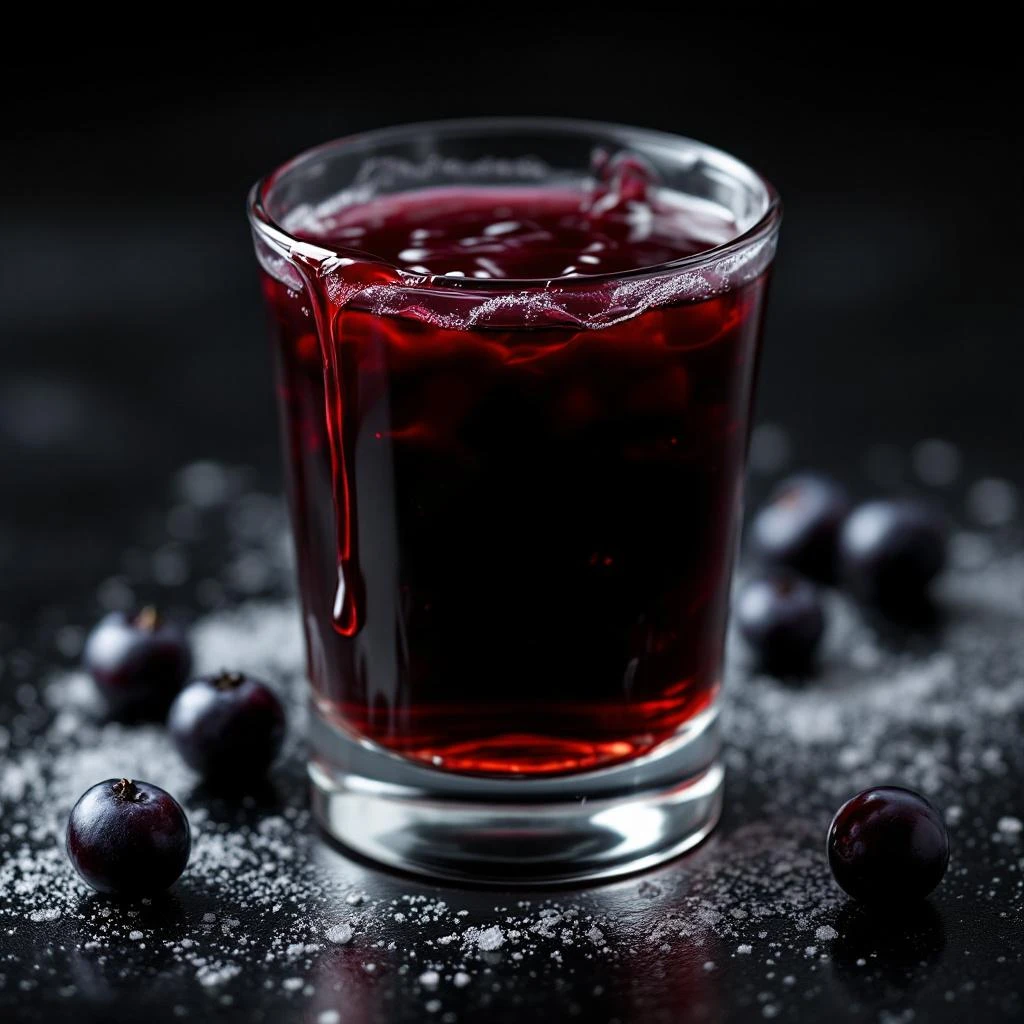
Blackcurrant syrup captures the intensely sweet-tart essence of sun-ripened berries reduced to a dark, viscous concentrate. In perfumery, this accord delivers the fruit's characteristic juiciness with a raisinated depth rarely found in fresh materials.
Character
How it smells
The dark, jeweled heart of summer preserved.
The famed French liqueur crème de cassis was first documented in Dijon in 1841, predating blackcurrant's perfumery use by nearly a century.









Origin
France
Blackcurrant (Ribes nigrum) grew wild across Northern Europe, thriving as far north as Lapland and Siberia, long before it entered perfumery. The fruit's culinary legacy dates to the Burgundy region, where the liquor crème de cassis made its first documented appearance in Dijon in 1841.
King Louis XIV helped popularize ratafia, a blackcurrant-infused spirit, at the French court after discovering it during a hunting excursion near Neuilly. However, perfumers did not seriously explore blackcurrant as a fragrance ingredient until the 1960s and 1970s.
The breakthrough came when Guerlain featured blackcurrant in Chamade (1969), demonstrating its potential as a bridge between green and red fruit notes. Today, the berry remains a signature of Grasse-based perfumery, prized for its ability to add juicy depth without overwhelming lighter compositions.
Wears it best
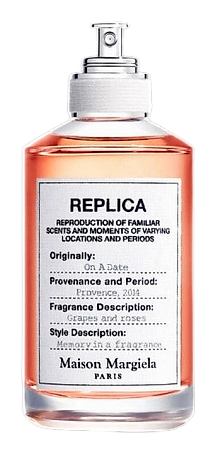
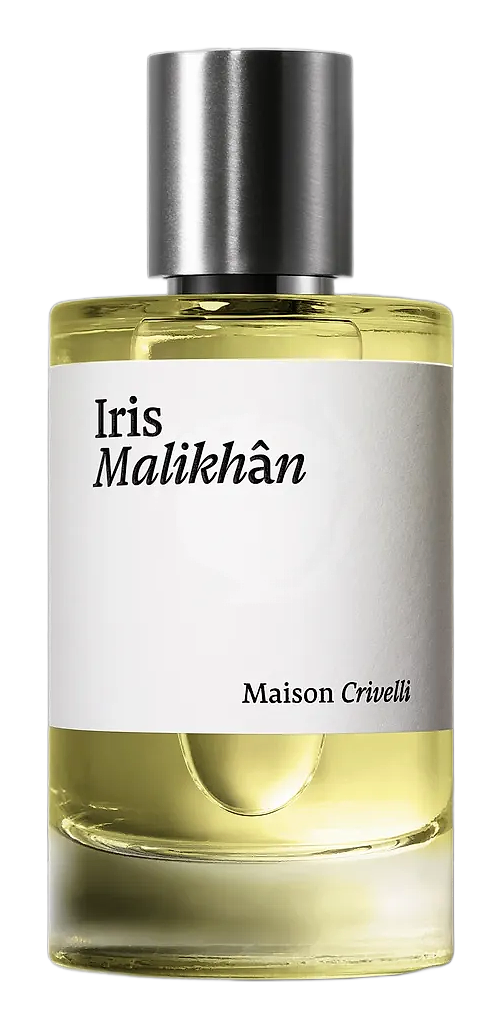
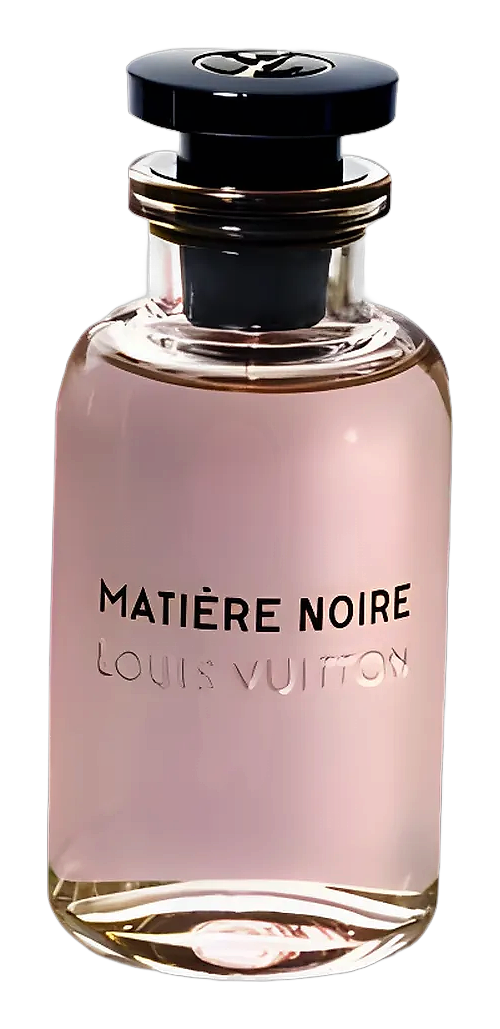
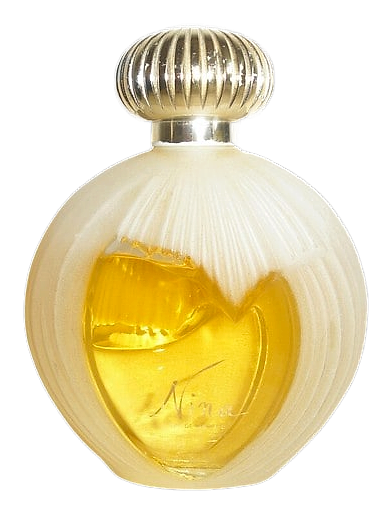
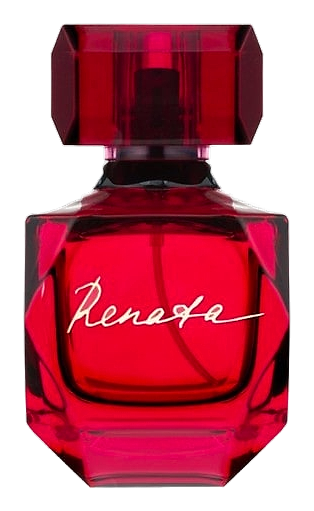
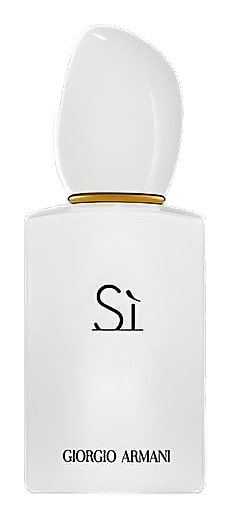
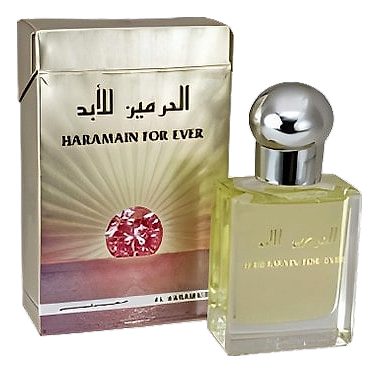
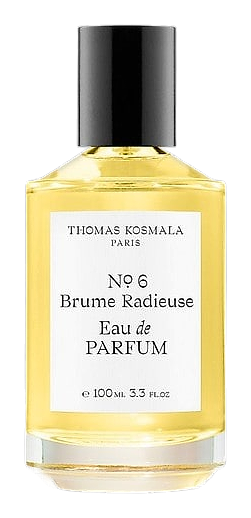
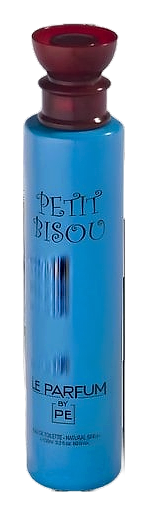
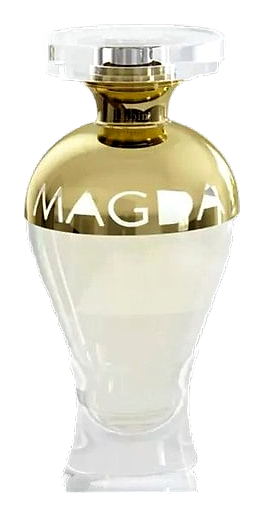
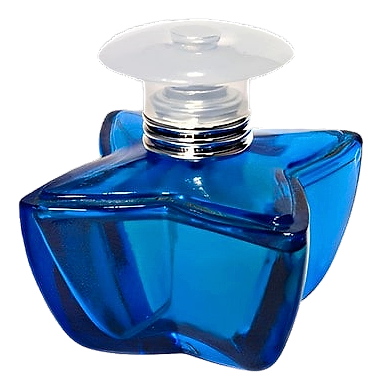
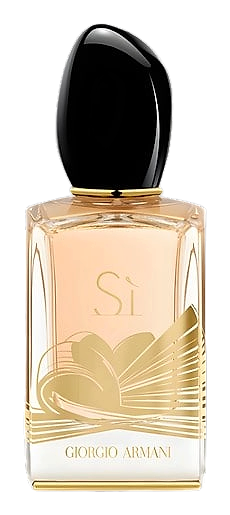
Fragrances featuring Blackcurrant Syrup
Brands
Brands known for Blackcurrant Syrup
Good to know
Questions, answered
The essentials on Blackcurrant Syrup in perfumery: how it smells, where it comes from, and how it behaves on skin.
What does blackcurrant smell like in perfume?
Blackcurrant in perfume delivers a sweet-tart, jammy character with green and wine-like facets. The bud absolute adds mentholated coolness while the berry note provides intense juiciness.
Is blackcurrant a natural or synthetic ingredient?
Blackcurrant absolute exists as a natural extract from solvent extraction of buds, but due to its high cost, most perfumers use blended accords combining natural and synthetic materials.
When did perfumers start using blackcurrant?
Blackcurrant first appeared as a notable perfumery ingredient in Guerlain's Chamade (1969), though systematic work on the note began in the 1960s-1970s.
What fragrance families pair well with blackcurrant?
Blackcurrant pairs excellently with florals like jasmine and rose, green notes including galbanum, and woody bases such as cedar and sandalwood for balance.
Why is blackcurrant expensive in perfumery?
Blackcurrant absolute commands premium prices because the buds must be harvested by hand at a precise time, and solvent extraction yields relatively small amounts of concrete.
Does blackcurrant have any animalic notes?
Blackcurrant bud absolute can exhibit subtle animalic qualities described as feral or gamey, which perfumers manage through careful blending and complementary ingredients.
Where does quality blackcurrant grow?
Premium blackcurrant thrives in the cool climates of Northern Europe, particularly regions spanning from France to Scandinavia and into Siberia, with Grasse serving as a key processing center.
Can blackcurrant stand as a solo note in fragrance?
Blackcurrant typically functions as a supporting note that adds fruity depth, though in Chypre and fruity-floral compositions it can anchor the heart with its distinctive tart-sweet character.