
The Story
Why it exists.
The beginning
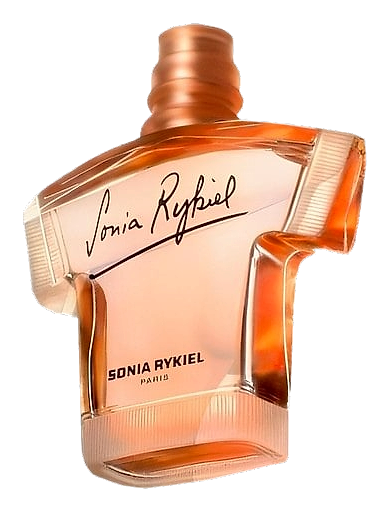
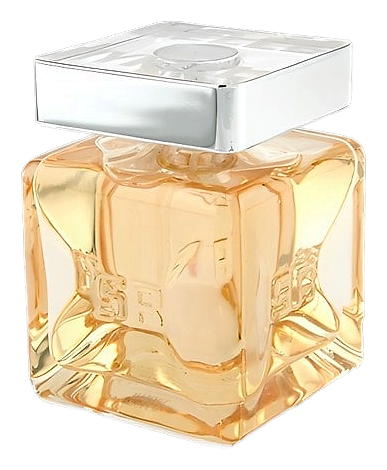
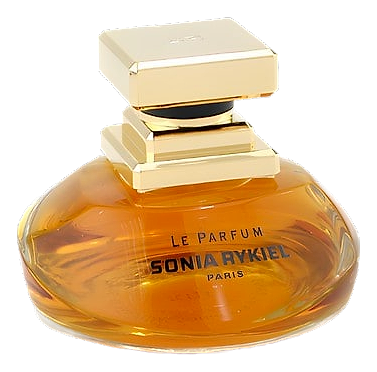
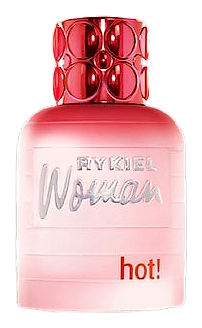
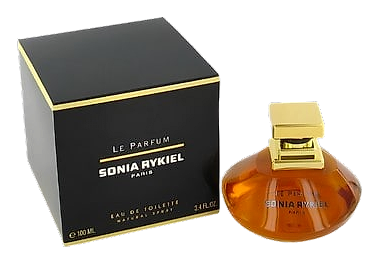
Richard Ibanez created Le Parfum in 1993 for Sonia Rykiel. The composition refused to be quiet, offering a bold presence that announced itself without hesitation. The fragrance gave the house two expressions of the same creative idea, softer and bolder, intimate and announced, but carrying the same essential character. Opening with hinoki wood, passion fruit, and strawberry, the scent introduces aromatic, slightly medicinal notes alongside fruit that could tip toward syrupy sweetness. The aldehydes prevent that from happening, lifting and sharpening the opening into something with an edge. White honey, carnation, and orris root form the heart's backbone, giving the florals a powdery, slightly spicy warmth that feels earned rather than decorative.
What makes Le Parfum worth knowing is its structure. The hinoki wood is the first surprise: aromatic, slightly medicinal, more Japanese temple than French boutique. Paired with passion fruit and big strawberry, the opening could easily tip into something syrupy and adolescent. The aldehydes are what keep that from happening, they lift and sharpen, turning sweetness into something with an edge. White honey, carnation, and orris root form the heart's backbone, giving the florals a powdery, slightly spicy warmth that feels earned rather than decorative.
The evolution
The opening hits fast, aldehydes sparkling against fruit, hinoki wood bringing an aromatic lift that keeps the sweetness from getting soft. Within twenty minutes the florals arrive, but they don't overwhelm. Jasmine and rose move in quietly alongside the honey, and the carnation adds a spice that prevents the whole thing from flattening into potpourri. By the second hour the drydown has taken hold. Amber and benzoin deepen everything, the vanilla hums underneath, and the oakmoss arrives late to ground the composition in something resinous and close. The hinoki wood continues to echo through the mid-wear, its aromatic presence preventing the fruit from ever fully settling into sweetness. On fabric it lasts into the next day, and the sillage remains noticeable throughout an extended wearing period.
Cultural impact
The 1993 release introduced hinoki wood in the opening, an aromatic note that brings slight medicinal character, more Japanese temple than French boutique. The aldehydes thread through the fruit to give it an edge that keeps it from reading as merely pretty. Passion fruit and strawberry could easily tip toward syrupy sweetness, but the aldehydes lift and sharpen, turning sweetness into something with an edge. White honey, carnation, and orris root form the heart's backbone, giving the florals a powdery, slightly spicy warmth that feels earned rather than decorative.
The House
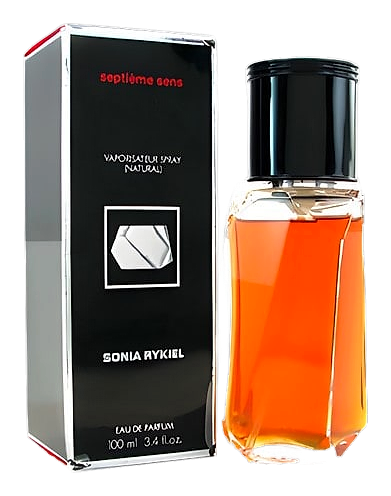
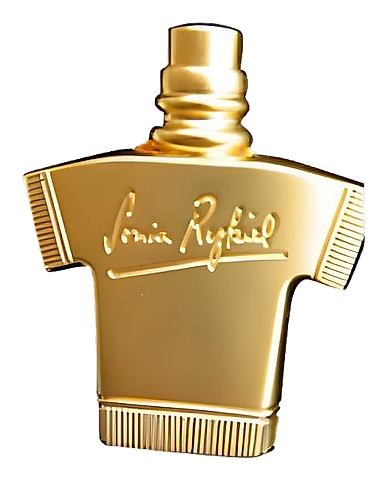
Sonia RykielSonia Rykiel built a fragrance house that embodied the liberated spirit of Parisian fashion. Her brand translated the tactile pleasure of knitwear, the warmth of familial design, and the intellectual confidence of her writings into scent. The fragrances carry a distinctly French sensibility without relying on conventional florals or predictable oriental structures. From the pioneering Septieme Sens in 1979 to the gender-spanning collections of the 2000s, the house maintained a reputation for olfactory storytelling that felt personal rather than commercial. Richard Ibanez, who composed the 1997 eponymous fragrance, understood the balance between gourmand warmth and aromatic restraint that defined the Rykiel aesthetic. Today the fragrance house operates within the Selective Beauty Luxury division, preserving a legacy that began with one designer's refusal to line her garments with traditional labels.
The Creator
Richard IbanezRooted in Robertet's naturals heritage, Ibanez gravitates toward ingredients that carry genuine botanical character rather than synthetic facsimiles. His work spans surprising territory: he composed the effervescent Gimgembre with its champagne-like grapefruit and candied ging…