
The Story
Why it exists.
The beginning
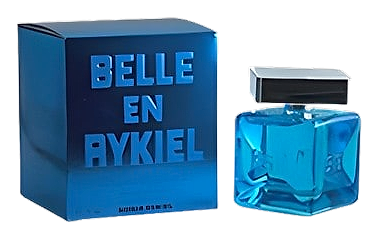
Belle en Rykiel EDT arrived as the brighter, airier counterpart to its EDP sibling, offering the house's signature warmth in a lighter form. The fragrance opens with a salvo of citrus: yuzu, tangerine, green apple, and bergamot, each contributing to an overall impression of brightness. The composition is credited to Jean-Pierre Béthouart, who populated the top notes with crisp, vivid materials that announce themselves confidently. Green apple brings its characteristic tartness, while citrus elements contribute their aromatic oils and zest. The overall effect is an opening that feels immediate and refreshing, designed for someone who wants vibrancy without heaviness.
The unusual choice here is lavender sitting in the heart alongside lily of the valley and orange blossom. Lavender can read as medicinal or austere in certain compositions, but here it takes on a different role. The incense and ambergris in the drydown owe more to the EDP's structure than to typical EDT fare, which makes the composition feel considered rather than diluted. The patchouli keeps everything grounded without tipping into earthiness.
The evolution
The opening is immediate: green apple arrives sharp and present, with bergamot and yuzu arriving to complement the composition. Thirty minutes in, the citrus remains present but the florals begin to assert themselves, lily of the valley leading, with orange blossom underneath and rose adding quiet warmth. The lavender makes itself known around the one-hour mark, lending an aromatic quality that bridges freshness and depth. By the second hour, the drydown begins its slow take-over. Ambergris and musk create skin-close warmth, while frankincense and patchouli provide a resinous, almost meditative depth. On fabric, the fragrance fades to a quiet whisper of musk and patchouli that can linger into the next day.
Cultural impact
Belle en Rykiel EDT carved its place as the accessible, versatile sibling within the Rykiel fragrance line. The green apple and yuzu opening placed it in the citrus-fresh category, while the lavender heart and resinous drydown kept it recognizably within the house's established olfactory territory. The composition balances freshness with depth, offering a fragrance that feels both contemporary and connected to the brand's heritage. Sillage is moderate, allowing the wearer to experience the full arc of the fragrance without overwhelming surrounding space.
The House
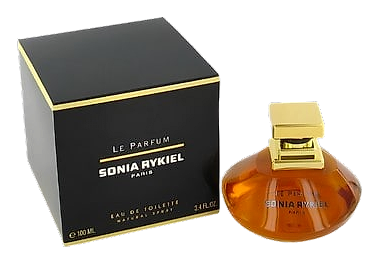
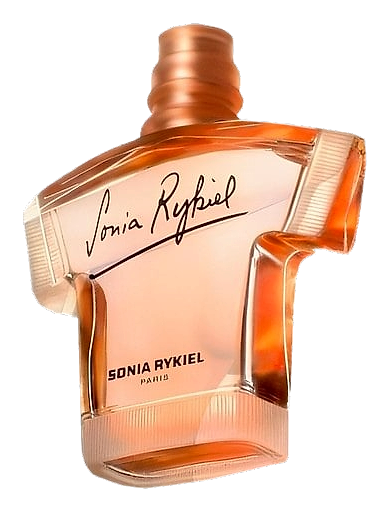
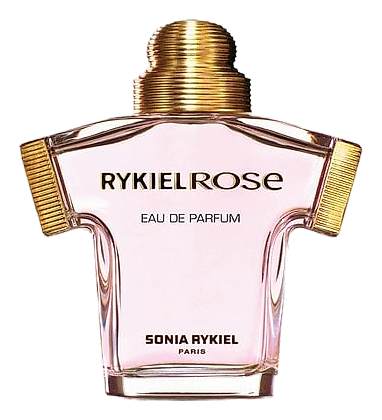
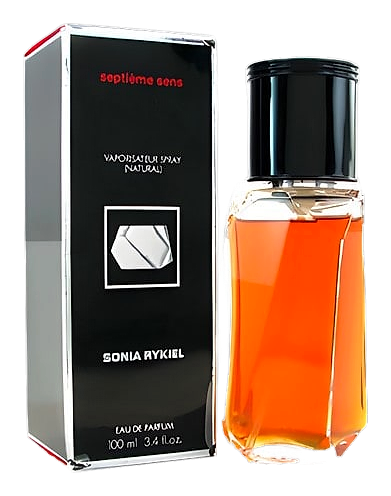
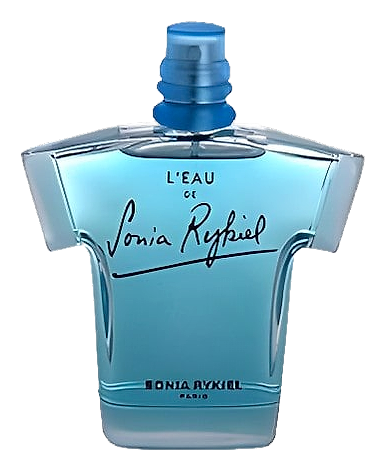
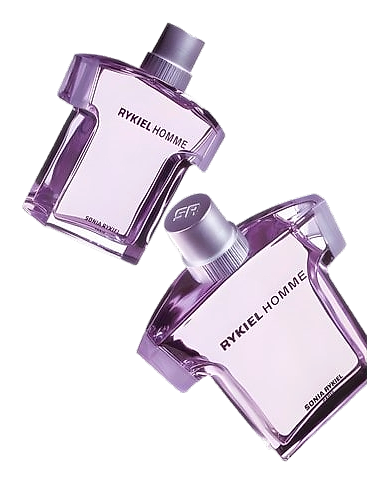
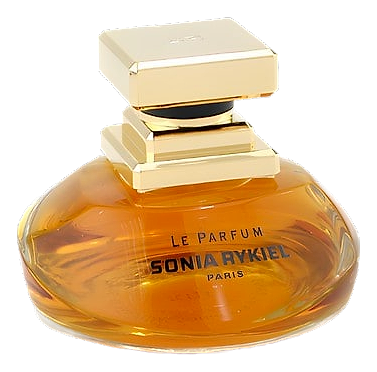
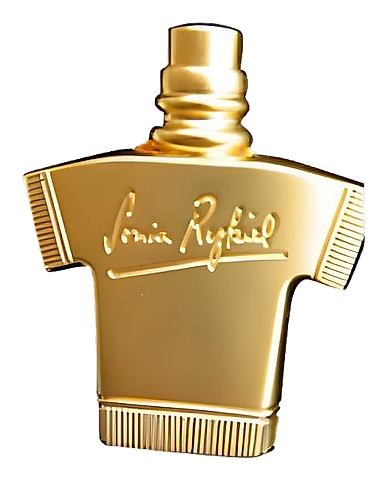
Sonia RykielSonia Rykiel built a fragrance house that embodied the liberated spirit of Parisian fashion. Her brand translated the tactile pleasure of knitwear, the warmth of familial design, and the intellectual confidence of her writings into scent. The fragrances carry a distinctly French sensibility without relying on conventional florals or predictable oriental structures. From the pioneering Septieme Sens in 1979 to the gender-spanning collections of the 2000s, the house maintained a reputation for olfactory storytelling that felt personal rather than commercial. Richard Ibanez, who composed the 1997 eponymous fragrance, understood the balance between gourmand warmth and aromatic restraint that defined the Rykiel aesthetic. Today the fragrance house operates within the Selective Beauty Luxury division, preserving a legacy that began with one designer's refusal to line her garments with traditional labels.
The Creator
Jean-Pierre BéthouartBéthouart's work tends toward warm, enveloping textures that linger close to the skin. He is particularly adept with contrasts between crisp top notes and creamy, almost powdery bases, a tension that gives his creations their characteristic push and pull.