
The Story
Why it exists.
The beginning
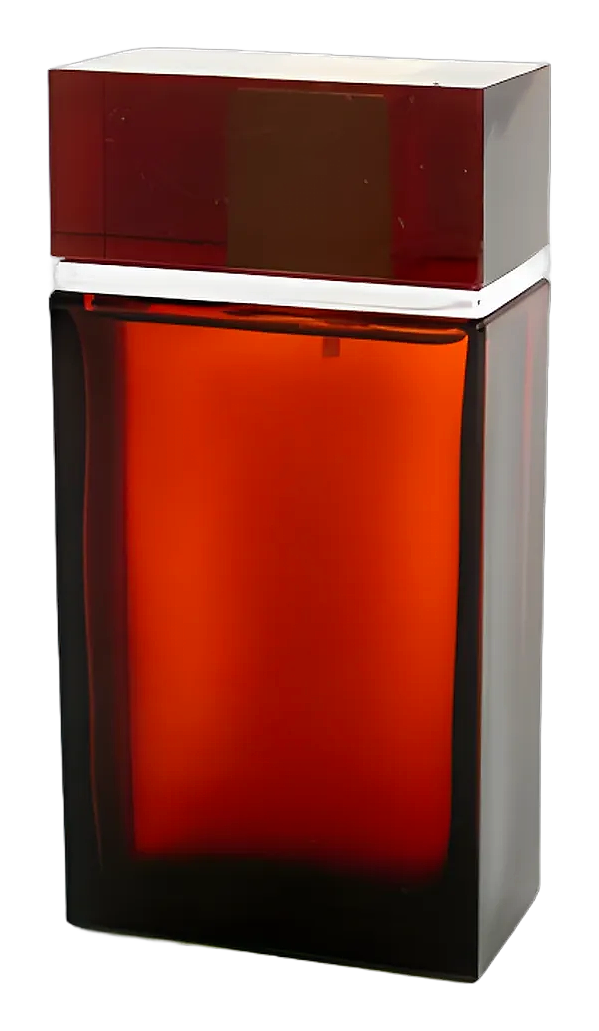
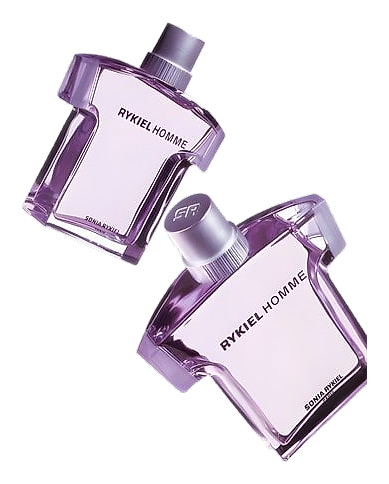
Jean-Marie Santantoni built Rykiel Homme in 1999 to capture what the era felt like: bright, forward-looking, alive with possibility. The brief wasn't complicated, translate optimism into scent. Santantoni reached for yuzu, a Japanese citrus still rare in Western perfumery at the time, and paired it with fig leaf and vetiver. The result was a fresh fragrance that didn't apologize for its warmth. It arrived during a cultural moment when anything seemed possible, when the internet promised more than it delivered and the stock market climbed for no particular reason. Rykiel Homme smelled like that, clean, confident, and quietly optimistic. It didn't shout. It didn't need to.
What makes this composition interesting is the tension Santantoni set up between two worlds. Yuzu is tart, almost austere, a citrus that doesn't sweeten, that stays sharp. Fig leaf is its opposite: green but yielding, quietly aromatic. On French skin, in a French bottle, this combination reads differently than it would in a Japanese context. It's East meets Left Bank, the tartness of one tradition softened by the warmth of another. The jasmine in the heart isn't ornamental. It bridges the gap between the bright opening and the woody base, adding a white floral dimension that keeps the fragrance from reading as purely masculine. Santantoni understood that freshness needs somewhere to land, or it just disappears.
The evolution
The opening hits within seconds, yuzu and mint arriving together, grapefruit adding tart lift. It reads clean and immediate, almost cool enough to sting. This phase lasts about an hour, sharp and declarative. Around the ninety-minute mark, the citrus recedes and violet leaf takes over as the dominant impression, green, slightly metallic, the smell of stems broken in a garden rather than flowers. Jasmine arrives quietly beneath it. The heart is intimate rather than announced. By hour three, vetiver and sandalwood form the drydown. It's dry without being harsh, warm without being sweet. A touch of vanilla through the styrax adds just enough softness to keep the base from reading as austere. The sillage is moderate throughout, present for the first hour, then intimate and close. You catch traces of it on your own skin for four to six hours without ever filling a room. That's the trade-off. Rykiel Homme doesn't announce itself. It stays.
Cultural impact
Rykiel Homme arrived in 1999, when the cultural mood was optimistic and the fragrance landscape reflected that. Bright, fresh scents dominated, before the 2000s introduced darker, more complex masculine directions. Santantoni captured that late-90s brightness, green, clean, quietly confident. The fragrance never sought attention. It earned it. Those who remember it often describe it as the scent of a specific moment: warm weather, light clothes, a sense that the future was arriving on schedule. It's discontinued now, which has made it harder to find but also more interesting to those who remember it.