
The Story
Why it exists.
The beginning
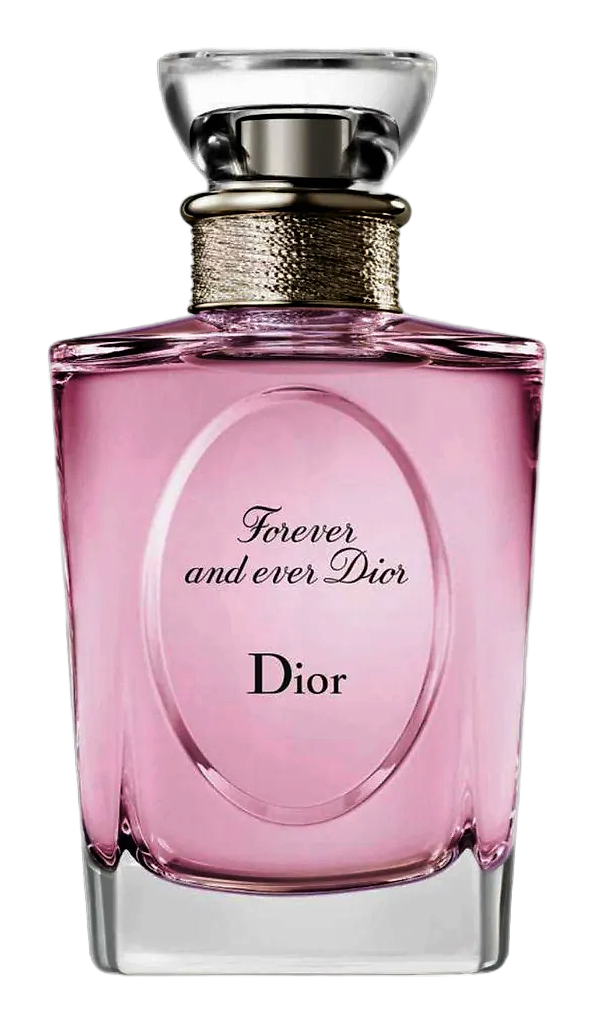
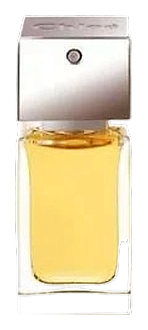
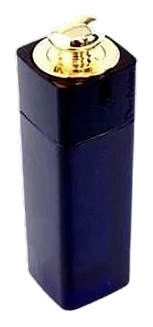
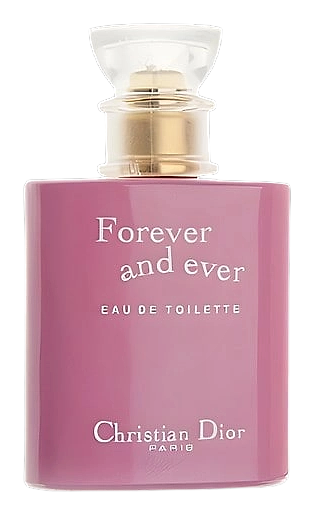
Jean-Pierre Béthouart created Forever and Ever as part of Dior's Les Créations de Monsieur Dior, a collection of more personal, artistic fragrances that sit apart from the house's blockbuster flankers. The result is a fragrance built around rose, not the loud, heady kind, but something quieter and more truthful, surrounded by enough freshness to keep it from settling into nostalgia. Freesia, ivy, jasmine at the top. Rose and geranium in the heart. A warm base of vanilla, musk, and nutmeg to finish. Béthouart's skill shows in the balance: nothing fights, nothing announces itself, but nothing disappears either.
What makes Forever and Ever work is the geranium. In most rose fragrances, the heart is a straightforward floral affair, pretty, expected, done. Here, geranium brings an aromatic, slightly green lift that keeps the composition from becoming predictable. The nutmeg in the base does quiet work too, bridging the florals to the vanilla and musk without adding heat. It's a small trick, but it means the drydown doesn't just fade, it evolves into something different from what came before, warm and close without being heavy.
The evolution
The first minutes belong to freesia and jasmine. Bright, cool, almost dewy. Ivy keeps it grounded, a green note that reads more as freshness than as fragrance. The rose arrives in its own time, soft and powdery, with the geranium adding a subtle herbal edge that stops the florals from becoming cloying. The almond blossom does quiet work in the background, lending the heart a creamy quality that makes everything feel unified. Then the base kicks in. Vanilla takes over, wrapping around the musk and nutmeg. The whole thing settles into something close and intimate, a soft, warm drydown that stays near the skin for hours. There's evolution here, a sense that the fragrance is doing something deliberate rather than simply wafting away.
Cultural impact
Forever and Ever occupies a particular corner of the Dior catalog: a delicate floral that doesn't try to be iconic. It's not a statement fragrance, not a crowd-pleaser in the obvious sense. It's the kind of scent that someone chooses when they already know what they like. Wearers tend to be Dior devotees who appreciate the house's rose-forward approach but want something quieter than J'adore or Miss Dior. This one holds up as a reference for what a tender rose can do when it doesn't have to shout. It asks nothing of you except that you lean in close enough to smell it, and that's exactly the point.