The Story
Why it exists.
The beginning
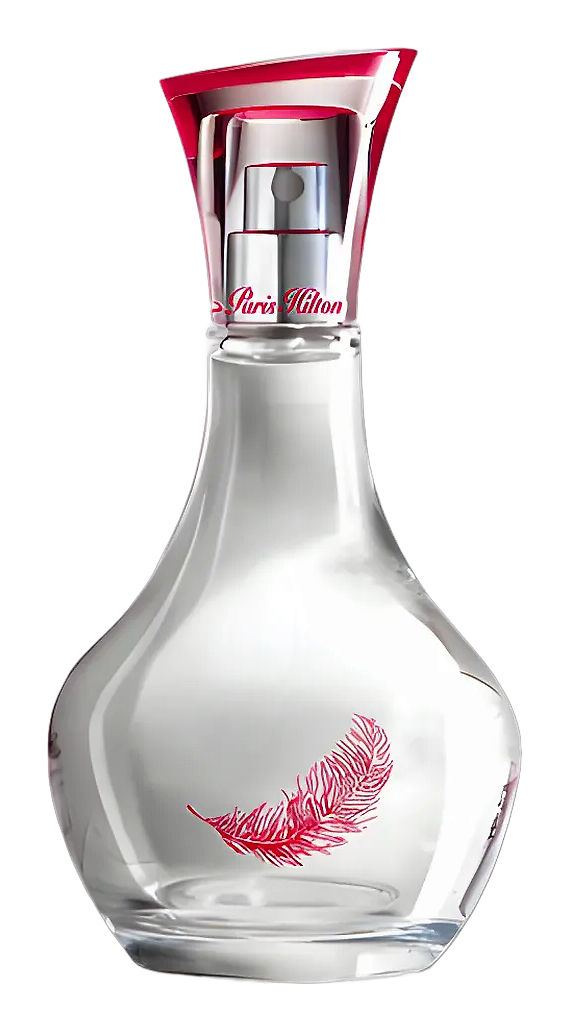
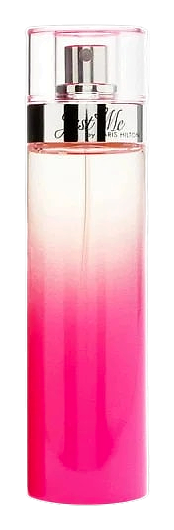
Just Me arrived in 2005 as the second chapter in a celebrity fragrance empire that was still figuring itself out. The first Paris Hilton perfume had proven that her name alone could move product, now the question was what came next. Steve DeMercado built this one around a single idea: less is more. Where other celebrity scents leaned into sugar bombs and sillage that could clear a room, Just Me kept things close, wearable, almost shy. The name says it all, this wasn't about transformation. It was about being yourself, just more of it.
The heart of this fragrance is the essence of Paris, vibrant violet, delicate lily of the valley, rich iris, watery freesia petals, and elegant white rose. That official description tells you what DeMercado was after: a composition that feels like a memory rather than a statement. The violet provides the powdery anchor, the freesia adds a watery freshness that keeps it from going full retro, and the Tahitian vanilla in the base brings warmth without sweetness. It's the powder-to-freshness balance that makes this interesting, old enough to feel familiar, contemporary enough to wear today.
The evolution
The opening hits fast, pink pepper and bergamot spark for about fifteen minutes before the florals take over. The raspberry is barely there, a suggestion more than a note. What you're left with is the freesia, cutting through the white rose with something almost dewy. The drydown arrives around the one-hour mark: Tahitian vanilla, Egyptian sandalwood, and musk that stays close to the skin. The whole thing lasts three to four hours on most people. On dry skin, less. On oily skin, it stretches toward the end of a workday. The sillage is intimate by design, someone standing next to you will notice, someone across the room won't.
Cultural impact
Just Me sits in the mid-2000s celebrity fragrance moment, a time when celebrity perfumes were building blocks of the industry, not afterthoughts. It offered something different from the sugar-forward launches of that era: restraint, powder, and a drydown that felt like skin rather than dessert. The moderate sillage and three-to-four-hour wear time made it a daily wear option rather than a special occasion piece. That positioning, accessible, unintimidating, and reliably pleasant, is what kept it in rotation for buyers who wanted something pretty without effort.