    Brand Profile

    Paris Hilton entered the fragrance market in 2004 with a self‑titled scent that quickly attracted attention beyond the celebrity sphere. Ove…More

    United States·Est. 2004·Site

    3.3

    Rating

    Just Landed

    New Arrivals

    The latest additions to the Paris Hilton collection.

    31
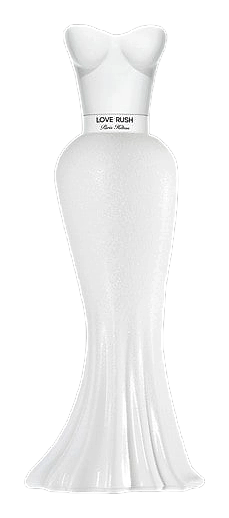
    Love Rush by Paris Hilton
    3.3

    Love Rush

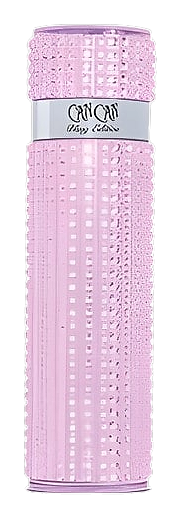
    Can Can Bling Edition by Paris Hilton
    Best Seller
    4.6

    Can Can Bling Edition

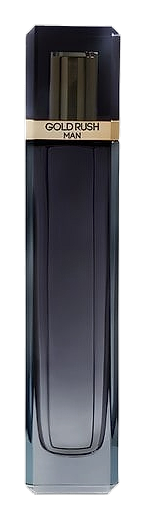
    Gold Rush Man by Paris Hilton
    Best Seller
    4.3

    Gold Rush Man

    Paris Hilton Limited Edition Anniversary Fragrance by Paris Hilton
    Best Seller
    4.2

    Paris Hilton Limited Edition Anniversary Fragrance

    Dazzle by Paris Hilton
    4.2

    Dazzle

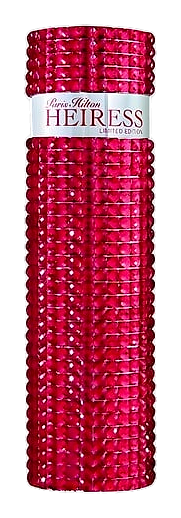
    Heiress Limited Edition by Paris Hilton
    4.2

    Heiress Limited Edition

    Can Can Burlesque by Paris Hilton
    4.1

    Can Can Burlesque

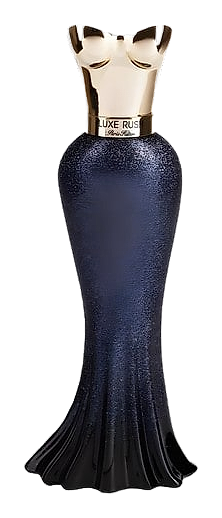
    Luxe Rush by Paris Hilton
    4.1

    Luxe Rush

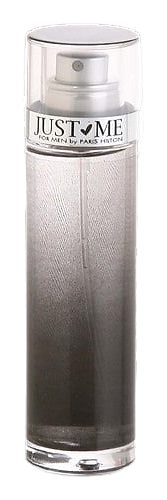
    Just Me for Men by Paris Hilton
    4.1

    Just Me for Men

    Ruby Rush by Paris Hilton
    4.1

    Ruby Rush

    Paris Hilton for Men by Paris Hilton
    4.0

    Paris Hilton for Men

    Gold Rush by Paris Hilton
    4.0

    Gold Rush

    1 of 3

    The Heritage

    The Story of Paris Hilton

    Paris Hilton entered the fragrance market in 2004 with a self‑titled scent that quickly attracted attention beyond the celebrity sphere. Over the next two decades she released a steady stream of limited editions, men’s versions, and seasonal flanks, building a portfolio that now exceeds thirty distinct bottles. The line has been noted in business reports for generating multi‑billion‑dollar revenue, making it one of the longest‑running celebrity fragrance programs in the United States.

    Heritage

    The first Paris Hilton perfume arrived in stores in 2004, marketed as Paris Hilton for Women. Early press coverage highlighted the launch as a new model for celebrity branding in the scent industry. By 2006 she expanded the range with Just Me for Men, one of the few male fragrances attached to a female celebrity at the time. The following years saw a series of themed releases – Dazzle in 2012, Can Can Burlesque in 2014, and a limited‑edition anniversary fragrance in 2015 – each tied to a specific event or personal milestone. In 2016 the Heiress Limited Edition arrived, followed by Gold Rush and its 2017 companion, Gold Rush Man, which reinforced the brand’s dual‑gender strategy. The 2019 launch of Luxe Rush introduced a more gourmand profile, while Ruby Rush in 2022 added a deep, fruit‑forward composition. Independent business analyses note that by 2020 the fragrance portfolio had generated over $2.65 billion in gross revenue, a figure that underscores the commercial durability of the line. Throughout its history the brand has partnered with established perfume houses and major retailers, ensuring wide distribution across North America, Europe, and Asia. The consistent release schedule, combined with seasonal limited editions, has kept the brand visible in department‑store aisles and online marketplaces for more than a decade.

    Craftsmanship

    Production of Paris Hilton fragrances follows the standard industry workflow used by large‑scale perfume houses. Formulations are developed by external perfumers hired through established fragrance houses, a practice confirmed by trade reports that list Coty and other major manufacturers as partners on several releases. Ingredients are sourced from global suppliers that meet the safety and quality standards required by the International Fragrance Association (IFRA). Each batch undergoes laboratory testing for stability, skin compatibility, and scent consistency before approval for mass production. The brand’s packaging is produced in facilities that comply with U.S. Consumer Product Safety Commission regulations, ensuring that bottles, caps, and sprays meet durability and safety criteria. Quality control includes both in‑house checks and third‑party audits, a routine noted in supply‑chain disclosures from the parent company. While the scent concepts are driven by Hilton’s personal input, the technical execution relies on the expertise of seasoned chemists and production teams that handle large‑volume releases for retail distribution.

    Design Language

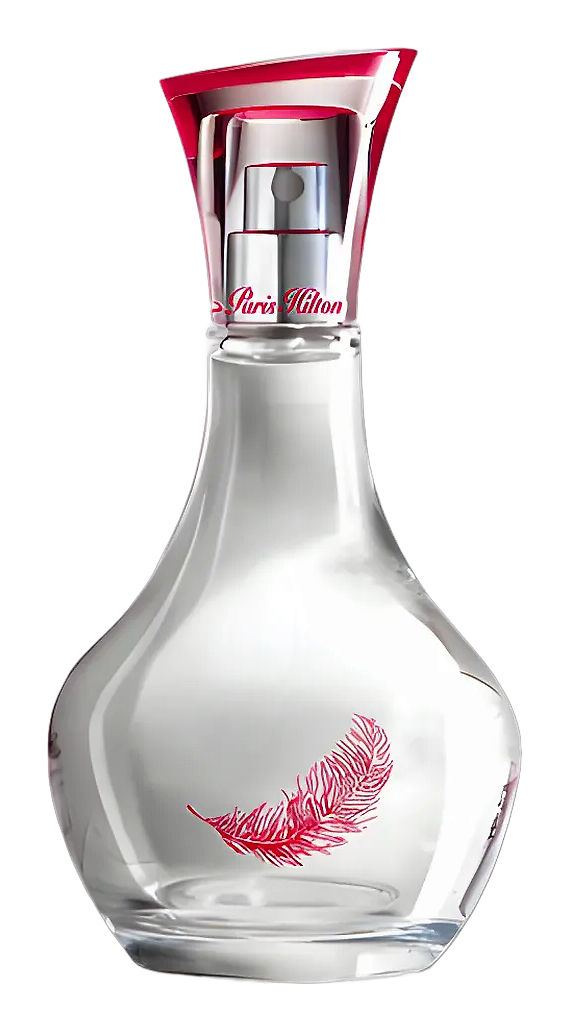
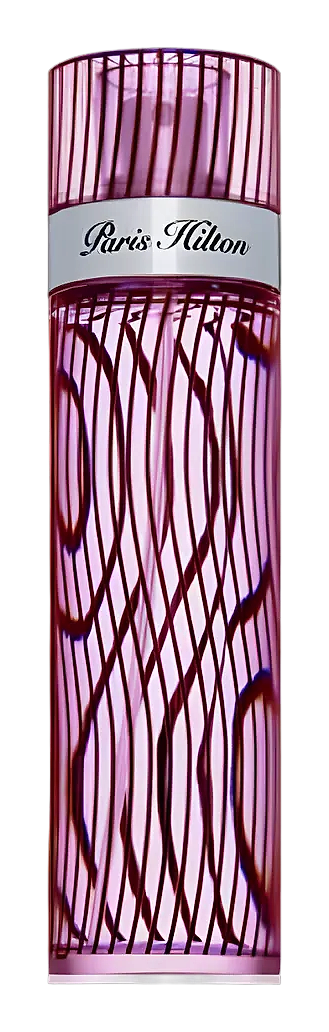
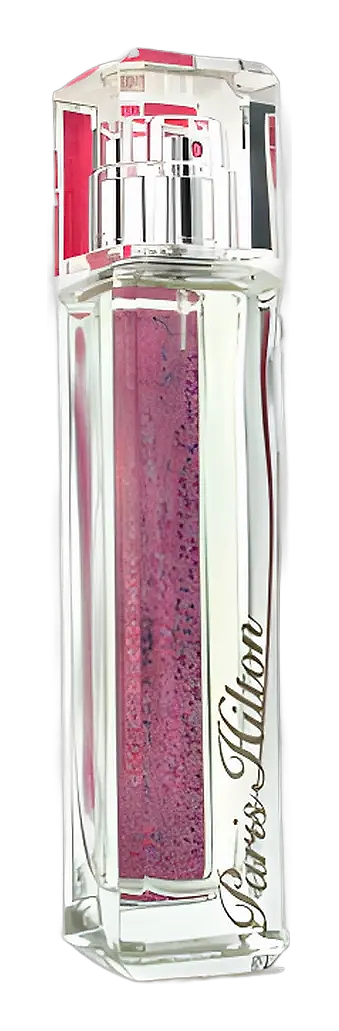
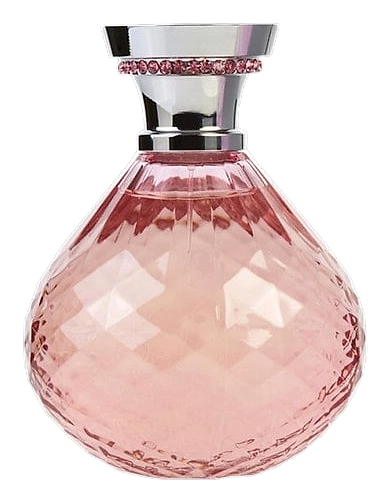
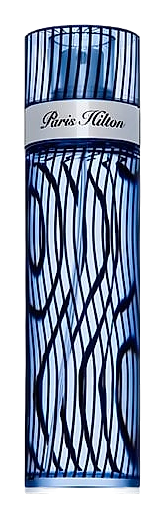
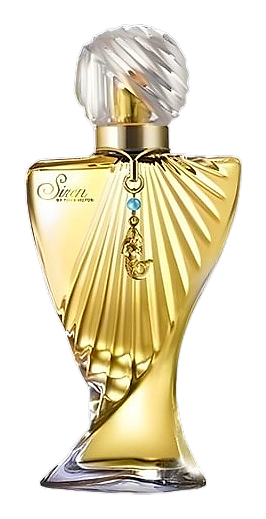
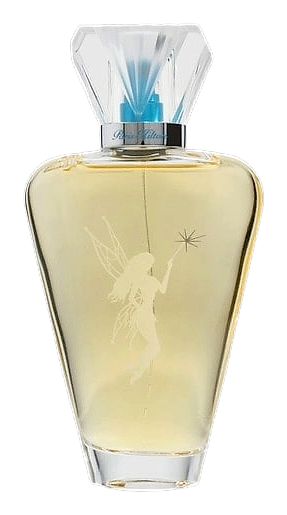
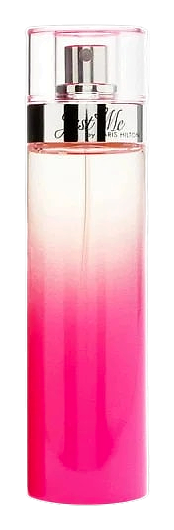
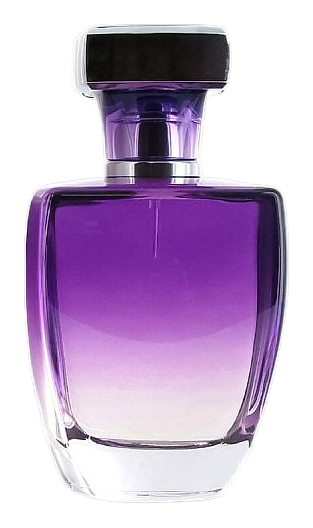
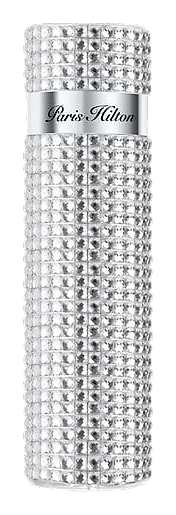
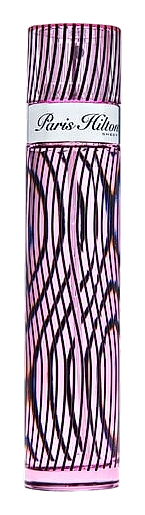
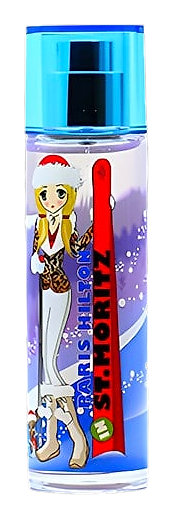
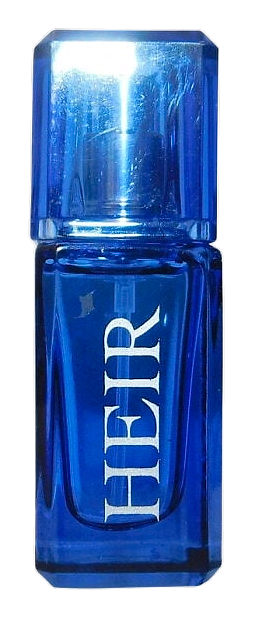
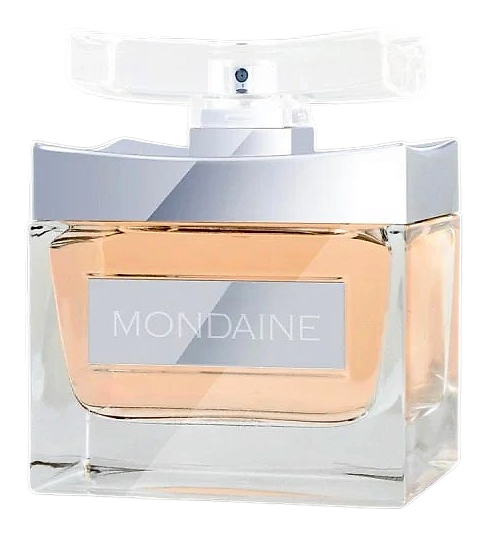
    Visual identity for the Paris Hilton line leans heavily on bright, reflective surfaces and bold typography. Early bottles featured a clear glass silhouette topped with a pink or gold‑toned cap, echoing the brand’s association with nightlife and glamour. Limited editions often incorporate glitter‑infused glass, metallic accents, or custom‑shaped stoppers that reference the theme of the fragrance – for example, the Can Can Burlesque bottle includes a stylized feather motif, while Ruby Rush uses a deep red hue and a faceted cap reminiscent of a gemstone. Marketing imagery frequently places the perfume alongside sequined fabrics, neon lighting, or club‑scene backdrops, reinforcing the connection to party culture. The logo itself uses a clean sans‑serif typeface, occasionally paired with a cursive script for special releases, creating a balance between modern minimalism and playful flair. Across print ads, digital banners, and point‑of‑sale displays, the color palette stays within pinks, golds, and blacks, providing a recognizable visual thread that ties the diverse scent portfolio together.

    Philosophy

    Hilton’s fragrance philosophy centers on translating her public persona into scent narratives that feel approachable yet celebratory. Interviews in lifestyle publications describe her goal as creating perfumes that capture moments of fun, confidence, and a hint of glamour without demanding niche expertise. The brand often ties new launches to personal events – a birthday, a tour, or a fashion collaboration – allowing the fragrance to serve as a tangible memory. According to third‑party coverage, the line emphasizes inclusivity, offering both women’s and men’s versions, as well as limited editions that appeal to collectors. The messaging avoids technical perfume jargon, instead focusing on the emotional response a scent can provoke, a strategy that aligns with Hilton’s broader media presence as a social figure who values direct connection with fans.

    Key Milestones

    2004

    Launch of the first fragrance, Paris Hilton for Women, marking the brand’s entry into the perfume market.

    2006

    Introduction of Just Me for Men, expanding the line to include a male‑targeted scent.

    2012

    Release of Dazzle, a limited edition that emphasized glittery packaging and a fresh floral‑fruit accord.

    2016

    Heiress Limited Edition arrives, featuring a rose‑gold bottle and a more sophisticated scent profile.

    2019

    Luxe Rush debuts with a gourmand vanilla‑caramel composition and a sleek matte black bottle.

    2022

    Ruby Rush launches, offering a deep berry fragrance housed in a ruby‑colored glass vessel.

    At a Glance

    Brand profile snapshot

    Origin

    United States

    Founded

    2004

    Heritage

    22

    Years active

    Collection

    1

    Fragrances released

    Avg Rating

    3.3

    Community sentiment

    Release Rhythm

    2025
    1
    2022
    2
    2019
    3
    2018
    1
    2017
    3
    2016
    2
    2015
    1
    2014
    2
    parishilton.com

    Did You Know?

    Interesting Facts

    Distinctive details and defining moments that shape the house personality.

    01

    The 2004 debut is cited in multiple industry retrospectives as one of the earliest celebrity fragrances to sustain a multi‑year production run.

    02

    Paris Hilton’s perfume line has been reported to generate over $2.6 billion in revenue by 2020, a figure that places it among the highest‑earning celebrity scent portfolios.

    03

    The brand has released more than thirty distinct fragrances, a volume that exceeds many traditional fashion houses’ perfume offerings.

    04

    Hilton’s 2014 Can Can Burlesque edition incorporated a limited‑run bottle with embedded glitter particles, a production technique that required a specialized glass‑blowing process.

    The Artisans

    The Perfumers