Pink Magnolia
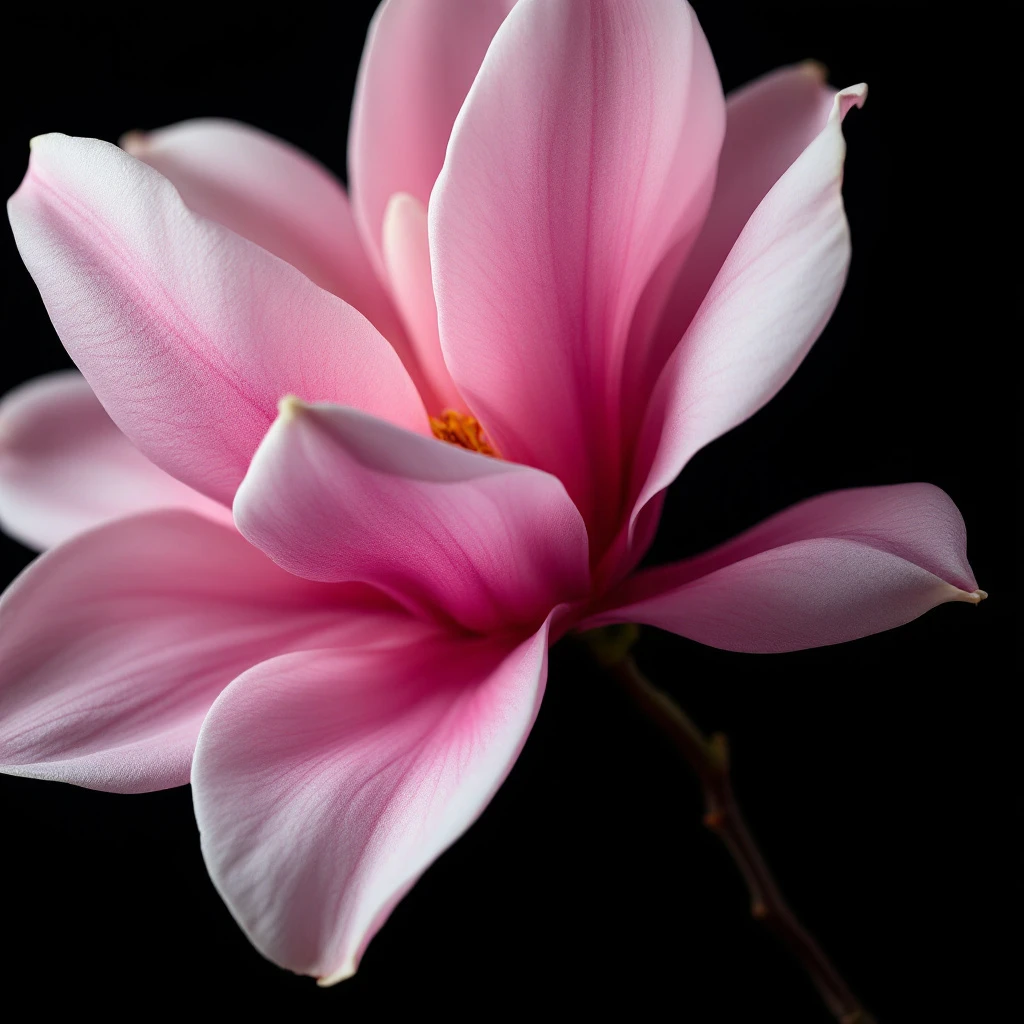
Pink magnolia captures the soft intimacy of blossoms at dawn, where dewy petals unfurl in pale blush and ivory. It holds the garden's quietest secrets: a whisper of lemon zest, a breath of coconut warmth, and the tender green undertone of stems still connected to living earth. More memory than flower, it opens like a door left deliberately ajar.
Character
How it smells
A blush of petal, a breath of spring.
Magnolia is named for Pierre Magnol, the 17th-century French botanist who invented the plant classification system still used in botany today.






Origin
China
Magnolia has its roots in ancient China, where white and blush-pink blossoms symbolized purity, dignity, and feminine grace. Chinese scholars cultivated the flower in temple gardens and imperial courts for centuries before it caught the attention of European botanists.
In the 18th century, French botanist Pierre Magnol revolutionized the understanding of plant relationships by grouping flora into families based on shared characteristics. botanist Pierre Magnol revolutionized the understanding of plant relationships by grouping flora into families based on shared characteristics.
Botanist Charles Plumier named the genus in his honor after encountering the tree in the Caribbean, cementing magnolia's place in Western botanical history. Today, magnolia essence flows primarily from China's Guangxi and Fujian provinces, carrying with it thousands of years of cultural reverence into the bottles of modern perfumery.
Wears it best
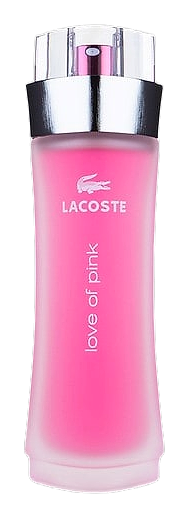
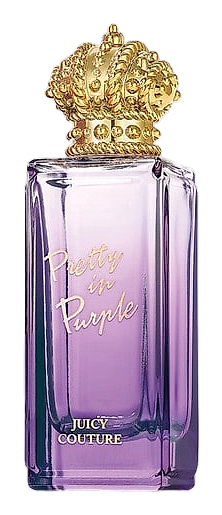
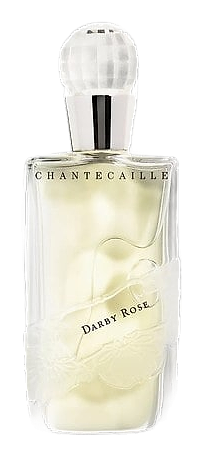
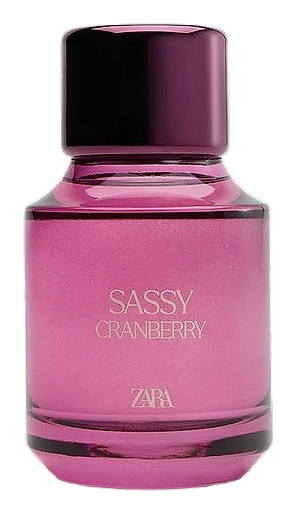
Fragrances featuring Pink Magnolia
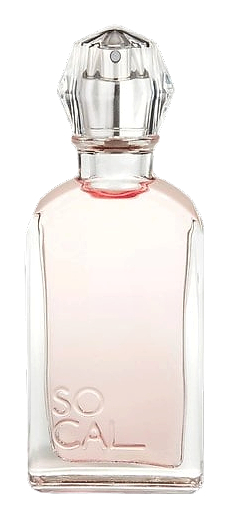
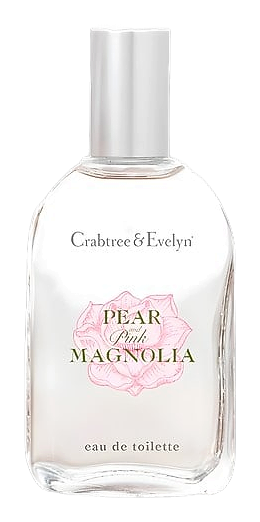
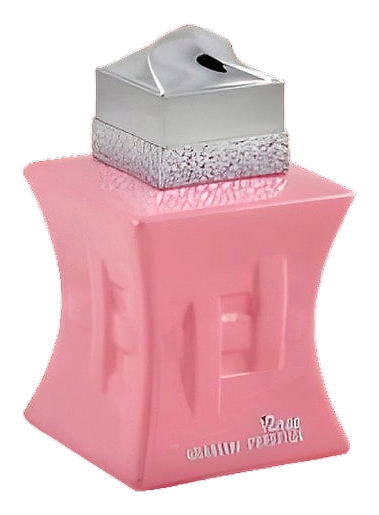
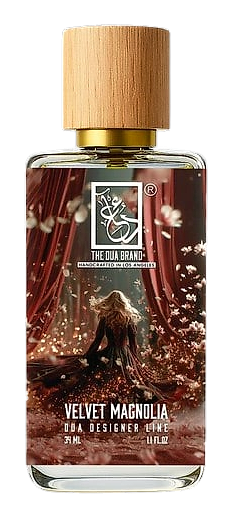
Brands
Brands known for Pink Magnolia
Good to know
Questions, answered
The essentials on Pink Magnolia in perfumery: how it smells, where it comes from, and how it behaves on skin.
What does pink magnolia smell like?
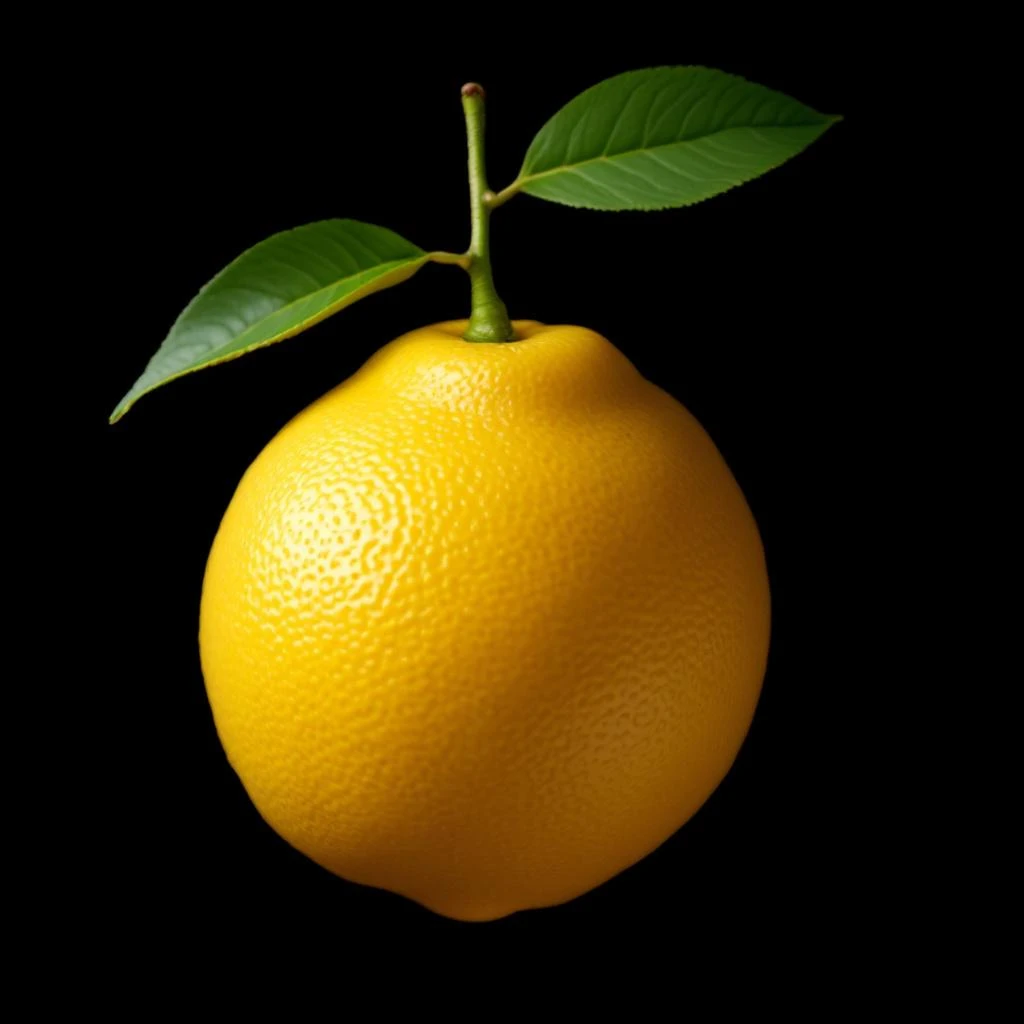
Pink magnolia smells fresh and creamy with a green-citrus lift. The top note carries a bright lemon-verbena character, the heart unfolds into soft white-flower petals, and the drydown reveals warm coconut and subtle lily-of-the-valley undertones. The overall impression is clean, romantic, and slightly aqueous.
Is pink magnolia a natural or synthetic ingredient?
It is typically a synthetic reconstruction. Magnolia flower oil is not produced commercially, so perfumers build the accord from nature-identical aromachemicals and natural aromatic extracts to match the scent profile of fresh blossoms.
What does pink magnolia contribute to a fragrance composition?
It adds a soft, solar quality with daytime versatility. Pink magnolia works as a bridge between citrus and deeper floral notes, bringing freshness without sharpness. It lends a romantic, approachable warmth that pairs well with both cool and warm fragrance palettes.
What fragrance families commonly feature pink magnolia?
Pink magnolia appears most often in floral, fruity-floral, and white-floral compositions. It is a frequent heart note in modern fragrances targeting the fresh-floral and airy-gourmand segments, and occasionally surfaces in chypre or woody-floral structures for added softness.
Which ingredients pair well with pink magnolia?
Pink magnolia harmonizes with bergamot and lemon for a sparkling opening, with peony and rose for a fuller floral heart, and with sandalwood or musk for a warm, lingering base. It also pairs naturally with ylang-ylang, which shares its creamy white-flower character.
How does pink magnolia differ from gardenia?
Gardenia delivers a rich, waxy, almost indolic depth, while pink magnolia stays lighter and more citrus-forward with a greener, more transparent character. Magnolia has a lemony lift that gardenia lacks, making it feel airier and more luminous in the top and heart phases.
What is the botanical origin of magnolia in perfumery?
Perfumers work primarily with Magnolia grandiflora, known for large waxy leaves and fragrant white blooms, and Michelia alba, which offers a more intensely citrusy floral character. Both species originated in East and Southeast Asia and remain central to magnolia accord creation.
What should I know before choosing a magnolia fragrance?
Since natural magnolia oil is unavailable, the quality of a magnolia fragrance depends entirely on the perfumer's skill in reconstruction. Look for fragrances that balance the green-citrus opening with creamy florals in the heart, as this indicates a well-crafted magnolia accord that feels true to the living flower.