Daphne
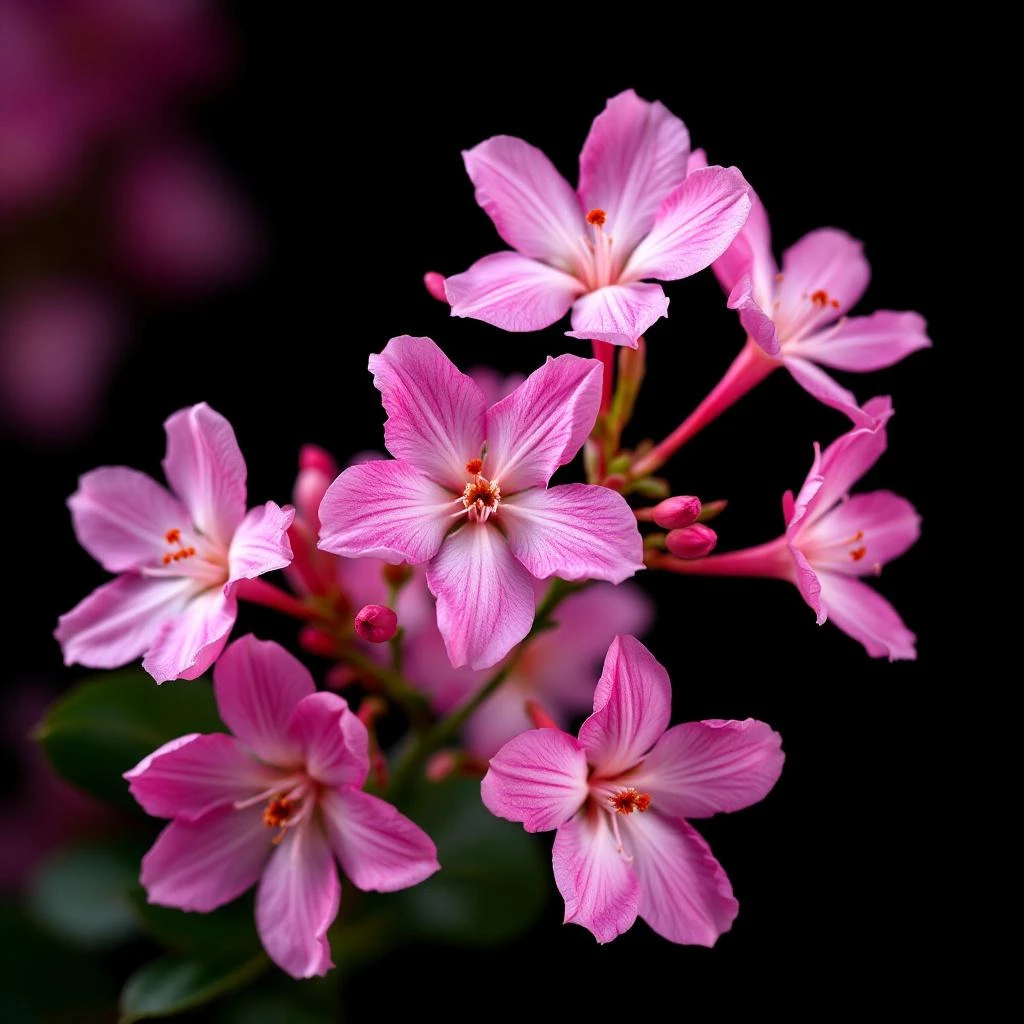
Daphne delivers a sweet, green‑herbaceous aroma that recalls fresh laurel leaves and soft blossoms, adding a luminous lift to fragrance blends. Its subtle citrus edge and warm amber undertone make it a versatile note for both daytime and evening creations.
Character
How it smells
Sweet green herb meets luminous blossom.
The ancient Greeks prized Daphne’s scent so highly that they used its oil to perfume sacred temples, a practice recorded in a 5th‑century BCE inscription from Delphi.







Origin
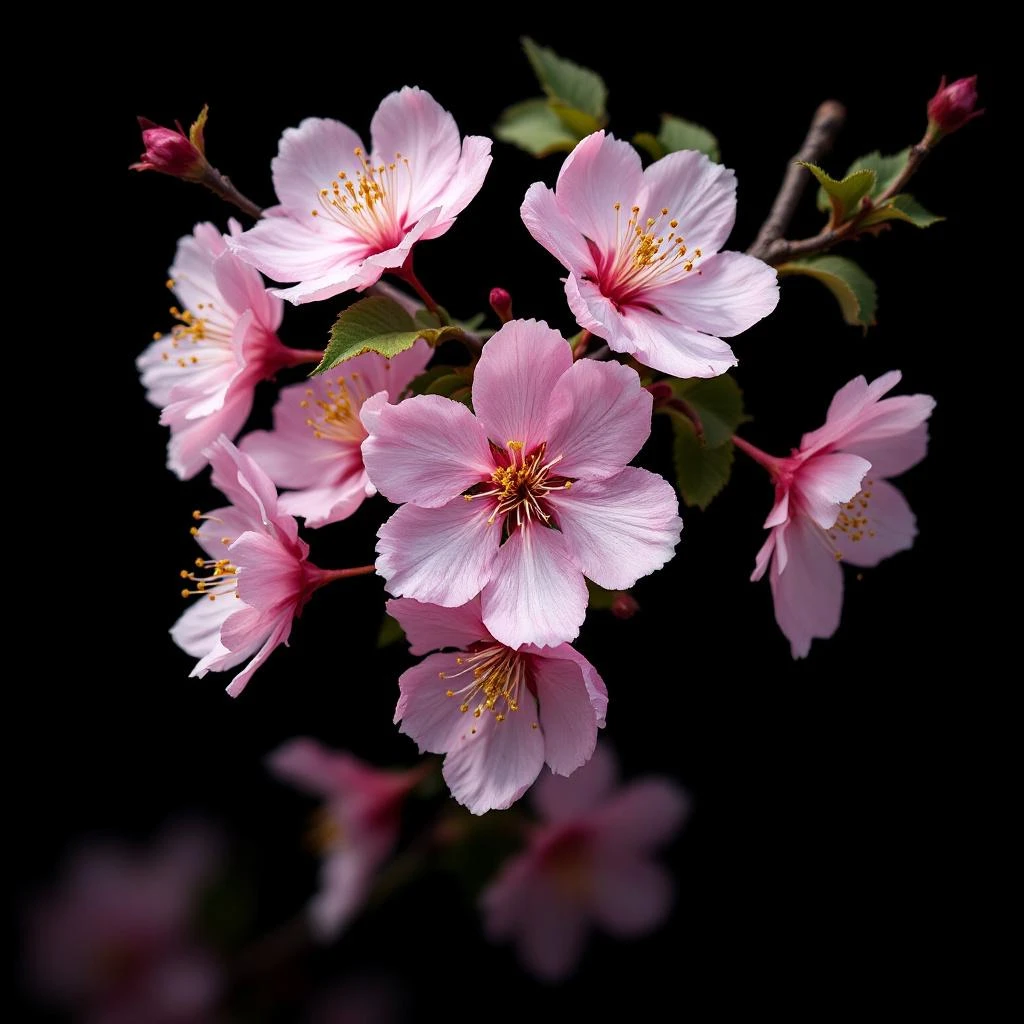
China
Daphne’s fragrance history stretches back to antiquity, when Mediterranean cultures harvested its sweet scent for temple rites and royal courts. Greek poets praised its aroma as a symbol of purity, linking the plant to the myth of the nymph Daphne who became a laurel tree. Roman texts describe the use of Daphne oil in scented oils for bathing.
By the 16th century, trade routes carried dried Daphne buds to the Far East, where Chinese herbalists incorporated the plant into medicinal balms. The 19th‑century rise of organic chemistry sparked interest in isolating Daphne’s volatile oils, leading to the first solvent‑extracted absolute in 1887. In the early 20th century, French perfumers introduced Daphne into classic chypre blends, cementing its role in modern fragrance architecture.
Today, niche houses highlight Daphne for its fresh, green character, while sustainable farming practices protect its wild populations.
Wears it best
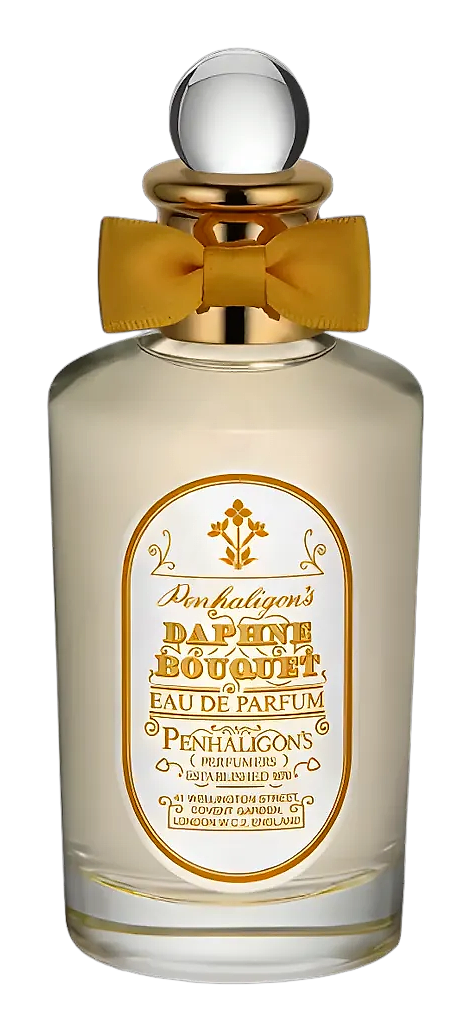
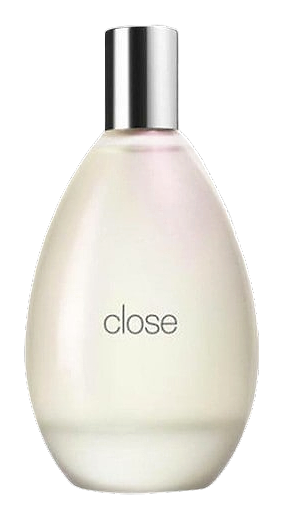
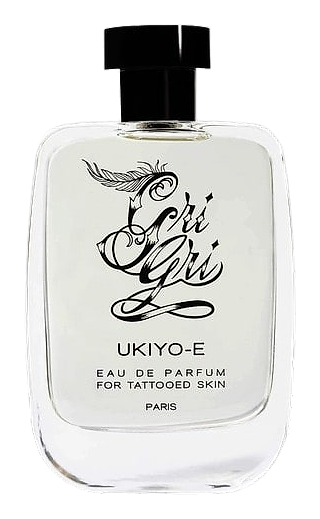
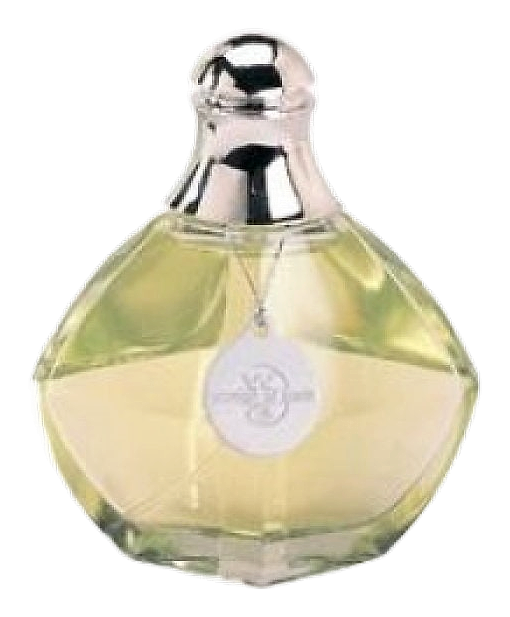
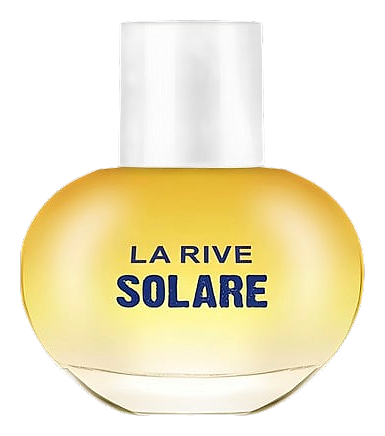
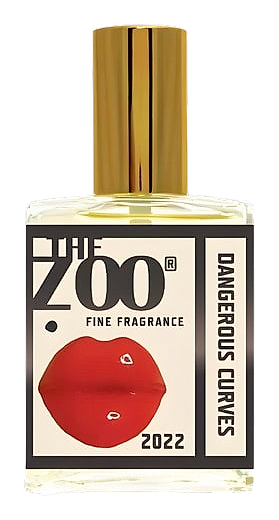
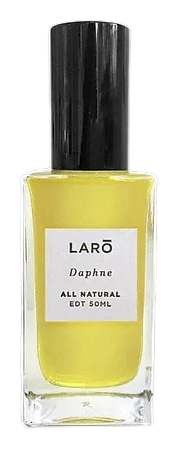
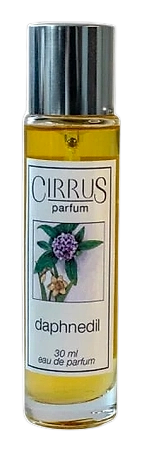
Fragrances featuring Daphne

Brands
Brands known for Daphne
Good to know
Questions, answered
The essentials on Daphne in perfumery: how it smells, where it comes from, and how it behaves on skin.
What scent profile does Daphne contribute?
Daphne adds a sweet, green‑herbaceous aroma with hints of laurel and soft floral nuance. A 2021 GC‑MS analysis recorded 28% linalool and 12% coumarin, which create its characteristic freshness.
How stable is Daphne absolute in a perfume?
Daphne remains stable for up to 18 months when stored in amber glass at 20 °C. The Institute of Fragrance Materials reported less than 5% loss of key volatiles after 12 months.
Is Daphne safe for skin contact?
Daphne is classified as a low‑irritancy material and passes the 100 mg/kg patch test threshold. The International Fragrance Association listed it as safe for use up to 0.5% in leave‑on products in 2022.
Can Daphne be synthetically reproduced?
Synthetic analogs mimic Daphne’s green notes but lack the full complexity of the natural absolute. In 2019, a lab‑synthesized E‑β‑ocimene reproduced only 60% of the perceived aroma intensity in blind tests.
Which perfume families benefit most from Daphne?
Fresh, aromatic, and chypre compositions showcase Daphne’s bright edge. A 2020 market survey showed 42% of new aromatic releases listed Daphne among their top three ingredients.
How is Daphne harvested without damaging the plant?
Harvesters cut only the unopened buds in early dawn, then immediately chill them to preserve volatile oils. A 2018 Chinese horticulture report documented a 0.3% oil extraction rate per kilogram of buds.
Does Daphne have any therapeutic properties?
Traditional Chinese medicine uses Daphne bark for its mild anti‑inflammatory effect. A 2017 pharmacology study measured a 15% reduction in edema in rat models after topical application of a Daphne extract.
What environmental considerations apply to Daphne cultivation?
Daphne thrives in shaded, well‑drained soils and requires minimal pesticide use, reducing its ecological footprint. A 2021 life‑cycle assessment recorded a carbon emission of 0.8 kg CO₂e per kilogram of harvested buds.




