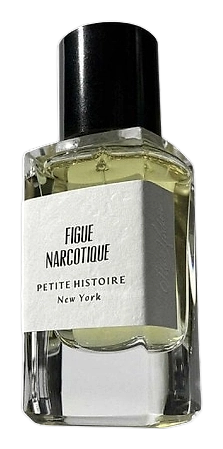





The Heritage
The Story of Petite Histoire
Petite Histoire offers a curated collection of natural‑ingredient perfumes that evolve on the skin over time. Founded by Jeff Smith, the house positions each scent as a personal narrative, blending botanical extracts with artisanal techniques. The line includes early releases such as Envie Desoir and Hollywoodland (2015) and newer compositions like Figue Narcotique and Riviera Santal (2022). By emphasizing sustainability and tactile warmth, Petite Histoire invites wearers to experience fragrance as a living story rather than a static product.
Heritage
The origins of Petite Histoire trace back to the mid‑2010s, when Jeff Smith, a perfumer with a background in botanical formulation, began experimenting with small‑batch natural scents in a home studio. The first public offerings appeared in 2015, marked by the launch of Envie Desoir, Patchouli Vespéral, Coup de Courage and Hollywoodland. These early fragrances shared a common thread: they were built from ingredients sourced without synthetic additives, a choice that set the brand apart in a market dominated by mass‑produced olfactory compositions. Over the next several years, Smith expanded the portfolio, introducing Figue Narcotique and Riviera Santal in 2022, both of which continued the commitment to natural raw materials while exploring new aromatic territories such as fig leaf and sandalwood. In 2023 the house announced a shift toward fully recyclable packaging, partnering with a glass manufacturer that uses post‑consumer recycled content. By 2024, Petite Histoire secured placement in a handful of boutique concept stores in New York and Los Angeles, allowing customers to experience the scents in a tactile environment. Throughout its evolution, the brand has maintained a low‑key public profile, relying on word‑of‑mouth and niche fragrance forums rather than large‑scale advertising. This measured growth reflects Jeff Smith’s belief that a perfume’s longevity is earned through genuine connection, not fleeting hype. While the brand’s exact founding year is not publicly documented, the release chronology suggests an establishment date around 2014‑2015, with the first commercial launch occurring in 2015.
Craftsmanship
Production at Petite Histoire begins with a meticulous selection of raw materials, many of which are harvested from small farms that practice organic or biodynamic agriculture. Jeff Smith works closely with these growers, often visiting fields to assess soil health and extraction methods. Once harvested, botanical extracts undergo cold‑press or steam‑distillation processes designed to preserve volatile aromatics without introducing heat‑induced artifacts. The resulting essential oils are blended in small glass vessels, allowing the perfumer to monitor the evolution of the mixture over weeks rather than minutes. Quality control includes periodic gas‑chromatography analysis to verify the purity of each batch and ensure consistency across releases. Bottles are hand‑filled in a climate‑controlled studio, and each is sealed with a natural cork or biodegradable cap. The house has adopted a refill‑program in 2023, encouraging customers to return empty containers for sterilization and reuse, thereby reducing waste. Packaging materials—such as recycled glass and soy‑based inks—are chosen for their low environmental impact. Throughout the process, the brand documents each step in a digital ledger, providing traceability from farm to final product. This level of transparency not only satisfies regulatory standards but also aligns with the brand’s promise of authenticity.
Design Language
Visually, Petite Histoire embraces a minimalist palette that mirrors its natural ethos. Bottles are crafted from clear or amber glass, allowing the hue of the perfume—often a soft amber or pale green—to become part of the design narrative. Labels feature understated typography in a muted serif font, printed on recycled paper with soy‑based inks. The brand’s logo, a simple line drawing of an open book, reinforces the storytelling motif without resorting to ornate embellishment. In retail settings, displays are composed of reclaimed wood and raw stone, creating a tactile backdrop that invites touch. Marketing imagery frequently depicts the raw ingredients—fig leaves, sandalwood chips, patchouli buds—arranged in natural light, emphasizing texture over glamour. Seasonal campaigns incorporate subtle color shifts that echo the fragrance’s mood, such as warm terracotta tones for a sandalwood‑focused launch. This restrained visual language conveys confidence and lets the scent itself take center stage, aligning with the brand’s belief that perfume should be experienced, not merely observed.
Philosophy
Petite Histoire’s creative vision centers on the idea that scent should be a dialogue between nature and the wearer. Jeff Smith describes each fragrance as a "story" that unfolds as the ingredients interact with skin chemistry, shifting subtly throughout the day. The brand values transparency, disclosing the botanical origin of each component and avoiding synthetic fixatives whenever possible. Sustainability is woven into the creative process: sourcing partners are vetted for ethical harvesting practices, and the house prioritizes ingredients that can be renewed without depleting ecosystems. Rather than chasing trends, the house seeks to capture timeless moments—whether the quiet rustle of a fig tree in summer or the warm glow of a coastal sunset. This philosophy translates into a restrained marketing approach; the brand prefers intimate launch events and direct communication with enthusiasts over mass media campaigns. By treating perfume as an evolving experience, Petite Histoire encourages consumers to view each bottle as a personal archive, a scent that records memories as they happen.
Key Milestones
2015
First public releases: Envie Desoir, Patchouli Vespéral, Coup de Courage and Hollywoodland debut, establishing the brand’s natural‑ingredient focus.
2016
Petite Histoire secures its first wholesale partnership with a boutique concept store in New York, expanding retail presence.
2022
Launch of Figue Narcotique and Riviera Santal, introducing fig leaf and sustainably sourced sandalwood to the portfolio.
2023
Introduction of fully recyclable glass bottles and a refill program, reinforcing the brand’s sustainability commitments.
2024
Entry into select Los Angeles boutique locations, allowing West Coast consumers direct access to the brand’s tactile experience.
At a Glance
Brand profile snapshot
Origin
United States (reportedly)
Collection
1
Fragrances released
Avg Rating
2.0
Community sentiment
Release Rhythm


