    Brand Profile

    Etro translates its textile heritage into a line of fragrances that echo the brand’s love of colour, pattern and travel. The Italian house b…More

    Italy·Est. 1968·Site

    3

    Fragrances

    3.9

    Rating

    41
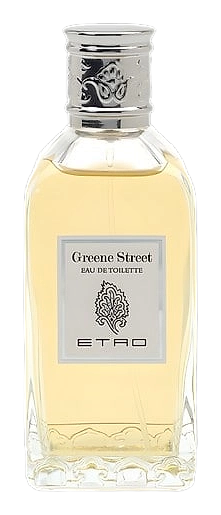
    Greene Street by Etro
    4.0

    Greene Street

    Io Myself by Etro
    3.8

    Io Myself

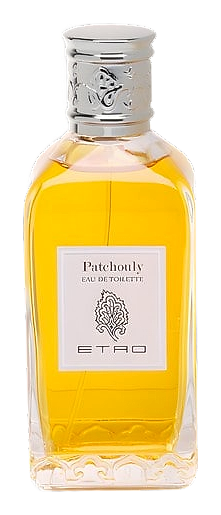
    Patchouly Eau de Parfum by Etro
    Best Seller
    4.3

    Patchouly Eau de Parfum

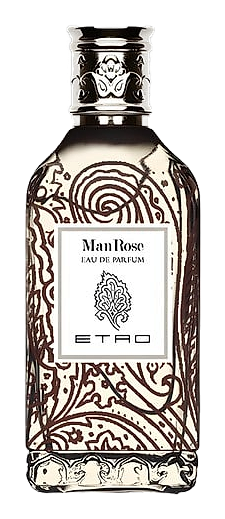
    ManRose by Etro
    Best Seller
    4.2

    ManRose

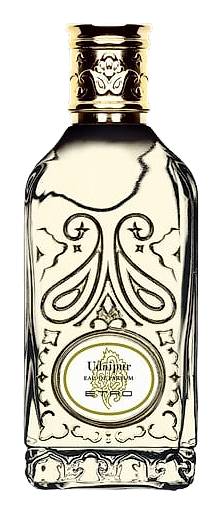
    Udaipur by Etro
    Best Seller
    4.1

    Udaipur

    Vetiver by Etro
    4.1

    Vetiver

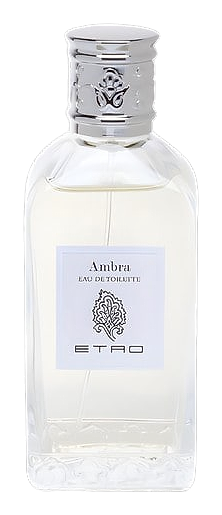
    Ambra by Etro
    4.1

    Ambra

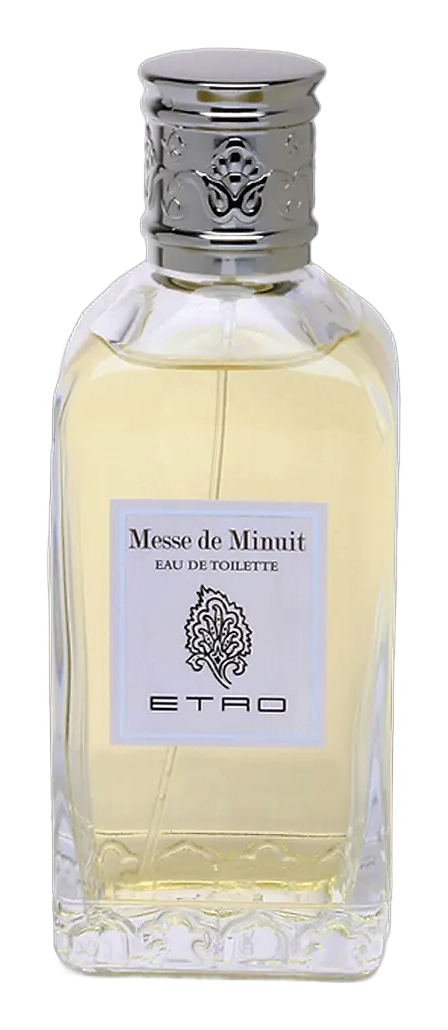
    Messe de Minuit by Etro
    4.1

    Messe de Minuit

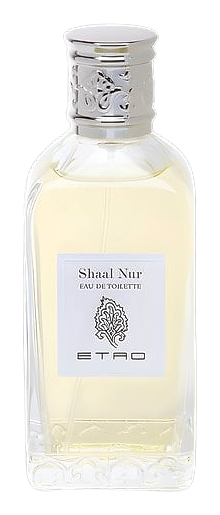
    Shaal Nur by Etro
    4.1

    Shaal Nur

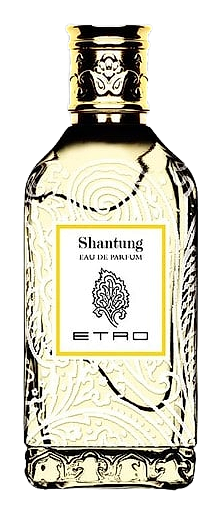
    Shantung by Etro
    4.1

    Shantung

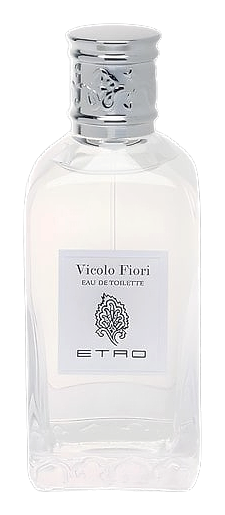
    Vicolo Fiori Eau De Parfum by Etro
    4.1

    Vicolo Fiori Eau De Parfum

    Via Verri Vintage Limited Edition by Etro
    4.1

    Via Verri Vintage Limited Edition

    1 of 4

    The Heritage

    The Story of Etro

    Etro translates its textile heritage into a line of fragrances that echo the brand’s love of colour, pattern and travel. The Italian house began as a fabric workshop in Milan, then expanded into clothing, accessories and, in the early 1990s, scent. Today Etro offers unisex and gender‑specific perfumes that blend aromatic herbs, warm woods and rich spices, each bottle bearing the same bold graphic sensibility that defines the fashion collections. The fragrance portfolio reflects the same curiosity about culture and place that the brand celebrates in its runway shows.

    Heritage

    Gerolamo “Gimmo” Etro opened a small textile studio in Milan in 1968. He collected rare fabrics, experimented with dyeing techniques, and quickly earned a reputation for vivid prints. By the early 1970s the studio supplied upscale boutiques across Italy, and the Etro name became linked with bold paisley and geometric motifs. In 1981 the family launched its first ready‑to‑wear line, extending the fabric expertise to clothing and accessories. The fashion house opened its first flagship store on Via Montenapoleone in 1985, cementing its presence in the luxury district. Etro introduced its inaugural perfume, simply titled “Etro,” in 1993; the scent combined citrus, lavender and amber, mirroring the brand’s colour palette. The 1990s also saw the debut of iconic prints such as the “Mosaic” pattern, which later inspired the visual language of several fragrance bottles. In 2000 the company moved its headquarters to a historic Milanese palazzo, where a dedicated archive now stores over 30,000 fabric swatches. The early 2010s brought a series of niche‑inspired releases, including Vicolo Fiori (2011) and Shantung (2016), each referencing a specific locale or material. Etro’s fragrance division partnered with Coty in 2020, allowing broader distribution while preserving the house’s creative control. Throughout its five‑decade history the brand has remained family‑run, with Gimmo’s sons, Michele and Riccardo, guiding design and expansion, and his grandson, Gabriele, overseeing the perfume line.

    Craftsmanship

    Etro works with perfumers who share its respect for material integrity. Names such as Alberto Morillas, Olivier Cresp and Anne Flipo have contributed to the line, each bringing a precise note structure that aligns with the brand’s aesthetic. The house sources natural extracts from certified farms in India, Madagascar and Brazil, while also integrating high‑grade synthetics to achieve consistency. Production takes place in facilities that follow EU regulations for safety and environmental impact. Quality control includes blind testing by a panel of Etro designers, who evaluate whether the scent matches the intended visual theme. The brand also maintains a small batch laboratory in Milan where final blending occurs, allowing rapid adjustments before bottling. Bottles are hand‑finished, with glass selected for clarity and weight, and caps are machined from brass or brushed metal to echo the metallic threads used in Etro fabrics. Each perfume is sealed with a waxed label that carries the house’s signature paisley motif, linking the olfactory product back to its textile roots.

    Design Language

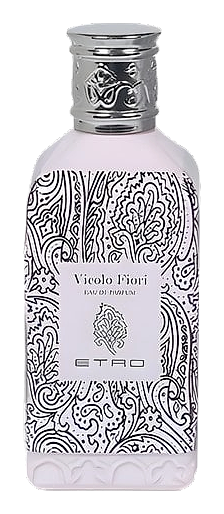
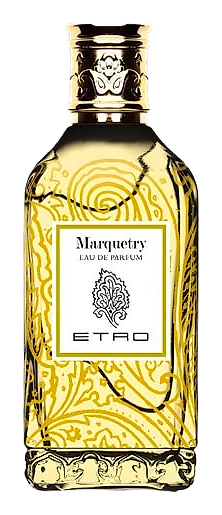
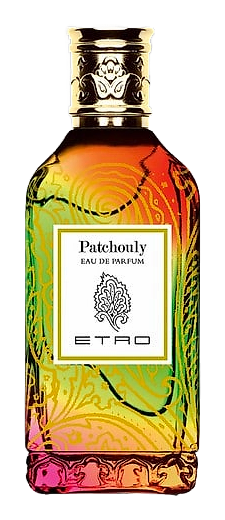
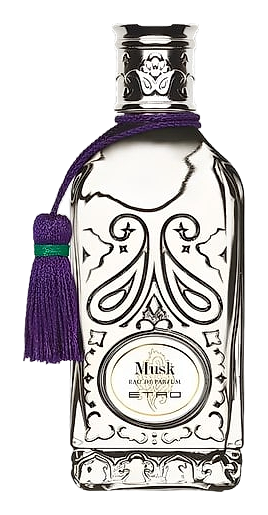
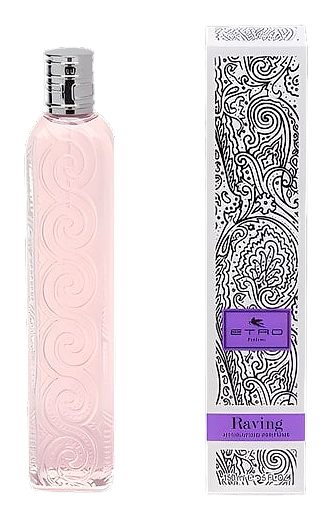
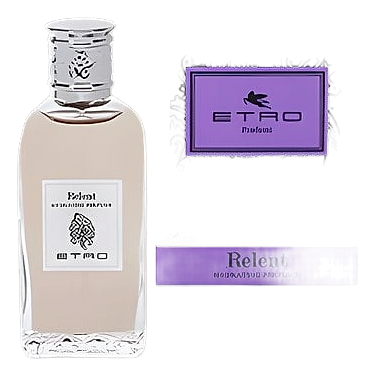
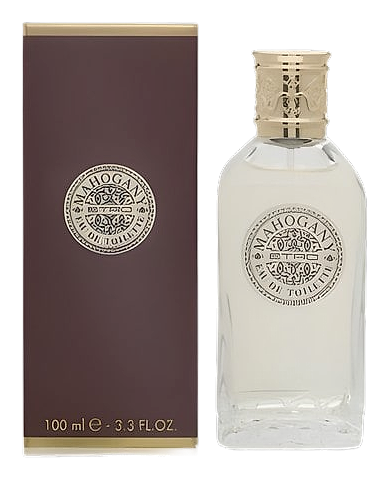
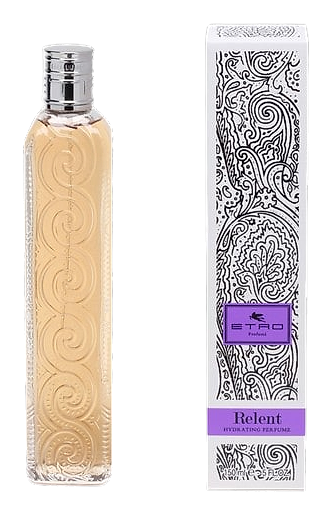
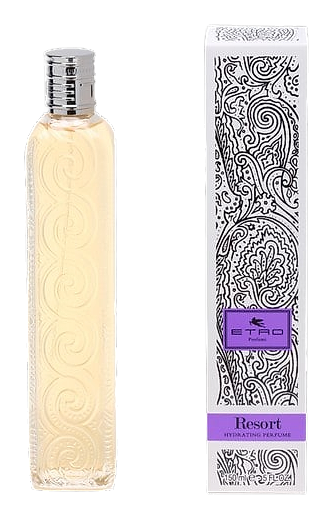
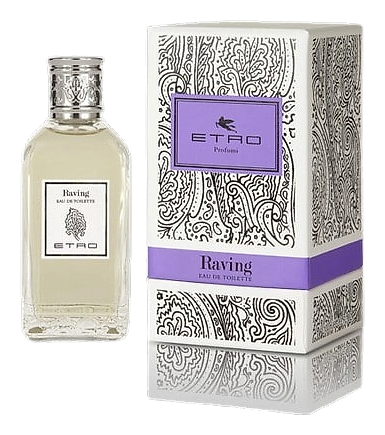
    Etro’s visual language revolves around bold patterns, saturated hues and a playful mix of classic and contemporary elements. The brand’s logo—a stylised “E” surrounded by a paisley swirl—appears on fragrance packaging, echoing the same motif that decorates its clothing. Bottle shapes tend toward clean, geometric silhouettes, allowing the label’s graphic design to become the focal point. For example, the Patchouly Eau de Parfum (2016) features a clear glass vessel with a deep green gradient, capped by a brass top that mirrors the metallic threads in the corresponding fabric collection. The Vicolo Fiori bottle (2011) uses a frosted glass surface, letting the soft floral illustration on the label shine through. Etro’s advertising often pairs the perfume with travel photography, reinforcing the idea that scent can transport the wearer. Store displays integrate fabric swatches, creating a tactile backdrop that ties the fragrance to the brand’s textile heritage. The overall aesthetic feels like a curated gallery, where each scent sits beside a piece of cloth, a sketch, or a photograph, inviting the consumer to explore the story behind the aroma.

    Philosophy

    Etro treats scent as an extension of its textile narrative. The house believes that colour, pattern and aroma can travel together, creating a multisensory story. Creative teams start with a cultural reference—an Indian market, a Mediterranean garden, a historic textile trade route—and translate that image into olfactory notes. The brand values authenticity, so it sources ingredients that reflect the origin story, whether it is Indian sandalwood, Moroccan rose or Indonesian patchouli. Etro avoids fleeting trends; instead it seeks timeless combinations that can be worn across seasons. The house also embraces sustainability, supporting projects that protect natural habitats tied to key raw materials. This philosophy appears in the way each fragrance is paired with a visual motif that mirrors the scent’s geography, reinforcing the idea that a perfume can be both worn and seen.

    Key Milestones

    1968

    Gerolamo “Gimmo” Etro opens a textile studio in Milan, focusing on vibrant prints and dyeing techniques.

    1981

    Etro launches its first ready‑to‑wear collection, expanding from fabrics to clothing and accessories.

    1993

    Etro releases its inaugural perfume, titled “Etro,” marking the brand’s entry into fragrance.

    2011

    Etro introduces Vicolo Fiori Eau de Parfum, a scent inspired by Italian garden pathways.

    2016

    Etro launches Patchouly Eau de Parfum, highlighting Indonesian patchouli and warm amber notes.

    2018

    Etro releases Udaipur, a fragrance that references the Indian city’s marble architecture and spice markets.

    At a Glance

    Brand profile snapshot

    Origin

    Italy

    Founded

    1968

    Heritage

    58

    Years active

    Collection

    3

    Fragrances released

    Avg Rating

    3.9

    Community sentiment

    Release Rhythm

    2024
    1
    2021
    1
    2018
    2
    2017
    1
    2016
    2
    2015
    2
    2014
    1
    2013
    1
    etro.com

    Did You Know?

    Interesting Facts

    Distinctive details and defining moments that shape the house personality.

    01

    Etro maintains a fabric archive of more than 30,000 swatches, which perfumers can consult for colour‑inspired note ideas.

    02

    The brand’s first fragrance, Etro (1993), was created in collaboration with perfumer Alberto Morillas, who later returned for several later releases.

    03

    Etro’s Patchouly bottle uses a gradient glass technique that was originally developed for a limited‑edition wine label in the early 2000s.

    04

    The paisley motif that appears on Etro perfume labels originated from a 1970s collection of Indian shawls that the founder imported.

    The Artisans

    The Perfumers