The Story
Why it exists.
The beginning
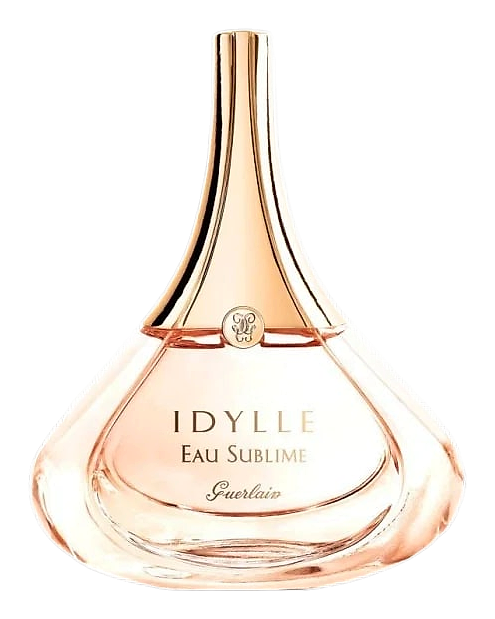
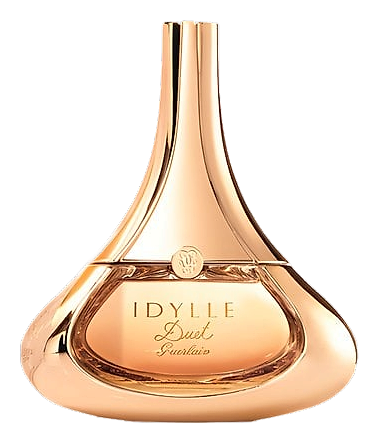
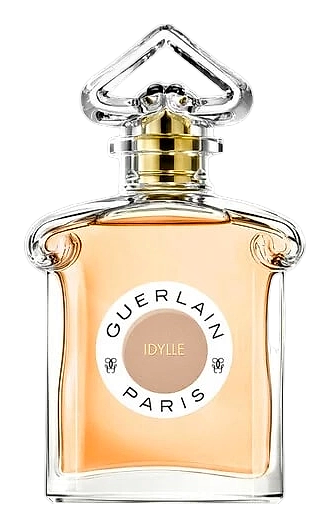
When Thierry Wasser took over as Guerlain's in-house perfumer in 2009, Idylle was his opening statement. Not a quiet introduction, a declaration. Wasser built the fragrance around a rose accord that blended two very different roses: Bulgarian roses, with their fruity, raspberry-like brightness from the 2008 harvest, and the Plessis Robinson rose, an old rose created by Jean-Paul Guerlain himself, out of love for the past. To this foundation, Wasser added a bouquet of lily of the valley, lilac, peony, freesia, and jasmine. The base is patchouli and white musk, Guerlain's chypre signature, selected for warmth. The result is Idylle: a shower of flowers, of petals, of subtle yet incisive freshness, balanced by sensuality. A nectar of flowers, an ode to life and love.
What makes Idylle unusual is how the rose accord layers two generations of Guerlain's rose work. The Bulgarian roses bring fruity brightness. The Plessis Robinson rose, an old rose created by Jean-Paul Guerlain, brings something deeper, more pungent. Together they create a rose that smells both fresh and storied. The chypre harmony of patchouli and white musk is Guerlain's calling card. It keeps the florals from becoming too sweet, grounding them in warmth without heaviness. The lily of the valley, lilac, peony, freesia, and jasmine don't compete, they layer, creating a bouquet that feels both delicate and substantial. This is a floral that knows when to step back.
The evolution
The opening is immediate: rose and freesia, with lychee and raspberry adding a tangy sweetness that reads almost effervescent. This phase lasts the first hour, bright, fresh, joyful. Then the heart takes over. Around the second hour, lily of the valley, jasmine, lilac, and peony arrive. The florals don't compete, they layer, creating a bouquet that feels both delicate and substantial. This phase lasts two to three hours. The drydown is where Guerlain's chypre signature shows. Patchouli and white musk create a warm, slightly animalic base that lingers for another three to four hours. On some skin, the rose from the opening never fully disappears, it threads through the entire evolution, keeping the fragrance cohesive and distinctive.
Cultural impact
Idylle marked a new chapter for Guerlain, Thierry Wasser's first fragrance as successor to Jean-Paul Guerlain in 2009. The house has been crafting floral-forward compositions since its founding, but Idylle felt like a breath of fresh air: modern, accessible, joyful. It's become a signature piece for Guerlain, the fragrance for those who want the house's quality without the weight of its heavier offerings.
The House
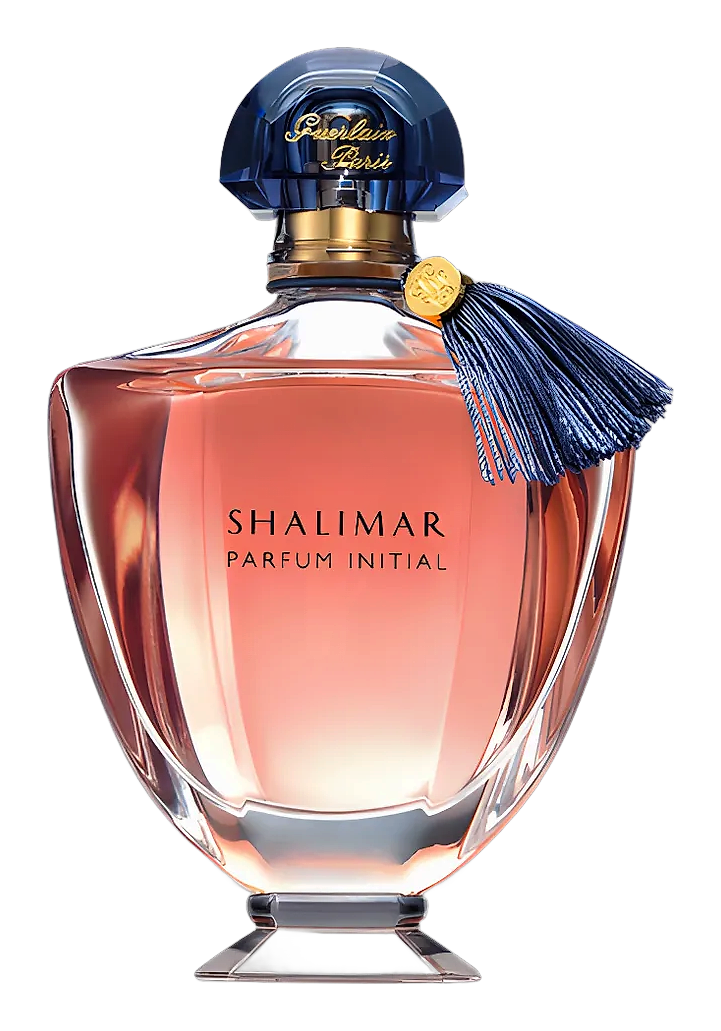
GuerlainGuerlain stands as one of the oldest and most revered perfume houses in the world, founded in Paris in 1828 by Pierre-François-Pascal Guerlain. What began as a boutique on rue de Rivoli quickly became the preferred destination for Parisian society, attracting dandies and elegant women who sought custom-crafted fragrances. The house's influence grew to such heights that Guerlain earned the title of Official Perfumer to Napoleon III after presenting Eau de Cologne Impériale to Empress Eugénie as a wedding gift in 1853. This royal patronage marked the beginning of Guerlain's enduring association with European aristocracy, as the house went on to create fragrances for Queen Victoria and Queen Isabella II of Spain. Today, under the creative direction of Thierry Wasser, the fifth-generation perfumer, Guerlain continues to shape the landscape of fine fragrance with a portfolio spanning over 1,100 olfactory creations. The house remains headquartered at its legendary Champs-Élysées mansion, a historic monument that anchors Guerlain's position at the intersection of heritage and contemporary luxury.
The Creator
Thierry WasserWasser gravitates toward green, crispy notes and the bold florals Guerlain is known for. Bulgarian rose appears repeatedly in his work, and he travels annually to oversee the harvest in Kazanlak.