The Story
Why it exists.
The beginning
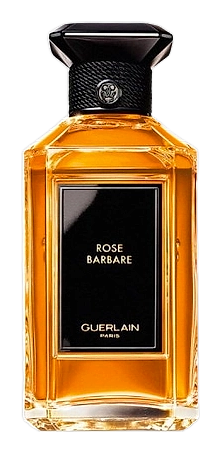
Rose Barbare arrived in 2005 as part of Guerlain's L'Art et la Matière collection, the house's most artistic expressions. Francis Kurkdjian created this fragrance with a clear intention: to take rose, one of perfumery's most comfortable and polished notes, and make it unfamiliar. The name itself, Barbare, suggests something wild, uncivilized, perhaps even barbaric. Kurkdjian understood that rose had been gentled by thousands of fragrances into something almost too pleasant, too predictable. His mission was to reintroduce tension and unpredictability into a note that had become overly domesticated. The aldehydes in the opening serve as the first act of defiance, borrowing from Guerlain's own Jicky and Chant d'Aromes but using them here to destabilize rather than charm. Fenugreek in the heart completes the subversion, introducing a bitter, aromatic quality that most perfumers would avoid in a rose composition. This is rose as confrontation.
The note philosophy behind Rose Barbare is rooted in contrast. Aldehydes and rose might seem like an odd pairing, with aldehydes typically associated with powdery, vintage femininity and rose associated with romantic softness, but Kurkdjian uses them to create dissonance rather than harmony. Fenugreek intensifies this approach, introducing a bitter, almost savory quality that most perfumers would consider too aggressive for a floral composition. The honey and patchouli in the drydown function as reconciliation, softening the earlier confrontational notes and bringing the wearer back toward warmth and comfort.
The evolution
Rose Barbare begins its arc with aldehydes doing what aldehydes do best: they lift, brighten, and create an impression of cold precision. Rose enters immediately alongside them, but the aldehydic brightness prevents any softness from developing. The combination feels almost like cold metal and fresh petals pressed together. Over the next thirty to forty minutes, fenugreek asserts itself, and the fragrance undergoes its first major transformation. The rose becomes bitter, almost medicinal in its intensity, with fenugreek's aromatic seed character pushing against the floral notes like an uninvited guest at a formal dinner. This tension is the heart of the fragrance's narrative. When the drydown arrives, honey softens what came before, creating warmth that feels almost like relief after the earlier sharpness. Patchouli brings its characteristic earthiness, and woody notes provide a clean, dry finish. The rose persists, but it has been permanently altered by its time with fenugreek, wearing a darker, more complex character than it started with.
Cultural impact
Rose Barbare found its audience among those who wanted Guerlain's craftsmanship but not its predictability. It sits alongside compositions like Serge Lutens' Roses and Frédéric Malle's Une Rose, fragrances that treat rose as a material with weight and intention, not just a feminine floral note to be softened. Among its Guerlain siblings, it remains the one that asks something of the wearer.