The Story
Why it exists.
The beginning
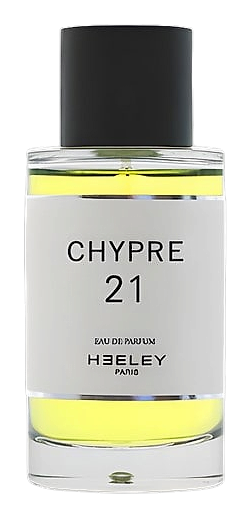
James Heeley named this fragrance with precision. The name is the concept: Chypre 21 is a 21st century chypre, not a tribute or a remake. The original chypre structure, bergamot, rose, patchouli, sandalwood, oakmoss, defined a genre rooted in early 20th century perfumery. Heeley's 2015 take strips away what feels dated while preserving the essential tension: citrus brightness against deep mossy warmth. The bergamot sparkles sharply at the opening, the rose provides subtle floral depth, and the base settles into creamy sandalwood intertwined with earthy patchouli and rich oakmoss. It's architecture, not nostalgia.
The note pyramid is deliberately constrained. Four base materials, musk, oakmoss, sandalwood, patchouli, build the foundation. The heart pairs Bulgarian rose with saffron, a combination that adds warmth and a slight dusty quality without sweetness. The top stays minimal: petitgrain and bergamot, green and bright. This is not a crowded composition. Every material serves a structural purpose, which is consistent with Heeley's design-first approach to fragrance creation.
The evolution
The opening hits with petitgrain and bergamot, bitter, green, almost medicinal. Within minutes, Bulgarian rose softens the edges. Then the saffron arrives, warm without being sweet, a dusty spice that bridges the floral heart and the mossy base. The oakmoss appears in the drydown but it's not the furry wall of vintage chypres, modern oakmoss is cleaner, more restrained. Sandalwood and patchouli provide creaminess and earth. By the final stage, the fragrance sits close to the skin. Moderate sillage means it stays with you rather than announcing itself across the room. The drydown lasts through the workday on most skin types.
Cultural impact
Chypre 21 occupies a specific niche: the modern chypre for the wearer who appreciates the genre's structure but finds vintage iterations too heavy. It attracts collectors drawn to independent houses and modernist reinterpretations. The fragrance offers a cleaner, more restrained take on a classic form, prioritizing clarity and balance over the density of earlier chypres. Its architectural approach appeals to those who view perfume as composition rather than mere scent, drawing a community that values intellectual engagement alongside sensory pleasure.