
The Story
Why it exists.
The beginning
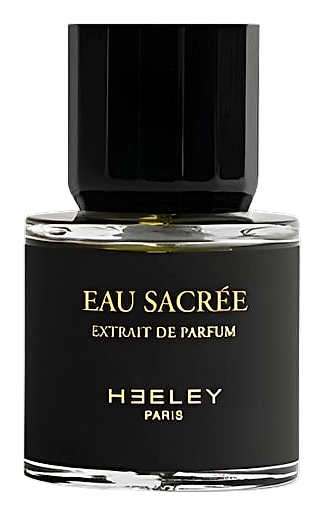
Eau Sacree arrived in 2016. The name, Sacred Water, carries its intention plainly. Not reverent in the nostalgic sense, but serene. A fragrance that asked what happens when the ceremony is over and only the scent remains. The composition opens with a resinous weight that arrives quickly, labdanum asserting itself within seconds and holding for the first thirty minutes like a breath held before speaking. As it develops, a rose appears quietly in the heart, adding a sweetness to the smoke that surprises on first encounter. It doesn't soften the composition so much as complicate it, a floral note that knows it doesn't quite belong but stays anyway. The frankincense carries through the middle stages, becoming dominant by the second hour, while the smoke gradually recedes and earthiness rises.
What makes the structure unusual is the progression: it opens with labdanum, a resin that carries the aromatic weight of liturgical incense without the harshness of smoke itself. Then it introduces rose into the heart, a move that risks undercutting the sacred register, making it pretty when it should be austere. The solution lies in the patchouli and myrrh that support it. These materials create a counterweight: the rose floats, but it never escapes. The incense stays. By the time the drydown arrives, the fragrance has become something quieter than it started, warmth replacing smoke, earth replacing air.
The evolution
The opening is resinous and arrives fast, labdanum announces itself within seconds and holds for the first thirty minutes like a held breath. If you're looking for a polite introduction, this isn't it. The rose appears mid-first hour, adding a quiet sweetness to the smoke that surprises on first wear. It doesn't soften the composition so much as complicate it, a floral note that knows it doesn't belong but stays anyway. The frankincense carries through the heart, dominant by the second hour, and the smoke gradually recedes as earthiness rises. As the composition shifts, myrrh and vetiver arrive to take over the drydown, replacing the earlier intensity with something warmer and more intimate. The smoke recedes. Earthiness rises. The myrrh and vetiver arrive late, and what lingers is warm, close, intimate, the kind of trace that lives on skin and fabric rather than in the air.
Cultural impact
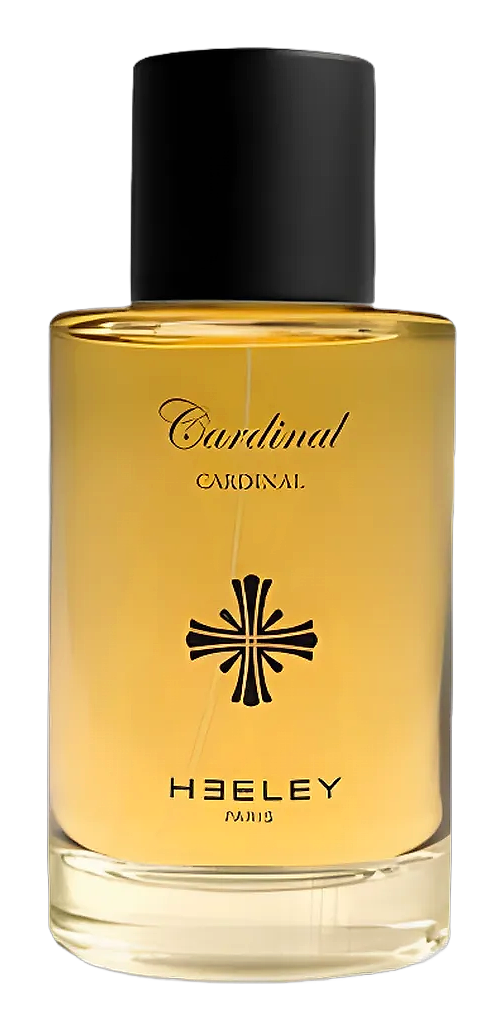
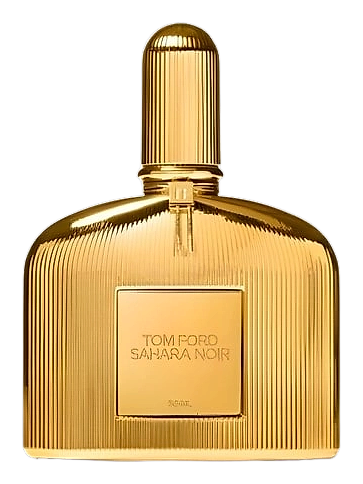
Eau Sacree occupies a specific position among incense-forward fragrances: it's liturgical without becoming costume, and wearable without becoming polite. The rose in the heart is what people talk about, the element that makes it approachable where comparable fragrances (Heeley's own Cardinal, Tom Ford's Sahara Noir) lean darker. The reception skews toward people who already know what they want from incense, it doesn't introduce the category so much as refine it.
The House
James HeeleyJames Heeley is a Paris-based independent perfume house founded in 2001 by British designer and perfumer James Heeley. As an owner-founder house operating outside the traditional luxury conglomerate structure, Heeley maintains complete creative control over every fragrance it produces. The collection reflects its founder's background in design and a persistent curiosity for natural forms, producing scents that often explore singular ingredients or unexpected material combinations. With a relatively compact catalog compared to larger niche houses, each release represents a deliberate creative statement rather than market expansion.
The Creator
James HeeleyJames Heeley gravitates toward clean, precisely structured compositions. His signature lies in this clarity, the way each element in a fragrance has room to breathe and speak.