The Story
Why it exists.
The beginning
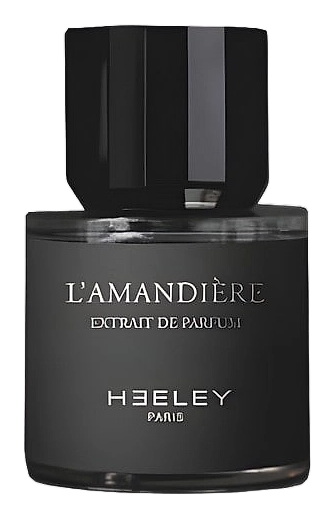
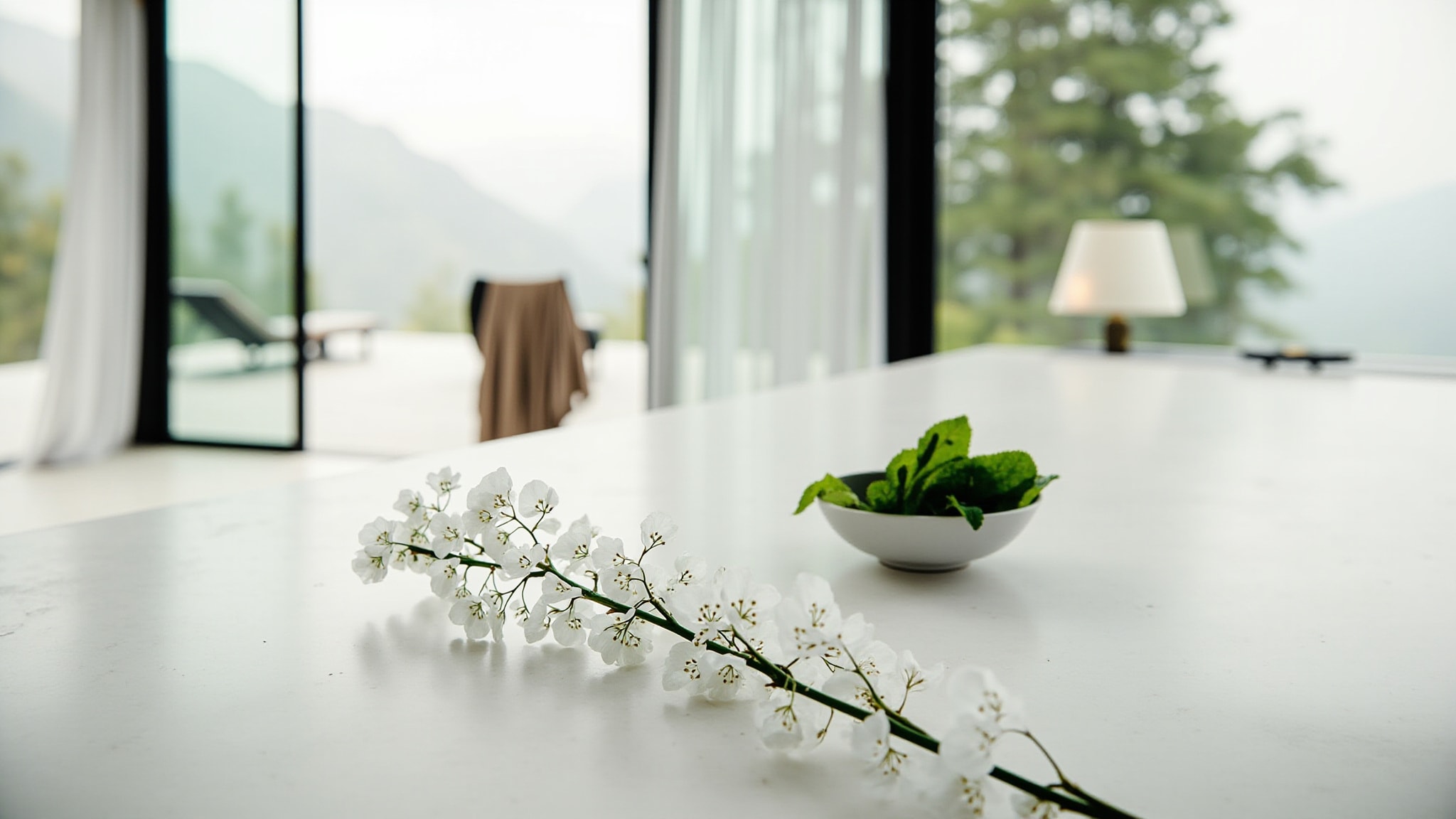
L'Amandiere takes its name from the French for an almond tree in blossom, the kind of orchard moment that happens once a year, early, before you expect it. James Heeley, working from his Paris studio, built this fragrance around that specific window: when green almond first appears, before the nut hardens, before the blossom fully opens. It's a spring fragrance for people who find spring slightly melancholy, beautiful but brief, and already ending as it begins. The name says orchard, but the scent says something more precise: the air five feet from the tree, not the ground beneath it.
What makes L'Amandiere unusual is the combination of green almond and mint at the opening, two materials that don't typically share space. Almond in perfumery usually reads sweet, lactonic, almost edible. Here it's green, almost vegetal, like stems rather than nuts. Mint acts as a corrective, cooling the green and keeping it from going soft. The heart brings hyacinth and linden blossom together, which is rare, hyacinth skews narcotic and dense, linden blossom is light and almost honeyed. They shouldn't balance, but they do. White musk in the base doesn't project; it whispers. The result is a fragrance that stays close to skin for hours, readable only at intimate range.
The evolution
The opening arrives in under a minute, green almond and mint together, cool and slightly astringent, like biting into a just-picked almond and then breathing cold air. Within fifteen minutes the mint retreats and the florals begin their slow assembly. Hyacinth asserts itself first, heady and white, then linden blossom softens the edges. Rose arrives last among the heart notes, quieter than you'd expect. The drydown takes its time. White musk doesn't arrive so much as settle, skin-warm, intimate, the kind of presence you only notice when you're close enough to touch. On most skin types, this lasts six to eight hours, with the final third becoming almost imperceptible unless someone leans in.
Cultural impact
L'Amandiere arrived during a shift in niche perfumery when independent houses began challenging the maximalist trends of the 2000s. James Heeley, with his background in design, built the fragrance around a singular concept rather than complexity for its own sake. The green almond note, unusual in mainstream perfumery, positioned the scent as a study in botanical precision rather than gourmand indulgence. Its quiet character reflects the same restraint seen in minimalist design of the period. The fragrance has remained in continuous production since 2011, unusual for an indie house, suggesting sustained demand from those seeking alternatives to louder compositions.