Green almond
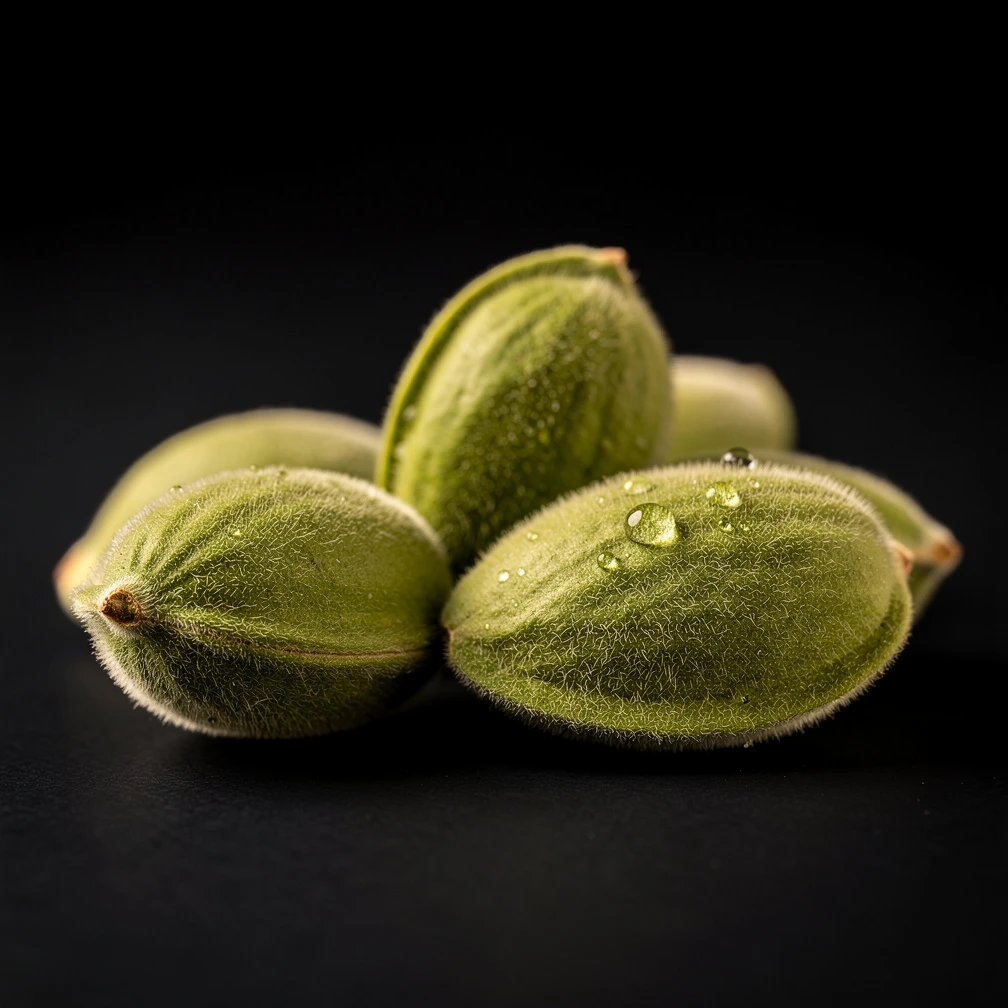
Green almond is the unripe stage of the Prunus dulcis fruit, harvested before the shell hardens. In perfumery it delivers a fresh, green, slightly bitter aroma distinct from the sweet marzipan character of mature almonds. It acts as a bridging note, adding natural crispness and vegetable-like nuance to compositions that require a verdant, youthful quality.
Character
How it smells
The fresh, bitter greenness of an unripe almond before sweetness takes hold
Green almond was historically eaten as a seasonal delicacy in Mediterranean orchards, prized for its crisp texture and quenching bitterness long before perfumers recognized its aromatic value.






Origin
Iran
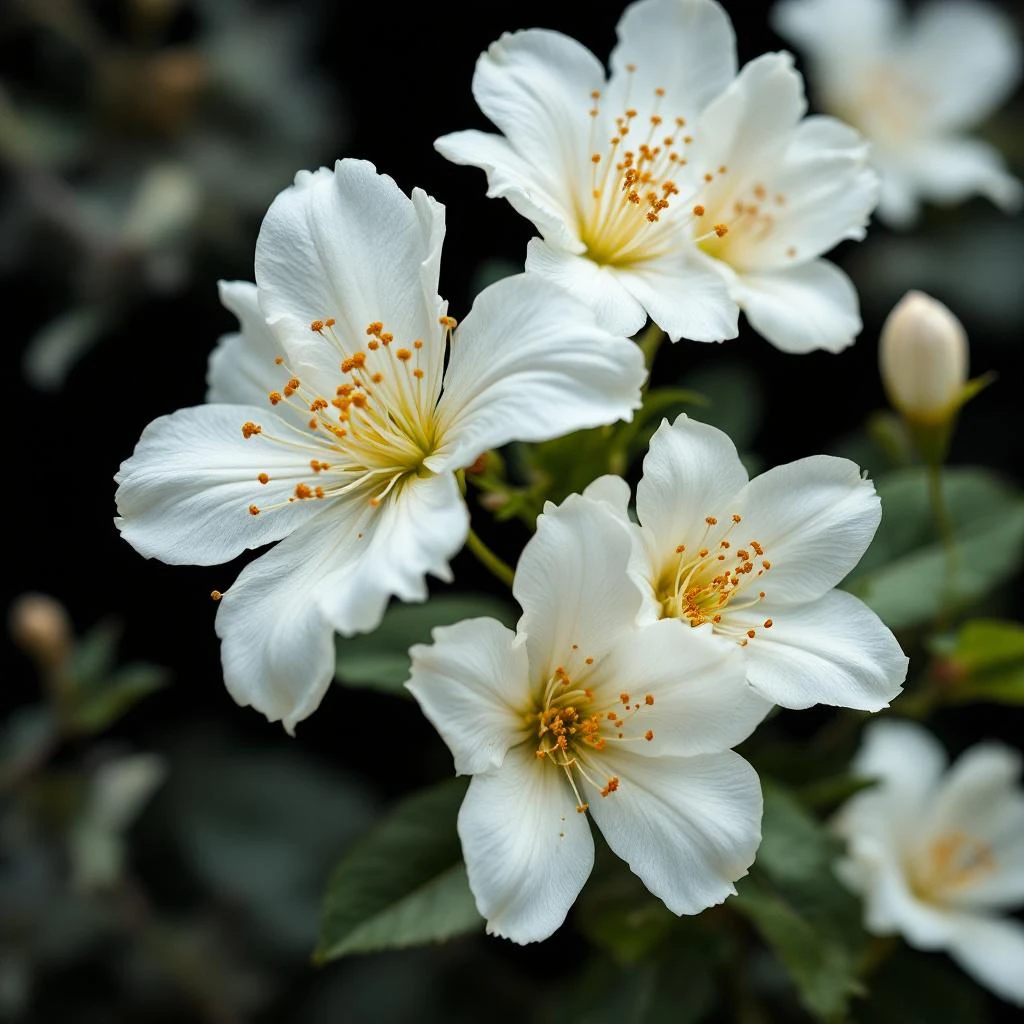
The almond tree (Prunus dulcis) originated in the Middle East and has been cultivated for over 4,000 years, appearing in ancient texts from Mesopotamia and Egypt. The green, unripe stage of the fruit was consumed as a seasonal treat across the Mediterranean, valued for its refreshing bitterness during hot summer months.
While ancient perfumers favored bitter almond oil derived from apricot kernels, the specific aromatic use of green almond emerged much later as modern perfumery sought to expand its palette of natural green notes. The ingredient gained recognition in the late twentieth century as niche and natural perfumery movements revived interest in unusual botanical materials, positioning green almond as a distinctive, avant-garde note for compositions seeking authentic botanical character.
Wears it best
Fragrances featuring Green almond
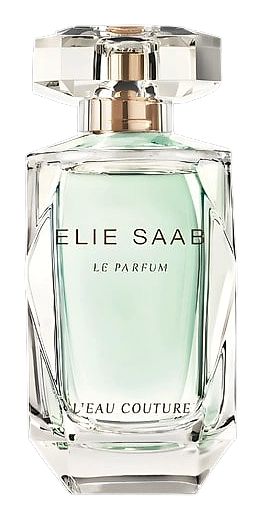
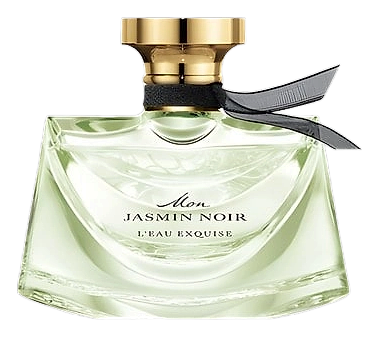
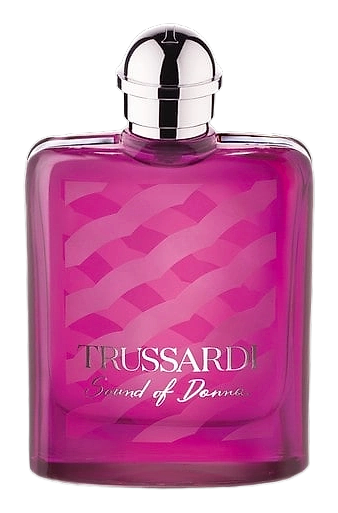
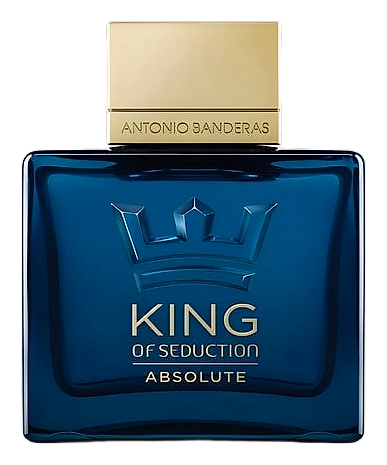
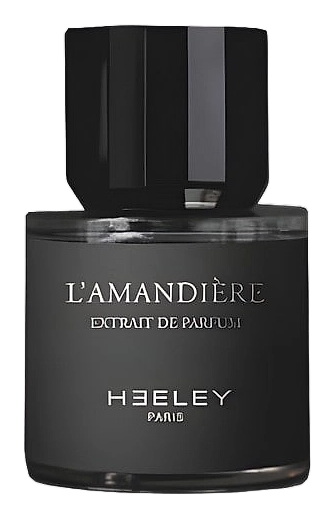
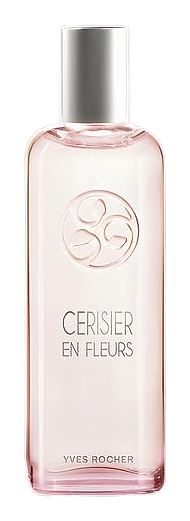
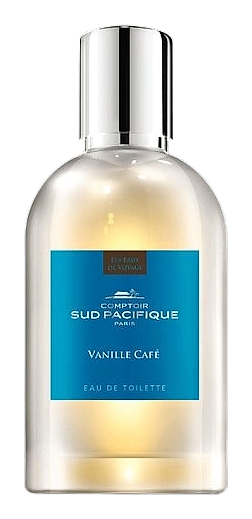
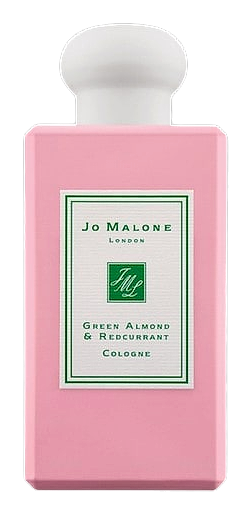
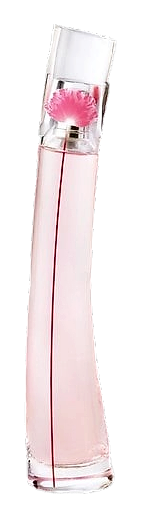
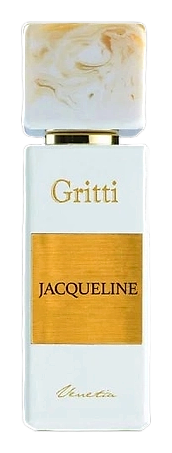
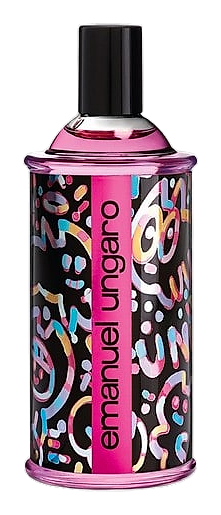
Brands
Brands known for Green almond
Good to know
Questions, answered
The essentials on Green almond in perfumery: how it smells, where it comes from, and how it behaves on skin.
What does Green almond smell like in perfume?
Green almond delivers a fresh, vegetal, slightly bitter aroma that differs sharply from sweet marzipan. It smells like the crisp interior of an unripe nut, bringing natural greenness and a quenching, bitter edge that lifts floral and fruity compositions.
Why is Green almond used in perfumery?
Green almond adds a rare green-bitter dimension that few ingredients provide. Perfumers use it to create natural-sounding freshness without the typical aquatic or ozonic synthetics, and to introduce nuance in chypre, floral, and avant-garde compositions.
Is Green almond in perfume natural or synthetic?
Natural green almond extract is derived via cold pressing or hydrodistillation of immature kernels. Synthetic recreations use benzaldehyde, heliotropin, and coumarin to approximate the green-bitter character, often combined with other green materials to complete the accord.
What famous perfumes contain Green almond?
Green almond is most commonly found in niche and artisanal fragrances rather than mass-market classics. It appears in natural perfumery lines and high-concept releases from houses such as April Aromatics and Atelier des Ors, where its unusual character serves as a signature note.
Is Green almond a top note, heart note, or base note?
Green almond functions primarily as a heart-to-top transitional note, making an appearance in the early development of a fragrance and fading within the first hour. Its fresh, green character opens compositions before the heart and base notes emerge.
What notes pair well with Green almond in perfume?
Green almond pairs naturally with citrus, galbanum, mint, and other green notes. Its bitter edge also complements apricot, osmanthus, iris root, and ambrette seed, creating complex fruity-floral compositions with a natural, botanical character.
How is Green almond extracted?
The unripe kernels are cold pressed to extract the aromatic oil, or hydrodistilled to capture the volatile aromatic compounds. Both methods preserve the green, bitter character of the immature almond, yielding a material that differs significantly from standard sweet almond oil produced from mature kernels.
Is Green almond used in men's or women's fragrances?
Green almond is gender-neutral by nature. Its crisp, bitter, and vegetal qualities appeal across the fragrance spectrum, appearing in both masculine and feminine compositions, though it tends to feature more prominently in unisex niche and natural perfume lines.