
The Story
Why it exists.
The beginning
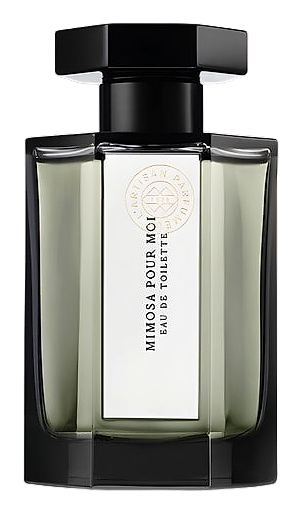
Mimosa is a personal flower. It blooms in dense yellow clusters, intensely sweet, almost edible, the kind of thing you bend toward in a garden and think: I want this to exist only for me. That's the idea behind Mimosa Pour Moi. Anne Flipo built the fragrance around the mimosa's most intimate qualities, not its brightness or its shout, but its closeness. The green ozonic opening keeps things airy and close to the skin. The powdery yellow floral heart lingers where it was placed. The warm vanilla and musk base doesn't project across a room. It stays where you can find it. Pour moi, for myself. The name says everything.
What makes this composition unusual is the realism of the mimosa. Rather than a synthetic recreation, the mimosa note gives a buttery, true-to-nature yellow floral that smells like the actual bloom, not a perfume approximation of it. The heliotrope and vanilla introduce a soft sweetness that tempers the green opening without overwhelming it. Cedarwood and musk form a skin-like base that's warm without being heavy. The result is a fragrance that smells like mimosa in a vase on a windowsill, close, domestic, slightly powdery. Not a statement. A companion.
The evolution
The opening arrives crisp and ozonic, violet leaf and blackcurrant bud create a green, slightly aquatic lift that feels like morning air. The mimosa doesn't rush. It arrives quietly, creamy and powdery, asserting itself as the heart settles in. The hawthorn deepens the floral without adding weight. Then the drydown: vanilla and musk warm the composition, cedarwood giving it structure. The sillage stays intimate, moderate, close, the kind that requires proximity to notice. As the hours pass, the fragrance evolves gently on the skin, with the powdery floral heart lingering longest before the musk and vanilla settle into a quiet, skin-like warmth that remains close to the body throughout the wear.
Cultural impact
Mimosa Pour Moi arrived in 1992 and became popular among those who appreciate restraint over projection. The intimate sillage and moderate longevity appeal to wearers who want a fragrance that rewards proximity rather than announcing itself. It's the kind of scent that someone close enough will ask about.
The House
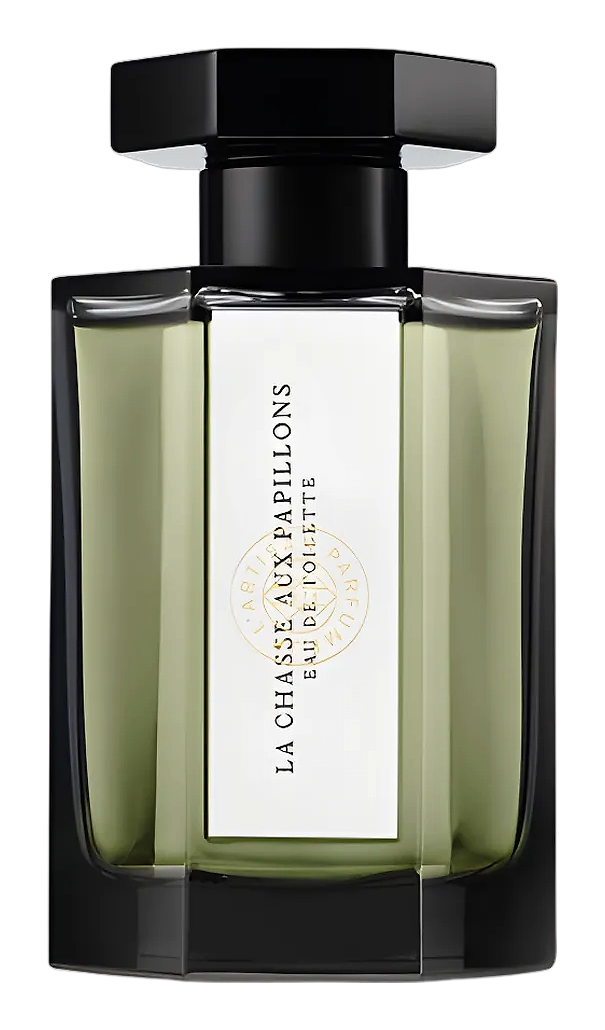
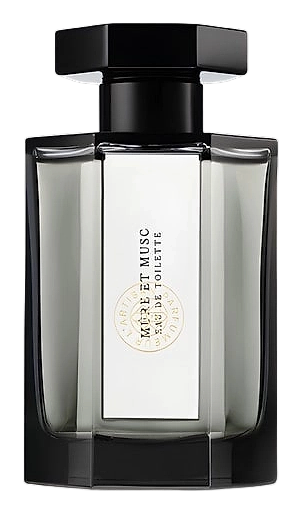
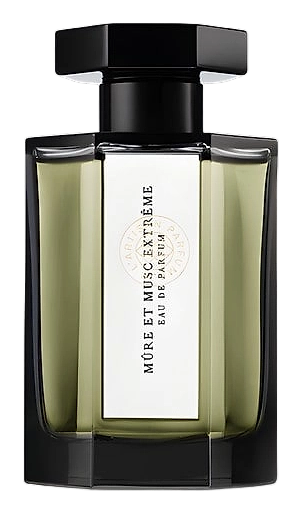
L'Artisan ParfumeurL'Artisan Parfumeur arrived in 1976 with a quietly radical idea: perfume should feel personal, not mass-produced. Founded by chemist Jean Laporte in Paris, the house became one of the first true niche fragrance houses, championing natural ingredients and artisanal craft at a time when blockbuster launches dominated the market. Its Mûre et Musc, launched in 1978, paired blackberry and musk in a way no one had attempted before, and it became a sensation. Over nearly five decades, the house has continued to create unusual fragrances with distinguished noses, never following trends but trusting instead in beautiful materials and imaginative composition.
The Creator
Anne FlipoOrange blossom defines Flipo's olfactive signature more than any other material. She has worked with neroli and orange flower absolute across dozens of compositions, finding infinite variation within this single note.