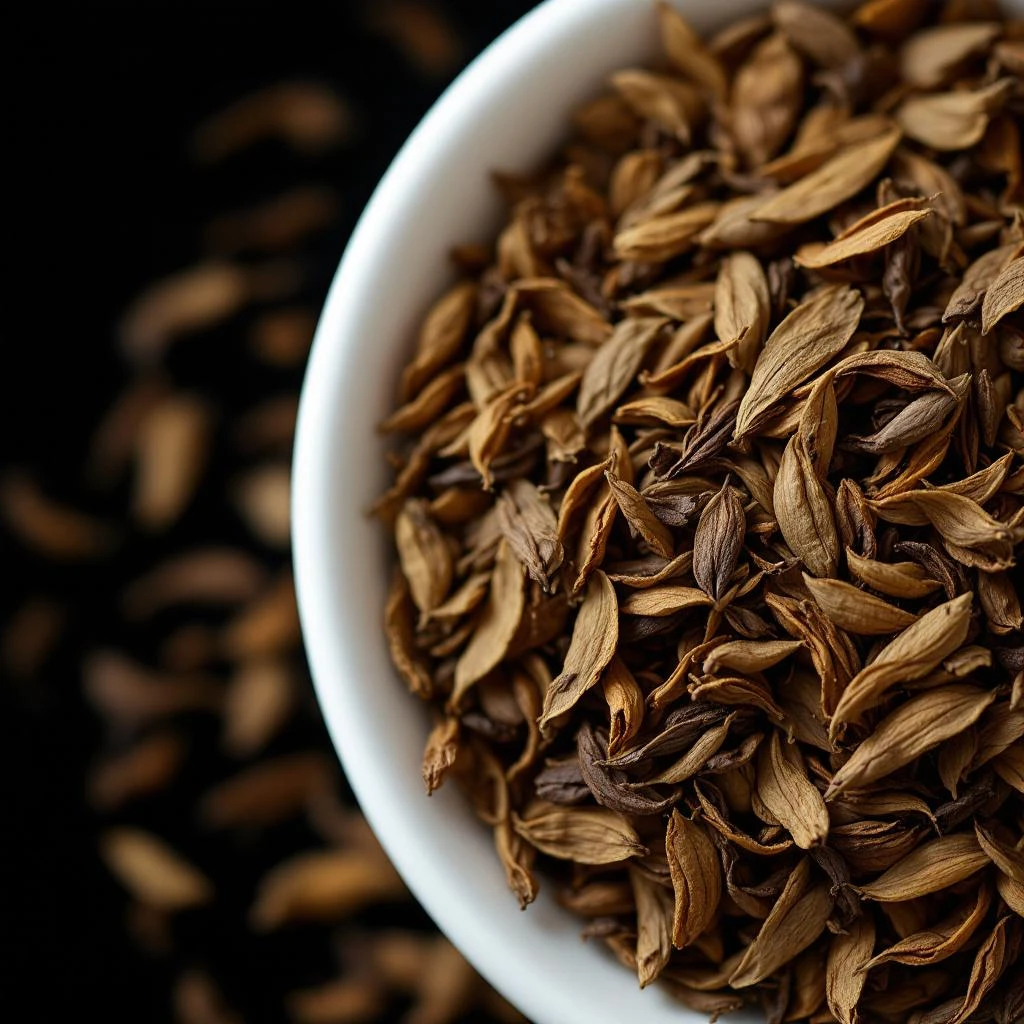
Acacia Leaf
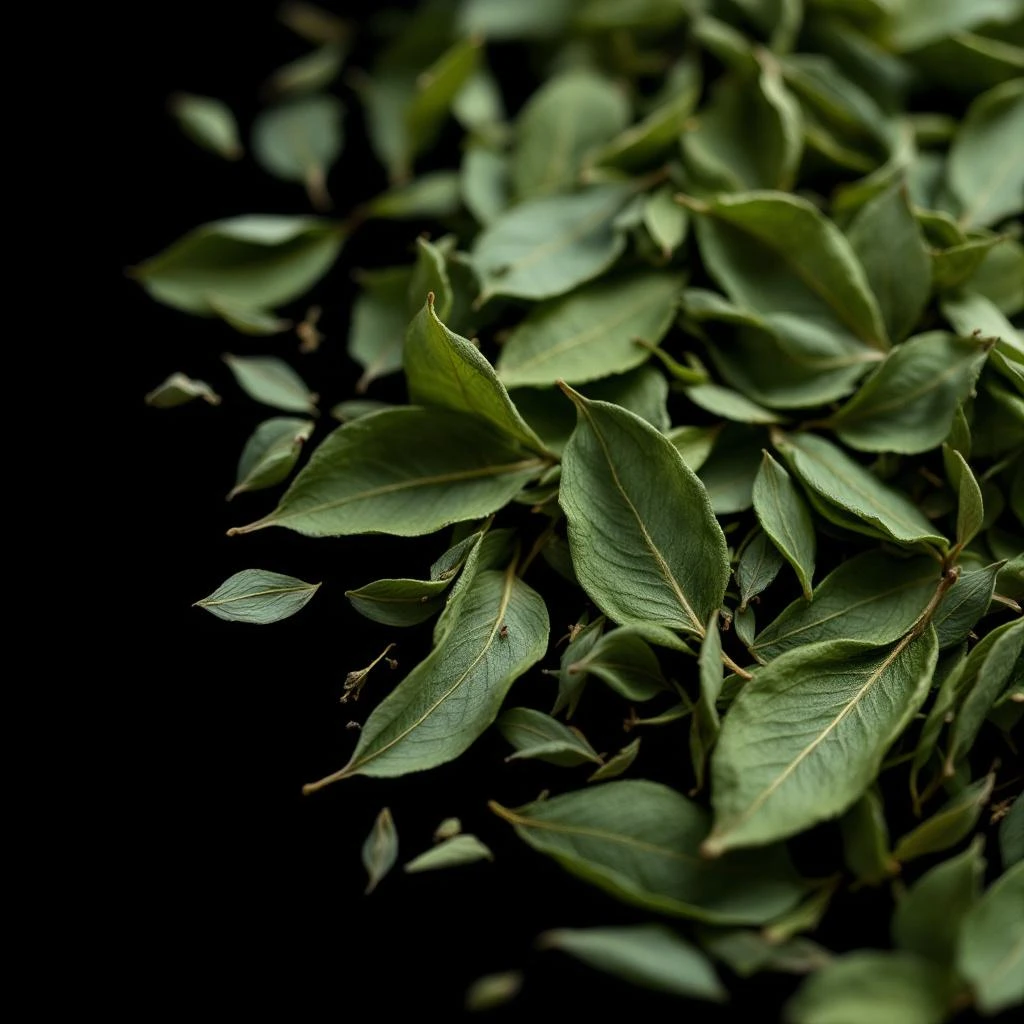
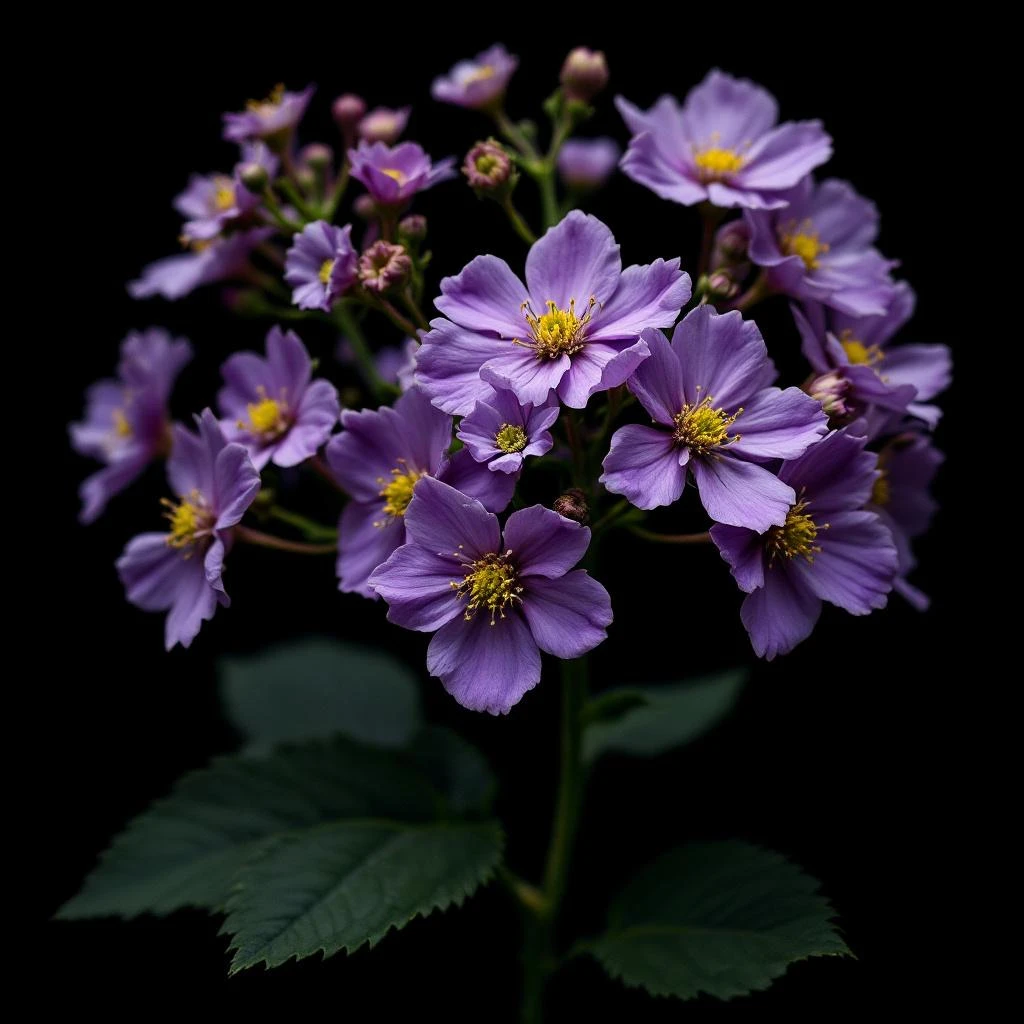
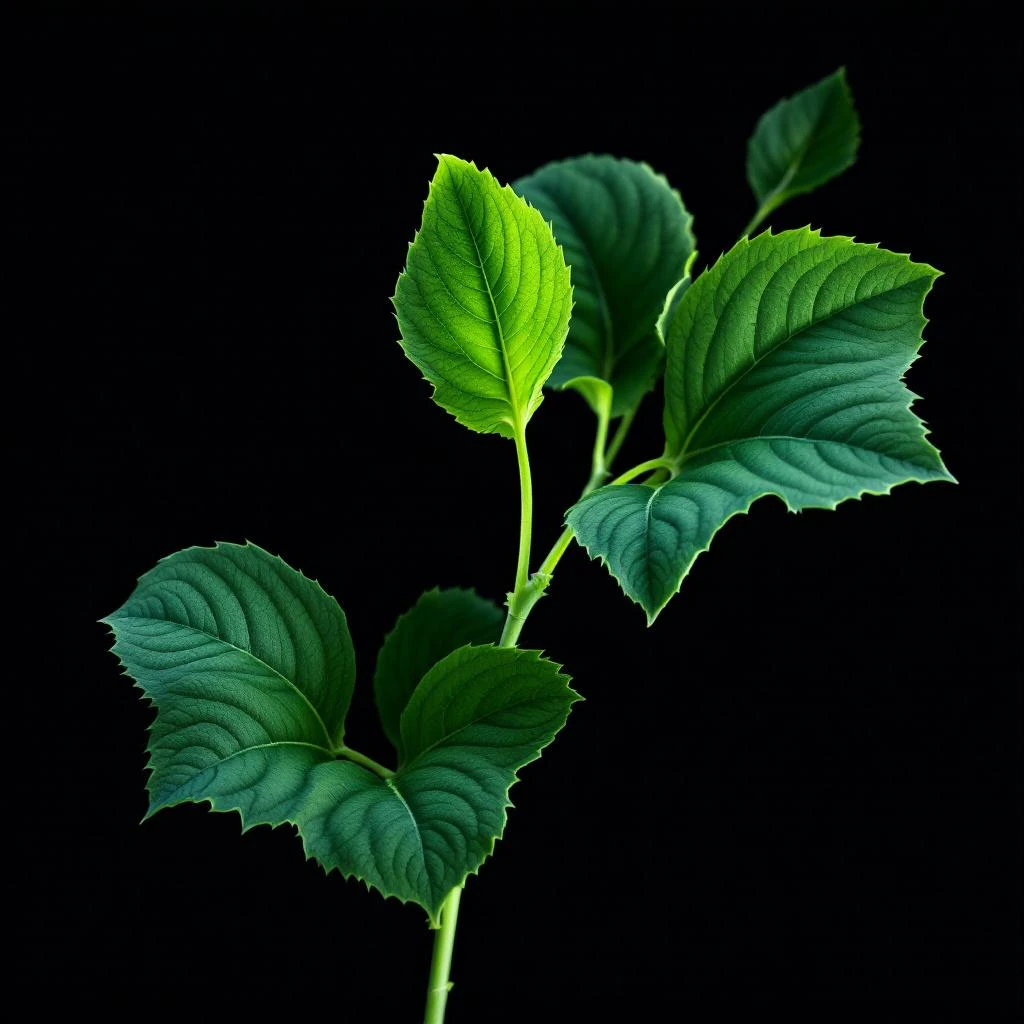
Acacia leaf absolute is a rare, labor-intensive green note prized in classical perfumery. Steam-distilled from the fresh leaves of Acacia farnesiana, it delivers a bright, dewy, slightly citrusy character that lifts floral and chypre compositions.
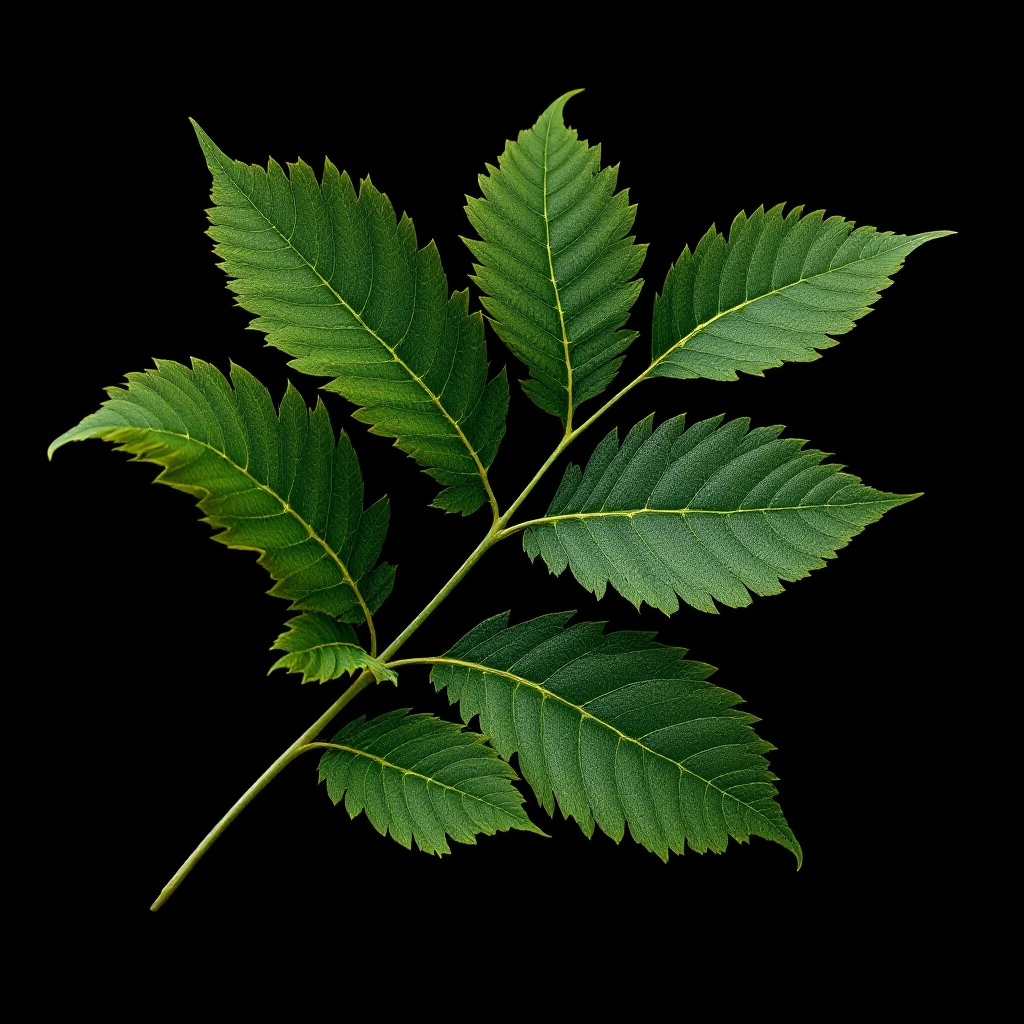
Character
How it smells
The vanishing green note of classic perfumery.
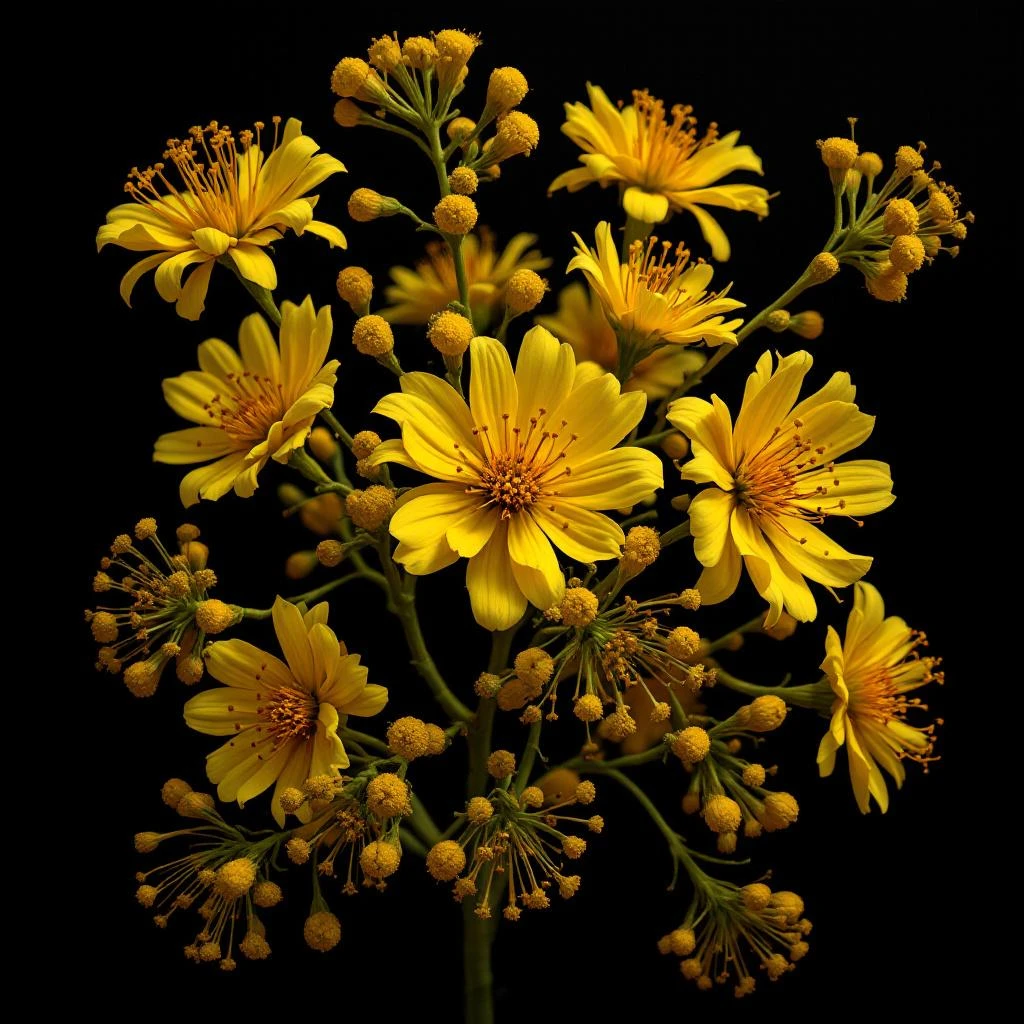
Cassie absolute was once used by ancient Egyptians in mummification rituals; today it appears in only a handful of luxury fragrances, making it one of perfumery's rarest materials.



Origin
Egypt
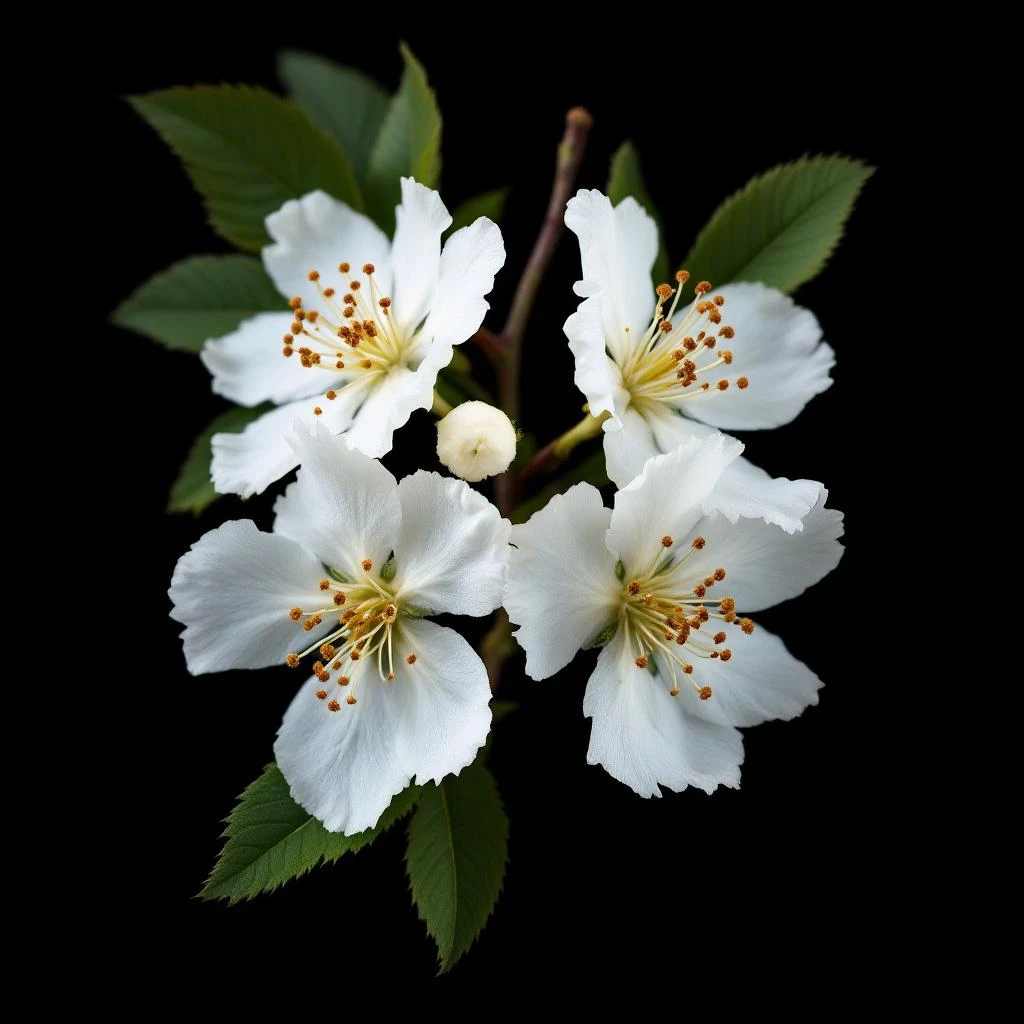
The acacia tree held sacred status in ancient Egypt, where priests first extracted fragrant preparations from its blossoms and leaves for religious ceremonies and burial rites. By the Middle Ages, Egyptian perfumers had refined techniques that spread across the Mediterranean via trade routes to Morocco, Tunisia, and the Arabian Peninsula.
European perfumers encountered acacia absolute during the colonial era and began incorporating it into chypre and fougere compositions in the nineteenth century. The rise of synthetic aromatics in the twentieth century displaced most natural acacia leaf materials from mainstream perfumery, relegating this ingredient to vintage formulas and rare artisanal releases.
Wears it best
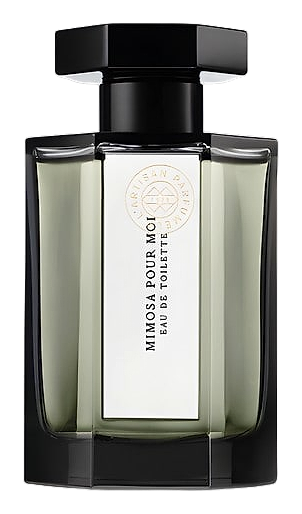
Fragrances featuring Acacia Leaf
Brands
Brands known for Acacia Leaf
Good to know
Questions, answered
The essentials on Acacia Leaf in perfumery: how it smells, where it comes from, and how it behaves on skin.
What is acacia leaf absolute in perfumery?
Acacia leaf absolute is a natural aromatic material produced by steam distilling the fresh leaves and flowering tops of Acacia farnesiana. It differs from the more common cassie absolute, which comes from the flowers alone. The result is a bright green note with citrus and subtle floral facets.
What does acacia leaf smell like?
The scent profile centers on freshly cut grass and green citrus, with underlying sweet-floral tones reminiscent of hay and honeysuckle. It conveys a dewy, just-rained quality that makes compositions feel natural and sunlit.
Where does acacia leaf used in perfumery come from?
Acacia farnesiana grows across arid and subtropical regions globally, but the perfume industry sources its acacia leaf material primarily from North Africa and the eastern Mediterranean. Egypt, Morocco, and Tunisia are the leading producing countries.
Is acacia leaf absolute natural or synthetic?
True acacia leaf absolute is a natural material, though its scarcity means some modern fragrances use a synthetic recreation of its green aroma profile. High-end and artisanal perfumery still seeks the genuine article for its complexity.
Which fragrance families use acacia leaf absolute?
It appears most often in chypre and fougere constructions, where it provides a natural-green lift to citrus top notes and anchors the fragrance against heavier base materials like oakmoss and labdanum.
What does acacia leaf pair well with in a fragrance composition?
It combines naturally with citrus oils, galbanum, bergamot, and other green materials. In chypre structures it works alongside oakmoss, rose absolute, and coumarin to build depth without heaviness.
How long does the acacia leaf note last on skin?
As a top-to-heart note, acacia leaf projects strongly for the first 30 minutes to 1 hour, then recedes into the dry-down where its green character continues to shape the overall composition.
Why is acacia leaf considered rare in modern perfumery?
Hand-harvesting, low yield per kilogram of leaves, and the brief harvest window make acacia leaf absolute costly and labor-intensive to produce. Only a handful of Houses continue to use it, mostly in heritage or niche formulas.