
The Story
Why it exists.
The beginning
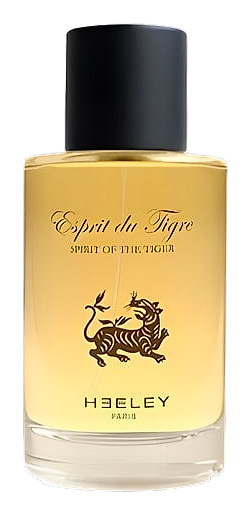
The name says it plainly: Esprit du Tigre draws from an ancient Chinese remedy of camphor, mint, and warming spices. Released in 2006, James Heeley had been running his Paris house for five years when he created this, working outside the structure of larger luxury groups, building each fragrance to its own logic. The brief was simple: take something cold, something mentholated and medicinal, and find where it goes when the heat arrives. Heeley's background in design meant the composition was approached like a problem, how do you build a coherent arc from sharp opening to warm finish without either side winning too early? The answer was in the spices: clove, cardamom, black pepper. And in the base: vetiver, cinnamon. Not for everyone. But exactly right for someone.
What makes Esprit du Tigre interesting is the structural honesty. The camphor isn't hiding anything, it's the point. Most fragrances ease you in with something approachable before revealing complexity. This one announces itself with menthol and mint, then earns the warmth that follows. The heart of clove and cardamom does the work of reconciliation: the cool opening becomes friendly, then intimate, as the spices take over. By the time vetiver and cinnamon arrive in the drydown, the journey from cold to warm feels inevitable rather than surprising. James Heeley's designer's instinct shows here, restraint used as a tool, not an absence. Six notes across three stages.
The evolution
The opening hits cold and clean. Camphor and mint create that mentholated shock, like walking into a room that's been kept cool, or the first breath of Tiger Balm. It lasts fifteen, maybe twenty minutes before the shift begins. Then the warmth arrives. Clove and cardamom step forward, followed by black pepper that adds a dry, clean heat. For the next two or three hours, the fragrance lives in this middle zone, not cool anymore, not quite warm, but moving steadily toward spice. The hand-off happens gradually. By hour four, the camphor has faded to a memory, and vetiver with cinnamon take over. The vetiver adds an earthy, slightly smoky quality. The cinnamon is sweet and aromatic. Together they create a base that lasts well into the evening, 6 to 8 hours on most skin. On fabric, it stays close, almost intimate. Not a room-filler, but something you notice when you lean in.
Cultural impact
Since 2006, Esprit du Tigre has occupied a specific corner of niche perfumery, the camphor fragrance for people who don't want the usual aquatic or fresh citrus structure. The camphor opening is a deliberate statement: this isn't trying to be everything to everyone. Among independent fragrance collectors, that kind of specificity has its audience. The fragrance continues to find people who appreciate its clean-to-warm arc, particularly those drawn to the mentholated opening that most mainstream releases avoid entirely.