
The Story
Why it exists.
The beginning
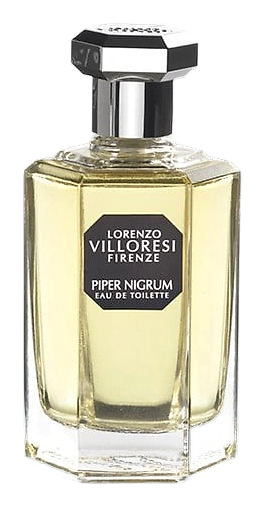
Piper Nigrum was Lorenzo Villoresi's 1999 answer to something he understood deeply: that black pepper, the world's most traveled spice, carries more than heat. It carries history. The fragrance takes its name from the Latin Piper nigrum, black pepper, but the concept runs wider. This is the scent of the desert wind moving across the trade routes that once moved precious aromatics from east to west. Villoresi spent years traversing those regions, and the composition channels that motion, the way caravans would pick up and set down scents as landscapes changed. Fresh citrus and mint for the open air. Spices for the bazaars. Resinous woods for the campfires at night. It is autobiography disguised as geography, or geography that reads like autobiography. The result is a fragrance that moves.
What makes Piper Nigrum work is its structural honesty. Most spicy fragrances lean either fresh or warm, here the two exist in constant tension. The top opens bright and almost medicinal: mint and star anise cutting through, aniseed's cool green clarity dominating. No sweetness. No softness. The herbs are present too, fennel and dill adding a savory quality that most Western noses read as unfamiliar but intriguing. Then the composition hands off to the spice heart, black pepper and clove taking over, rosemary lending its dry, aromatic character. The transition feels less like progression and more like arrival.
The evolution
The opening announces itself within seconds. Mint hits first, bright and almost astringent, followed quickly by star anise and a lift of citrus. It reads as cool, not cold, but the cool of stone in shade rather than air conditioning. The aniseed is the first real signal that this is not a conventional fragrance. Green, slightly medicinal, distinctly aromatic. Not everyone lands here comfortably. The heart takes its time arriving, black pepper emerges gradually over the first twenty minutes, joined by clove and rosemary. The spices do not overwhelm the green clarity from the opening so much as they coexist with it. Rosemary is the bridge, dry and herbal, linking the cool top to the warming heart. As the fragrance moves into its second and third hours, frankincense begins to assert itself, not the heavy liturgical kind, but a resinous warmth that deepens the composition. The drydown is where Piper Nigrum reveals its patience. Benzoin and myrrh arrive quietly, settling into cedar and amber without drama.
Cultural impact
Piper Nigrum occupies a particular space in the niche fragrance landscape: aromatic enough to appeal to the herb-and-spice crowd, warm enough in its drydown to attract resin lovers, but with enough contrast between its cool opening and resinous base to hold its own in a crowded market. It is a wearer's fragrance, the kind that earns its reputation person to person rather than through visibility or hype. Since 1999 it has remained in continuous production, which says something about the relationship between the composition and the people who return to it.