Clove Leaf
Clove leaf oil carries the warm, aromatic intensity of the spice in concentrated form. Extracted from the plant's foliage rather than its prized buds, this oil delivers a bold, spicy-eugenolic character that perfumers employ to inject depth and warmth into fragrance compositions.
Character
How it smells
Bold, warm spice from tropical foliage.
Clove leaf oil contains higher levels of eugenol than bud oil, sometimes reaching 95%, giving it an even more intense aromatic punch.








Origin
Indonesia
The clove tree originated in the Molucca Islands of Indonesia, historically called the Spice Islands, where it shaped global trade for centuries. Ancient traders valued cloves as highly as gold, spurring European exploration and colonial competition across Southeast Asia.
Dutch colonizers implemented brutal monopoly practices in the 17th century, destroying clove trees outside their control to maintain pricing power. The spice eventually spread to Madagascar, Tanzania, and the Philippines through cultivation programs.
While the flower buds commanded the highest value in the spice trade, people discovered that the leaves also contained abundant aromatic oils, making use of the entire plant. This byproduct became significant in perfumery during the 20th century when cost-conscious formulators sought the intense eugenol profile found in leaf oil.
Wears it best
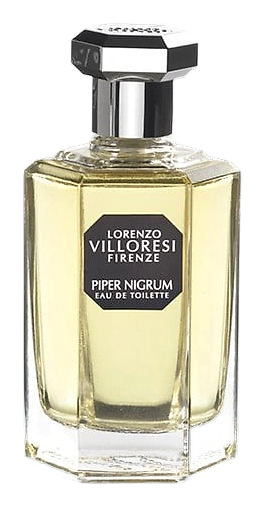
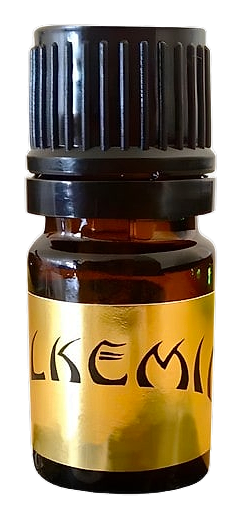
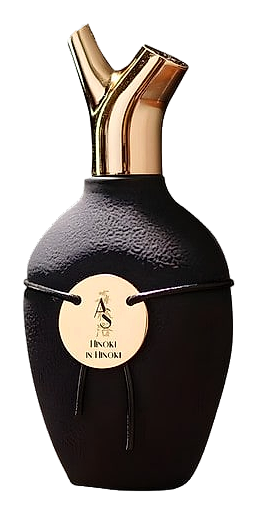
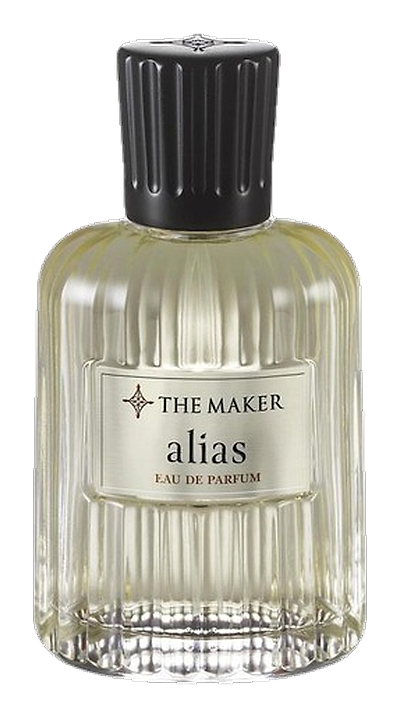
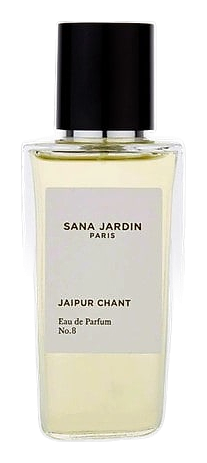
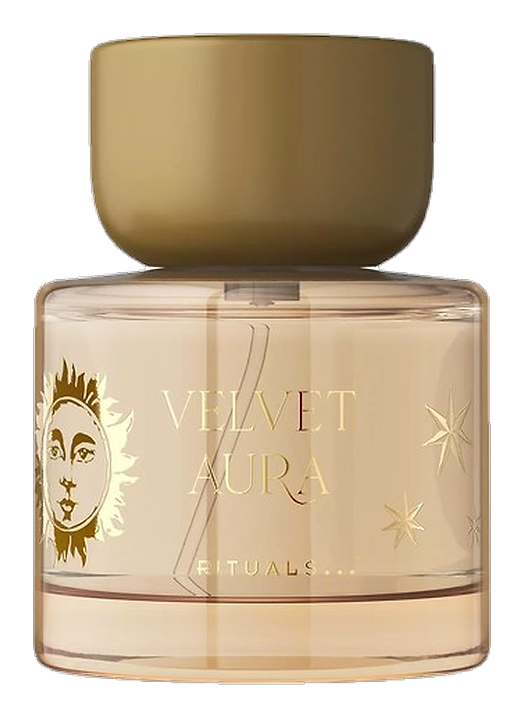
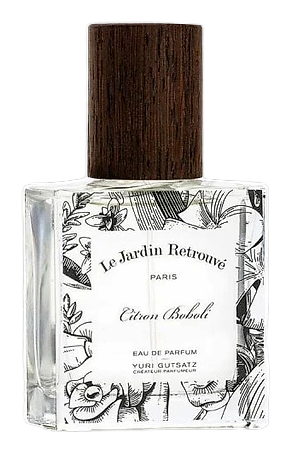
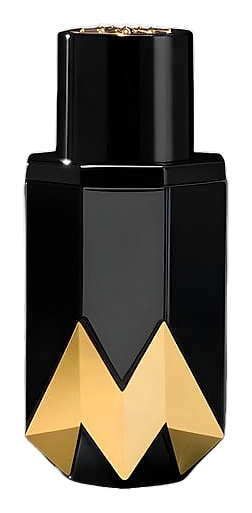
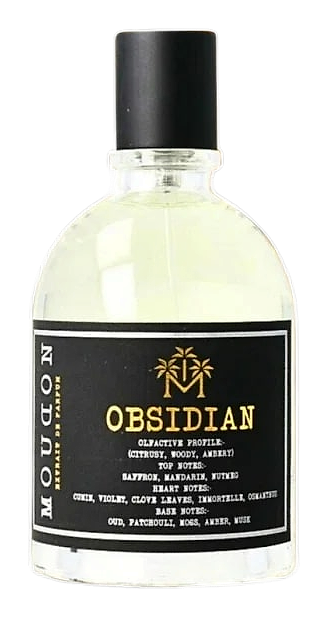
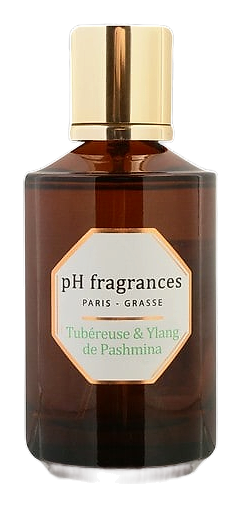
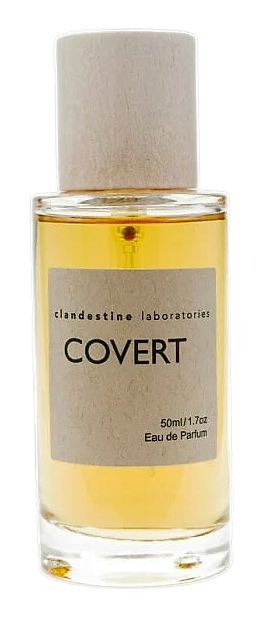
Fragrances featuring Clove Leaf

Brands
Brands known for Clove Leaf
Good to know
Questions, answered
The essentials on Clove Leaf in perfumery: how it smells, where it comes from, and how it behaves on skin.
What does clove leaf oil smell like?
Clove leaf oil has a warm, intensely spicy aroma with strong eugenol character. It smells like ground cloves but sharper and more medicinal than the sweeter bud oil. The scent is bold, aromatic, and carries a distinct burning-spice quality.
How is clove leaf oil different from clove bud oil?
Clove leaf oil comes from the tree's foliage rather than its flower buds. Leaf oil typically contains higher eugenol concentration and has a sharper, slightly rougher aroma compared to the smoother, sweeter bud oil.
What fragrance families use clove leaf oil?
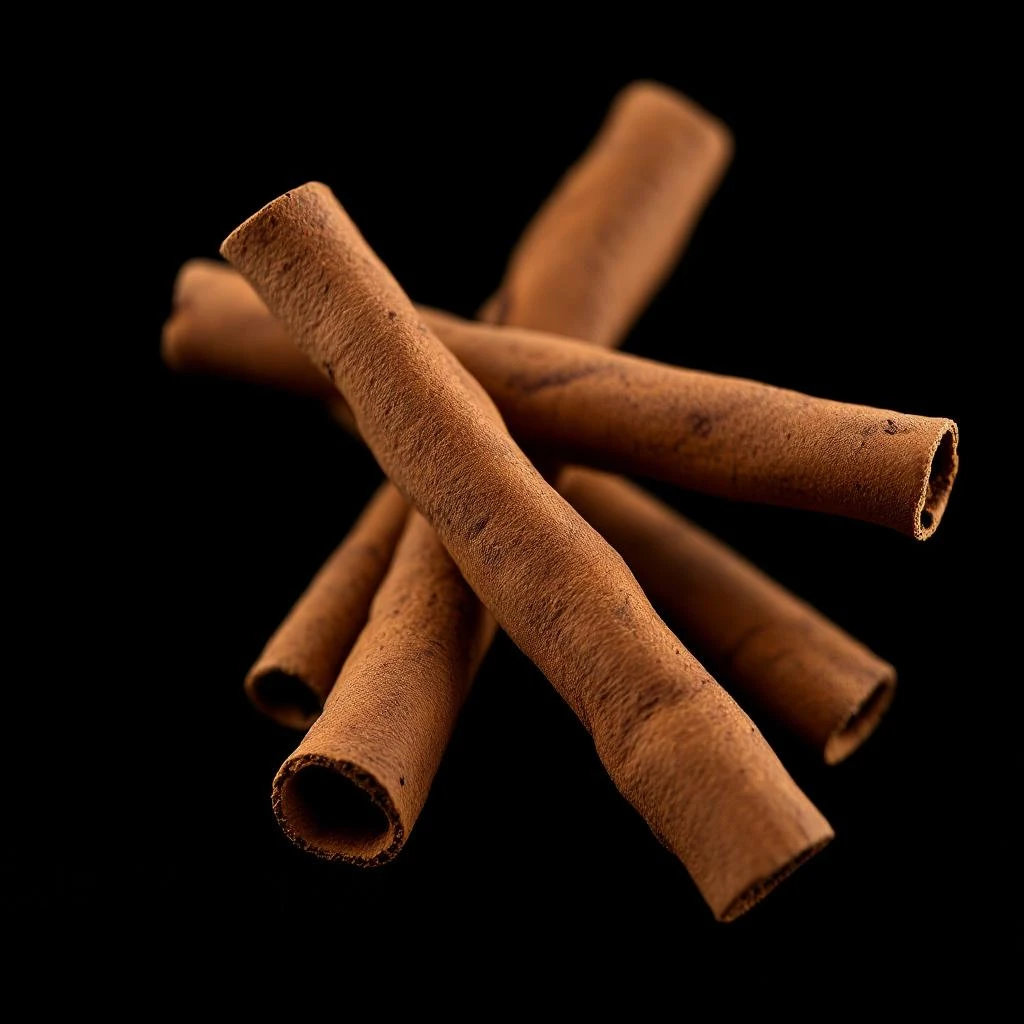
Clove leaf oil appears mainly in oriental and spicy fragrance families. Perfumers use it to add warmth and depth to compositions featuring amber, vanilla, woods, and other spices like cinnamon or pepper.
Is clove leaf oil safe for skin application?
Clove leaf oil requires careful dilution. Its high eugenol content can cause skin sensitization at concentrations above 0.5%. IFRA limits its use in consumer products, and formulations should follow regulatory guidelines.
What is the eugenol content in clove leaf oil?
Clove leaf oil typically contains 70 to 95 percent eugenol, depending on the source and distillation conditions. This high concentration distinguishes it from bud oil, which usually maxes out around 85 percent.
Can clove leaf oil be blended with other spices?
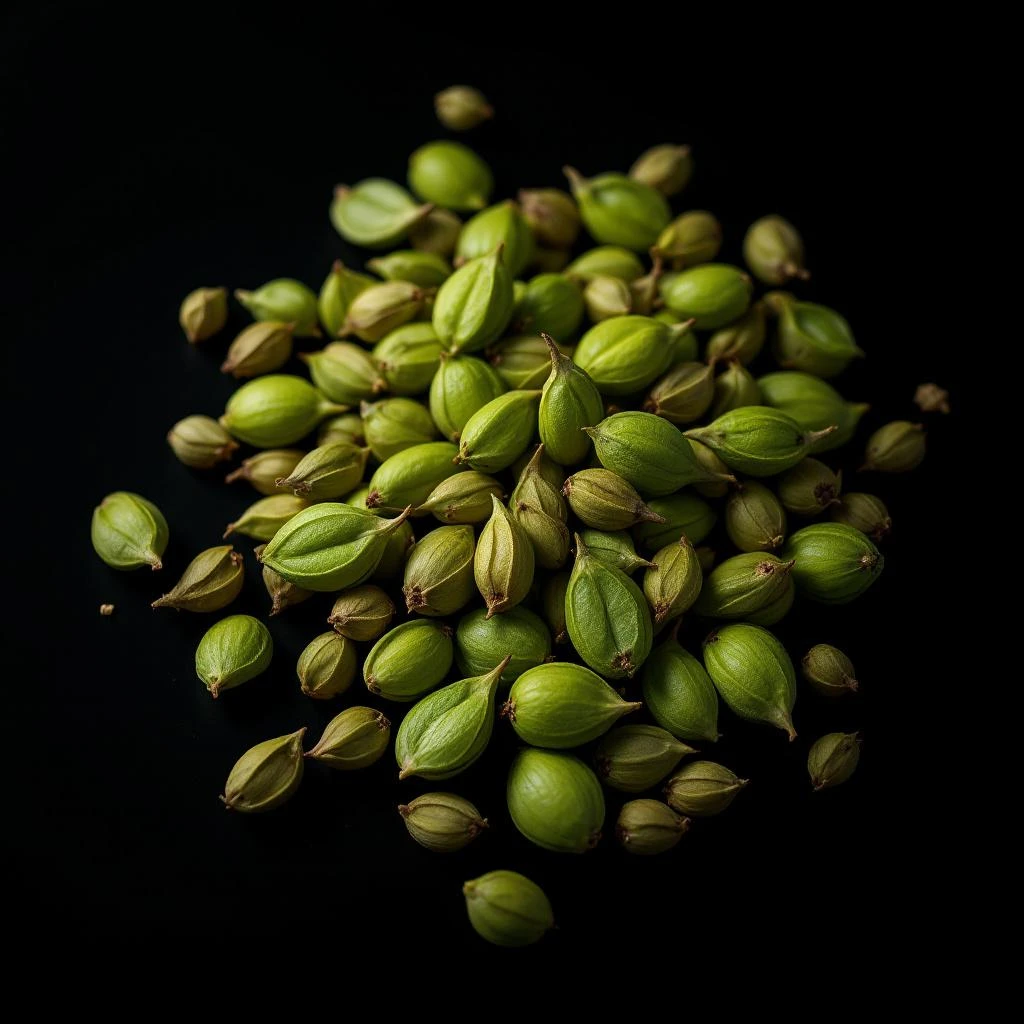
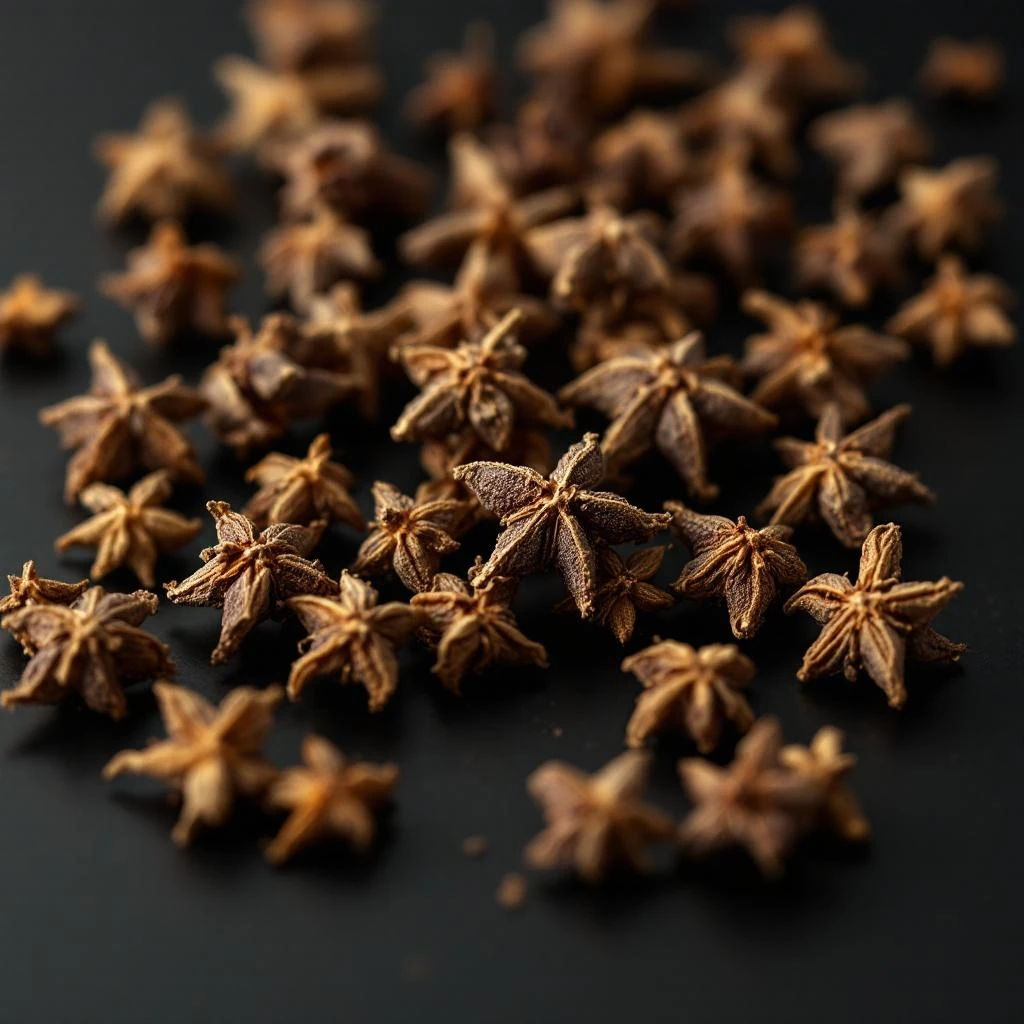
Clove leaf oil pairs well with cinnamon bark, nutmeg, vanilla, and star anise. It also combines effectively with woody notes like sandalwood and cedarwood, and with warm amber bases.
Where does commercial clove leaf oil come from?
Indonesia remains the primary source, particularly the Maluku Islands where the plant is native. Madagascar and Tanzania also produce significant quantities through established cultivation programs.
Does clove leaf oil have seasonal availability?
Clove leaf oil does not face seasonal shortages like some botanicals. Producers can harvest leaves year-round from mature trees, making supply relatively consistent. Prices fluctuate based on agricultural yields and demand.